Planting Succulents in Shells: A Unique & Easy Guide
Planting succulents in shells offers a unique and visually arresting way to bring life to any space, transforming a discarded treasure from the sea into a vibrant living sculpture. This practice marries the effortless beauty of desert plants with the organic elegance of marine elements, creating a low-maintenance yet high-impact display. The natural curvature and texture of shells provide an exceptional contrast to the smooth, fleshy leaves of succulents, resulting in a piece that feels both whimsical and sophisticated.
The Allure of Shell Gardens
The primary appeal of using shells as a succulent vessel lies in its ability to inject a distinct sense of place and character into your home decor. Unlike standard terracotta or ceramic pots, a shell carries an inherent story, evoking sunny beaches and tranquil coastlines. This biophilic design element introduces a tactile, natural element that immediately draws the eye and calms the mind. It is an accessible project for beginners, requiring minimal specialized tools while delivering a finish that rivals high-end artisan crafts.
Selecting the Ideal Shell
Choosing the right shell is the foundational step in creating a successful miniature garden. You should look for a shell with a wide, open aperture and relatively thick walls to ensure stability and adequate drainage. Conch shells are a popular choice due to their dramatic flair, while scallop shells offer a more delicate, shallow bowl perfect for tiny arrangements. Avoid shells with excessive cracks or chips, as these can compromise the structure and lead to moisture retention that harms the plant.


Before planting, meticulous preparation is essential to ensure the health of your succulents and the longevity of the shell. You must create a suitable growing medium that mimics the arid conditions these plants thrive in. A mix of standard cactus potting soil combined with perlite or pumice in a ratio of roughly 3:1 provides the necessary drainage and aeration. Without this gritty texture, the succulents will likely succumb to root rot, negating the beauty of the project.
| Shell Type | Best For | Drainage Considerations |
|---|---|---|
| Conch | Statement pieces | Requires significant layering of gravel |
| Scallop | Small arrangements | Natural shape allows for open drainage |
| Snail | Single plant focus | Drill extra holes in the base |
Planting and Care Rituals
The act of planting succulents in shells is a mindful process that requires a gentle touch. Begin by adding a base layer of gravel or crushed oyster shell at the bottom of the cavity to act as a drainage reservoir. Place the succulent carefully, ensuring the top of the root ball is level with the rim of the shell. Fill the gaps with your prepared soil mixture, firming it lightly to secure the plant without compacting it too tightly, as the roots need air to breathe.


Once established, these living ornaments require specific care to thrive. Watering should be done with extreme infrequency; allow the soil to dry out completely between drinks to prevent moisture from lingering in the shell’s cavity. Place your shell garden in a location with bright, indirect light, such as a north-facing windowsill, where the succulents will receive enough energy to maintain their vibrant colors without drying out too quickly.
Design and Aesthetic Integration
Beyond the science of planting, the artistic arrangement of these shells can elevate your space into a gallery of natural art. You can cluster different sizes and shapes of shells to create a dynamic, asymmetrical display, or paint the rims with a soft, matte finish to add a touch of color that complements the greenery. This versatility means they work beautifully on dining tables, bathroom counters, or as unexpected accents in office settings.
Ultimately, planting succulents in shells is more than a hobby; it is a celebration of nature’s diverse beauty. It allows you to curate a piece of art that is simultaneously timeless and trendless, offering a quiet reminder of the sea and the desert coexisting in perfect harmony. With a little patience and attention, you will cultivate a tiny ecosystem that brings joy and a touch of the exotic into your everyday environment.


Related Articles

Spiky Balls Plant: The Ultimate Guide to Growing and Caring for These Unique Succulents
The spiky balls plant, often recognized for its peculiar, armored appearance, is a fascinating subject for both gardeners and botanists. This unique specimen...

The Ultimate Guide to Caring for Succulents: Easy Tips for Thriving Plants
Succulents have captured the hearts of plant lovers worldwide, and for good reason. Their sculptural forms, vibrant colors, and drought-tolerant nature make...
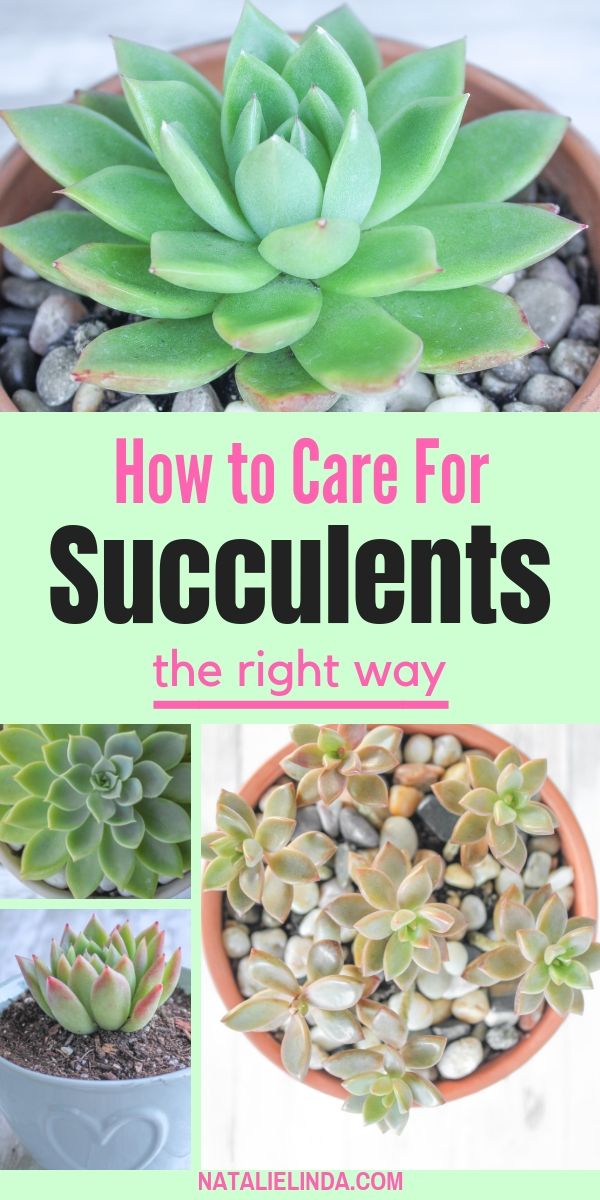
The Ultimate Guide to Caring for Succulents: Easy Tips for Thriving Plants
Succulents have captured the imagination of plant enthusiasts worldwide, and for good reason. Their plump leaves, striking silhouettes, and reputation for...

How to Replace One Floor Tile: Quick & Easy Guide
Replacing one floor tile might seem like a minor household chore, but doing it correctly is essential for maintaining the integrity and appearance of your...

The Ultimate Guide to the Best Glue for Wood Furniture: Strong, Durable & Easy Bond
Selecting the right glue for wood furniture is the unseen foundation of lasting craftsmanship. While the beauty of a piece often lies in the grain and finish...

Plant a Tree with Ashes: A Complete Guide to Memorial and Ritual Planting
Planting a tree with ashes represents a profound and increasingly popular method of honoring a life, creating a lasting legacy, or marking a significant new...