The Ultimate Guide to Caring for Succulents: Easy Tips for Thriving Plants
Succulents have captured the hearts of plant lovers worldwide, and for good reason. Their sculptural forms, vibrant colors, and drought-tolerant nature make them ideal companions for both seasoned gardeners and first-time plant parents. However, caring for these desert dwellers is not as simple as placing them in a sunny spot and ignoring them. To thrive indoors, succulents require a specific balance of light, water, and soil that mimics their native environments. Understanding their unique needs is the first step toward cultivating a lush, healthy collection that endures for years.
Understanding Succulent Biology
Before diving into care routines, it helps to grasp why succulents behave the way they do. These plants store water in their leaves, stems, or roots, an adaptation that allows them to survive prolonged dry periods. Because of this reservoir, they are highly susceptible to root rot if kept in consistently moist soil. Their metabolism is also tied to temperature and light; most varieties become dormant in extreme heat or cold, reducing their water uptake. Recognizing this physiological framework shifts care from guesswork to strategy, ensuring you provide support exactly when and where the plant needs it.
Light Requirements for Optimal Growth
Light is the cornerstone of succulent health, influencing not only growth but also coloration. Indoors, the ideal spot is a south or west-facing window that delivers at least four to six hours of direct sunlight. If natural light is insufficient, you will notice etiolation—stretching, pale growth—as the plant reaches desperately toward the light source. In such cases, supplementing with a grow light for 12 to 14 hours a day can prevent legginess. Outdoors, acclimate graduals to full sun to avoid sunburn, particularly during the peak heat of summer afternoons.


Signs of Light Stress
- Leggy stems with wide gaps between leaves indicate insufficient light.
- White or brown scorched patches on leaves suggest too much direct sun.
- Vibrant coloration (reds, purples) often signals healthy, high-light exposure.
Watering with Precision
Overwatering is the single most common cause of succulent death, so adopting a cautious approach is vital. The soak and dry method works well: water the soil thoroughly until it runs out of the drainage holes, then allow it to dry completely before repeating. Frequency depends on climate, humidity, and potting mix, but a general rule is to check once every one to two weeks. Always lift the pot to gauge weight—a heavy container suggests moisture is still present, while a lighter pot indicates it is time to water.
Seasonal Adjustments
Succulents enter a semi-dormant state during winter, requiring significantly less water. In contrast, they often need more frequent hydration during the active growing seasons of spring and summer. Factors like airflow and indoor heating also play a role; a plant near a drafty window may dry out faster than one in a stable environment. Adjusting your schedule based on these variables prevents root suffocation and keeps the plant resilient.


Soil and Potting Considerations
Standard potting soil retains too much moisture for succulents, leading to rot. A specialized cactus or succulent mix, amended with inorganic materials like pumice, perlite, or coarse sand, ensures sharp drainage. The ideal container has drainage holes to expel excess water, and terracotta or unglazed clay pots are excellent choices because they wick moisture away from the roots. When repotting, choose a pot only slightly larger than the root ball to minimize the risk of standing water around the stems.
Temperature, Humidity, and Airflow
While many succulents tolerate a wide range of temperatures, they generally prefer conditions similar to human comfort—between 60°F and 85°F (15°C to 29°C). Protect them from sudden cold drafts near windows in winter and avoid placing them directly above radiators in summer. Indoor humidity is usually acceptable, but good airflow is non-negotiable. Gentle air circulation around the plant helps the soil evaporate excess moisture quickly, reducing the likelihood of fungal issues. If you group plants together, ensure there is enough space for air to move freely between them.
Pest Management and Ongoing Maintenance
Even with careful care, succulents can fall prey to pests such as mealybugs, scale, and aphids. Inspect new plants before introducing them to your collection, and quarantine any suspected specimens. Early infestations can often be managed with a cotton swab dipped in isopropyl alcohol or a gentle spray of insecticidal soap. Pruning dead or damaged leaves not only keeps the plant tidy but also encourages new growth. Remove any debris from the soil surface to prevent pests from taking shelter, and rotate the pot regularly to promote even growth and prevent leaning.


Related Articles
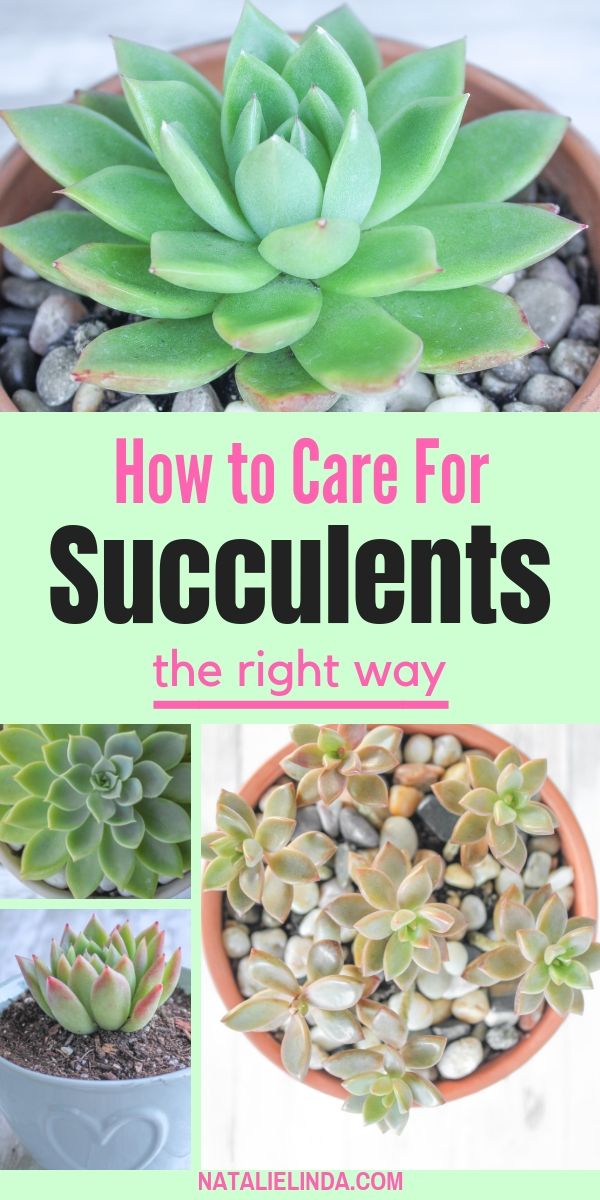
The Ultimate Guide to Caring for Succulents: Easy Tips for Thriving Plants
Succulents have captured the imagination of plant enthusiasts worldwide, and for good reason. Their plump leaves, striking silhouettes, and reputation for...

The Ultimate Guide to Caring for Ice Plants: Tips for Thriving Succulents
Ice plants, with their dazzling jewel-like flowers and fleshy, succulent leaves, have become a staple in modern drought-tolerant landscaping. Known...

The Ultimate Guide to Sea Onion Plant Care: Tips for Thriving Succulents
Few plants manage to blend the effortless charm of the seaside with the disciplined precision of indoor horticulture quite like the sea onion. Often mistaken...

The Ultimate Guide to Jade Plant Indoor Care: Expert Tips for Thriving Succulents
Bringing a jade plant into your home is a rewarding decision, but mastering how to take care of jade plant indoor setups is essential for its health and...

The Ultimate Guide to Potting Outdoor Plants: Expert Tips for Thriving Greenery
Potting outdoor plants is more than just placing a seedling into a container; it is the foundation of a thriving, vibrant garden display. The right pot...

The Ultimate Aloe Vera Repotting Guide: Expert Tips for Thriving Plants
Repotting aloe vera is often misunderstood, leading many owners to either stress over every minor root peek or neglect the task for years. While this succulent...