The Ultimate Guide to Caring for Succulents: Easy Tips for Thriving Plants
Succulents have captured the imagination of plant enthusiasts worldwide, and for good reason. Their plump leaves, striking silhouettes, and reputation for being low-maintenance make them ideal companions for busy beginners or seasoned collectors. Yet, the very qualities that make them seem indestructible are often misunderstood, leading to root rot and premature decline. Caring for succulents successfully is less about neglect and more about mastering a precise balance of light, water, and environment. Viewing them as desert survivors rather than tropical plants is the fundamental shift that unlocks healthy growth.
Understanding Their Natural Habitat
The foundation of proper care begins with recognizing that succulents originate from arid environments where water is scarce and sunlight is intense. In the wild, they have evolved to store moisture in their leaves, stems, or roots to survive prolonged dry spells. This adaptation means they are exceptionally sensitive to sitting in wet soil. Consequently, replicating these conditions—especially the drying cycle—is crucial. Forget the myth of "cacti and succulents need little water"; they need infrequent but thorough watering that allows the soil to completely dry out between sessions.
The Non-Negotiable Role of Light
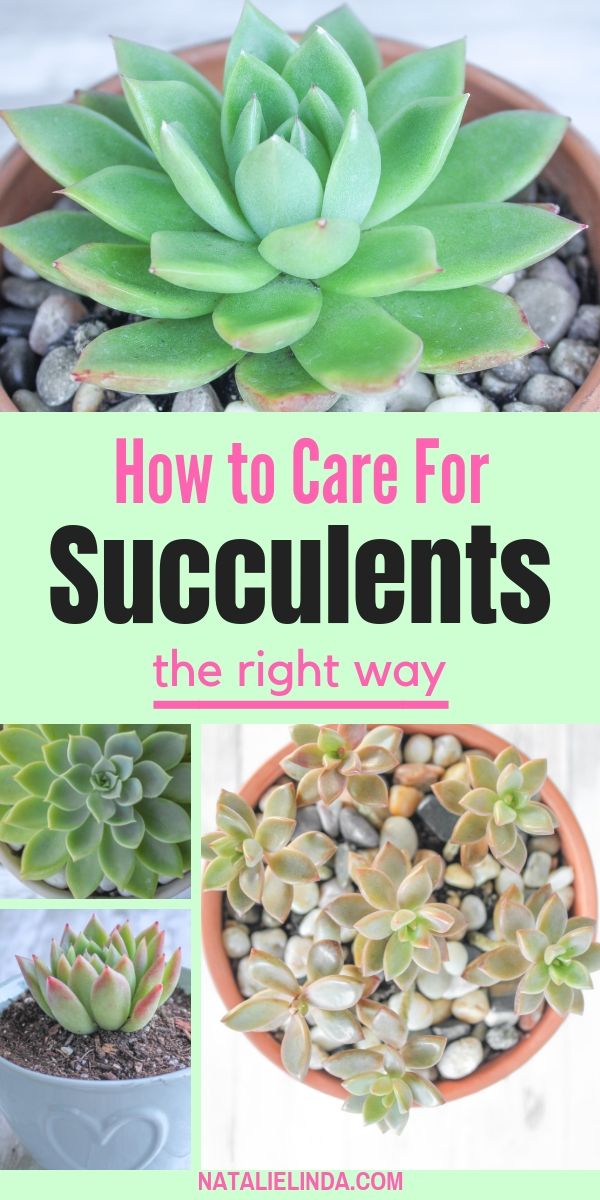
Light is the primary driver of photosynthesis and etiolation prevention, making it arguably the most critical factor in long-term health. Most popular varieties, such as Echeverias, Graptopetalums, and Sempervivums, demand bright, direct sunlight for at least 4 to 6 hours daily. An indoor windowsill, while better than a dark room, often provides insufficient light, causing the plant to stretch, lose color, and become leggy. If natural light is inadequate, supplementing with grow lights is not just an option but a necessity to maintain compact, vibrant growth.


Perfecting the Watering Technique
Overwatering is the single leading cause of succulent death, and it is almost always a result of good intentions paired with poor drainage. The "soak and dry" method is the gold standard: water the soil thoroughly until water runs out of the drainage holes, then allow the soil to dry out completely before watering again. The frequency is not fixed; it depends on climate, season, pot, and soil. A reliable schedule is a trap—always check the soil moisture by inserting a finger about an inch deep or using a wooden skewer to test dryness below the surface.
So, Pots, and Soil: The Physical Foundation
Choosing the right pot and soil is not a matter of aesthetics alone; it is a physiological necessity. Pots must have drainage holes to prevent water from pooling at the bottom. Terracotta or unglazed clay pots are excellent choices as they are porous, allowing the soil to dry out more evenly. Standard potting soil retains too much moisture for succulents. Instead, use a specialized cactus and succulent mix, or amend regular potting soil with inorganic materials like perlite, pumice, or coarse sand to dramatically improve aeration and drainage.


| Factor | Ideal Condition | Poor Condition |
|---|---|---|
| Soil Moisture | Completely dry between waterings | Consistently damp or soggy |
| Light Exposure | 4-6+ hours of direct sun | Low light or indirect sun only |
| Pot Drainage | Holes present with well-draining mix | No holes or water-retentive soil |
Ongoing Maintenance and Observation
Caring for succulents is an ongoing dialogue of observation rather than a rigid set of rules. Paying attention to subtle signs allows you to adjust care before problems become fatal. Shriveled, wrinkled leaves often indicate underwatering, while mushy, translucent leaves are a classic sign of overwatering. Leggy growth with wide spacing between leaves signals etiolation due to insufficient light. Rotating the pot occasionally ensures even growth, and removing dead lower leaves improves airflow, reducing the risk of fungal issues.
Propagation: Expanding Your Collection
One of the most rewarding aspects of succulent care is the ease of propagation, which allows you to multiply your collection at no extra cost. Leaf propagation is a popular method for many rosette-forming varieties. Gently twist a healthy leaf from the stem, let the callus form on the cut end for a day or two, then lay it on dry soil. Mist lightly until roots and tiny plantlets appear. Stem cuttings are another effective option, especially for taller plants. By learning to propagate, you deepen your understanding of the plant's biology and create a sustainable cycle of growth that transforms care into a lasting legacy.


Related Articles
The Ultimate Guide to Caring for Succulents: Easy Tips for Thriving Plants
Succulents have captured the hearts of plant lovers worldwide, and for good reason. Their sculptural forms, vibrant colors, and drought-tolerant nature make...

The Ultimate Guide to Caring for Ice Plants: Tips for Thriving Succulents
Ice plants, with their dazzling jewel-like flowers and fleshy, succulent leaves, have become a staple in modern drought-tolerant landscaping. Known...

The Ultimate Guide to Sea Onion Plant Care: Tips for Thriving Succulents
Few plants manage to blend the effortless charm of the seaside with the disciplined precision of indoor horticulture quite like the sea onion. Often mistaken...

The Ultimate Guide to Jade Plant Indoor Care: Expert Tips for Thriving Succulents
Bringing a jade plant into your home is a rewarding decision, but mastering how to take care of jade plant indoor setups is essential for its health and...

The Ultimate Guide to Potting Outdoor Plants: Expert Tips for Thriving Greenery
Potting outdoor plants is more than just placing a seedling into a container; it is the foundation of a thriving, vibrant garden display. The right pot...

The Ultimate Aloe Vera Repotting Guide: Expert Tips for Thriving Plants
Repotting aloe vera is often misunderstood, leading many owners to either stress over every minor root peek or neglect the task for years. While this succulent...