The Ultimate Guide to Caring for Ice Plants: Tips for Thriving Succulents
Ice plants, with their dazzling jewel-like flowers and fleshy, succulent leaves, have become a staple in modern drought-tolerant landscaping. Known scientifically as members of the genus Mesembryanthemum, these sun worshippers bring a burst of color to arid gardens from late spring through fall. While their vibrant appearance suggests high maintenance, the reality is quite the opposite. Caring for ice plants is largely about providing the right conditions to mimic their native coastal and semi-desert habitats, allowing them to thrive with minimal intervention.
Understanding the Ice Plant's Nature
Before diving into care routines, it is essential to understand the plant's fundamental biology. Ice plants are champions of water conservation, storing moisture in their thick, cylindrical leaves. This adaptation makes them exceptionally resilient to dry spells but also highly susceptible to rot if they sit in soggy soil. Their growth habit is typically mat-forming or shrubby, and they produce stunning flowers in a spectrum of reds, pinks, purples, yellows, and whites. The key to success lies in embracing their natural preferences: full, blazing sun and lean, fast-draining conditions.
Soil and Sunlight Requirements
Perhaps the most critical factor in caring for ice plants is soil composition. Standard garden soil or dense potting mixes will retain too much moisture, leading to root rot and eventual plant death. These plants demand a gritty, sandy, or gravelly medium that drains exceptionally well. If you are planting in the ground, amend heavy clay soils with coarse sand, pumice, or fine gravel. For container gardening, a cactus or succulent potting mix is ideal, or you can create your own blend using potting soil, perlite, and a significant amount of pumice or crushed granite. Regarding sunlight, aim for a minimum of six hours of direct, unfiltered sunlight daily. The intensity of the sun encourages prolific blooming and helps maintain the plant's compact, bushy form.


Watering Wisdom and Seasonal Care
Mastering the watering schedule is the primary challenge for most growers. The "soak and dry" method is the gold standard for ice plants. You should water deeply but infrequently, allowing the soil to dry out completely between waterings. To check, insert a finger into the soil or use a moisture meter; if it feels damp, hold off on watering. During the peak heat of summer, they may require watering once every one to two weeks, while in cooler spring or fall weather, they might need nothing at all beyond natural rainfall. Overwatering is the fastest way to kill these succulents, so it is always better to err on the side of underwatering.
Pruning and Deadheading
Regular maintenance plays a significant role in the longevity and appearance of ice plants. Deadheading, or removing spent flowers, is highly recommended. This practice prevents the plant from expending energy on seed production and encourages it to produce more blooms. Additionally, you can give the plant a light trim after the main flowering flush to remove leggy or straggly growth. Pruning not only keeps the plant looking tidy but also promotes denser foliage, resulting in a more attractive mat. Always use clean, sharp scissors or shears to make precise cuts, avoiding damage to the healthy parts of the plant.


Pest, Disease, and Winter Considerations
Ice plants are generally robust and largely trouble-free when grown correctly, but vigilance is still required. The most common issue is fungal disease, often caused by excess moisture or poor air circulation. Look for signs of rotting stems or discolored spots on the leaves. If detected, improve airflow around the plant, stop watering until the soil dries, and, in severe cases, apply a fungicide. Pests are rare, but sap-sucking insects like aphids or mealybugs can occasionally appear. A strong jet of water or insecticidal soap usually resolves these issues. In colder climates, ensure the planting site has excellent drainage to prevent the roots from freezing and rotting during winter months.
Propagation and Garden Design
Expanding your collection is straightforward, as ice plants are easily propagated from cuttings or seeds. To take cuttings, simply snip a healthy stem, let it dry out for a day or two to callus over, and then plant it in dry, gritty soil. Roots will develop within a few weeks. Growing from seed is also an option, sown in spring on the surface of moist soil. When designing your garden, consider the plant's mature spread. They are excellent for rock gardens, edging borders, or spilling over retaining walls. Their compatibility with other xeriscaping favorites like sedums, lavender, and ornamental grasses makes them a versatile and low-effort choice for sustainable gardening.


Related Articles

The Ultimate Guide to Caring for Succulents: Easy Tips for Thriving Plants
Succulents have captured the hearts of plant lovers worldwide, and for good reason. Their sculptural forms, vibrant colors, and drought-tolerant nature make...
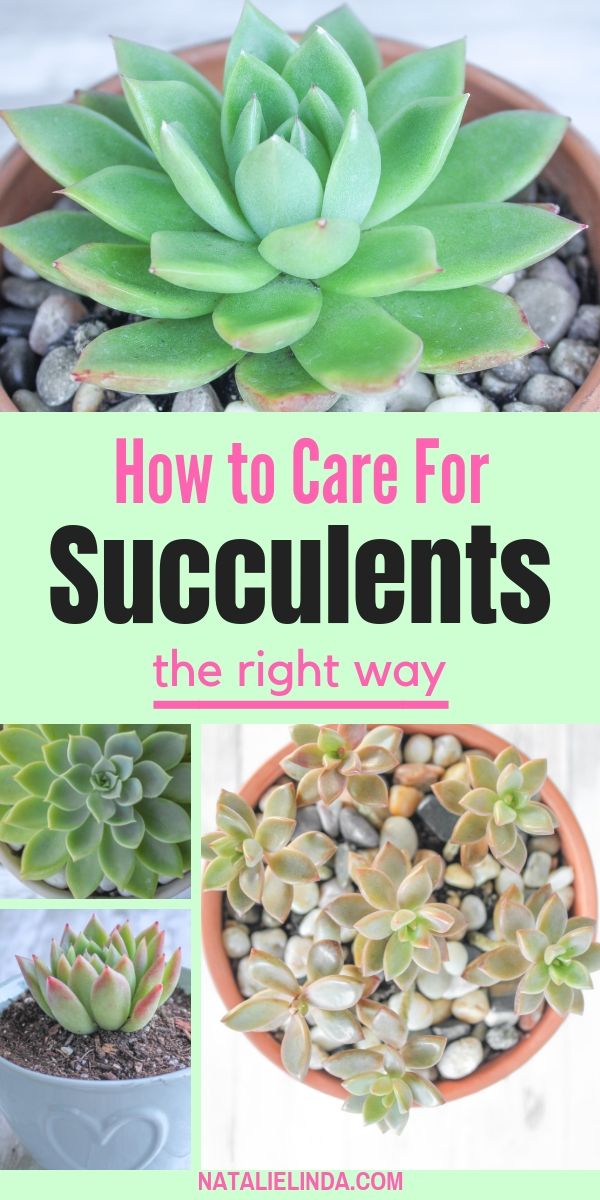
The Ultimate Guide to Caring for Succulents: Easy Tips for Thriving Plants
Succulents have captured the imagination of plant enthusiasts worldwide, and for good reason. Their plump leaves, striking silhouettes, and reputation for...

The Ultimate Guide to Potting Outdoor Plants: Expert Tips for Thriving Greenery
Potting outdoor plants is more than just placing a seedling into a container; it is the foundation of a thriving, vibrant garden display. The right pot...

The Ultimate Aloe Vera Repotting Guide: Expert Tips for Thriving Plants
Repotting aloe vera is often misunderstood, leading many owners to either stress over every minor root peek or neglect the task for years. While this succulent...

The Ultimate Guide to Homebase Cactus Soil: Expert Tips for Thriving Succulents
Choosing the right soil is the single most important factor in successfully cultivating cacti indoors, and the term homebase cactus soil refers to the...

The Ultimate Guide to Watering Succulents from Bottom: Healthy Plants, Thriving Roots
Mastering the art of watering succulents from the bottom is one of the most valuable skills a plant enthusiast can develop. This method involves placing your...