Echeveria Runyonii Care: The Ultimate Guide to Thriving Topsy Turvy Succulents
Echeveria runyonii, commonly known as Topsy Turvy, is a captivating succulent that has earned a permanent spot on the windowsills of collectors and plant enthusiasts alike. Its most distinctive feature is the rosette of fleshy, powdery blue-green leaves that curl dramatically inward, creating a unique and architectural silhouette. Native to the rocky slopes of Mexico, this drought-tolerant beauty thrives on neglect rather than constant pampering, making it an ideal choice for both beginners and seasoned gardeners. Mastering Echeveria runyonii care is about replicating its arid native habitat, focusing on brilliant light, infrequent watering, and excellent drainage to keep its stunning form vibrant and healthy.
Understanding the Echeveria Runyonii
Before diving into the specifics of care, it is essential to understand the plant you are nurturing. Echeveria runyonii is part of the Crassulaceae family and is characterized by its fast-growing, offsetting habit. Unlike some slow-growing succulents, Topsy Turvy produces numerous pups around the mother plant, forming attractive clusters. The powdery coating on its leaves, known as farina, is a natural protection against intense sun and dehydration; however, this coating is fragile and can be rubbed off easily. Handling the plant by its leaves should be done gently to preserve this delicate, waxy layer that gives the plant its signature matte finish.
Harnessing the Power of Light
Light is the single most critical factor in successful Echeveria runyonii care. This succulent demands bright, direct sunlight for the majority of the day to maintain its compact shape and vivid coloration. Ideally, it should receive at least six hours of morning or afternoon sun. When grown indoors, a sunny south-facing window is the prime real estate for this plant. Insufficient light leads to etiolation, a process where the plant stretches tall and leggy, losing its tight rosette form as it desperately reaches for more light. If natural light is inadequate, supplementing with grow lights is an effective solution to prevent this elongation.


Seasonal Light Adjustments
While Echeveria runyonii loves sun, the intensity of that sun changes with the seasons. During the peak of summer, the harsh midday sun can sometimes scorch the leaves, leading to brown, crispy patches. In these instances, providing a little filtered light during the hottest hours or moving the plant slightly back from the window can prevent sunburn. Conversely, during the winter months, you should maximize the available light by placing the pot directly on the sill and cleaning the window glass to ensure no dust blocks the rays.
Mastering the Art of Watering
Overwatering is the most common cause of death for succulents, and Echeveria runyonii is no exception. Its thick leaves store water, allowing it to survive long periods of drought. Therefore, the soak and dry method is the most appropriate watering technique. You should water the soil thoroughly until water runs out of the drainage holes, ensuring the roots receive a deep drink. However, you must wait until the soil is completely dry before watering again. Sticking a finger into the soil or using a moisture meter can help prevent the temptation to water too frequently, especially during the cooler months when the plant enters a semi-dormant state.


The Soil and Drainage Imperative
Watering practices are intrinsically linked to soil composition. Standard potting soil holds too much moisture for succulents and will lead to root rot. A specialized approach is necessary. You should use a lightweight, airy cactus or succulent mix. To enhance drainage further, you can amend the soil with inorganic materials like perlite, coarse sand, or pumice. These additives prevent the soil from becoming compacted and ensure that excess water drains away quickly. Equally important is the pot itself; it must have a drainage hole at the bottom to allow excess moisture to escape, preventing it from pooling around the roots.
Temperature and Environmental Care
Echeveria runyonii is remarkably adaptable to typical household temperatures, but it thrives in warmth. Ideally, you should keep the plant in an environment that stays between 65°F and 80°F (18°C to 27°C). It is generally tolerant of brief dips down to 50°F (10°C), but prolonged exposure to cold temperatures or frost will damage or kill the plant. Good air circulation is also vital. Stagnant, humid air can encourage fungal diseases, particularly around the central rosette. If you notice mushy spots or blackening at the base, it is often a sign of poor air circulation combined with excess moisture.
Fertilization and Maintenance
While not a heavy feeder, Echeveria runyonii benefits from a little nutritional boost during its active growing season in spring and summer. You should fertilize sparingly, using a balanced, water-soluble fertilizer diluted to half the recommended strength. Applying fertilizer once at the beginning of spring and once in mid-summer is usually sufficient to support healthy growth. In the fall and winter, the plant rests, and fertilization should be halted entirely. Regular maintenance involves removing any dead or dried leaves from the base of the plant to prevent pests from taking hold and to maintain the aesthetic appeal of the rosette.


Related Articles

The Ultimate Guide to Sea Onion Plant Care: Tips for Thriving Succulents
Few plants manage to blend the effortless charm of the seaside with the disciplined precision of indoor horticulture quite like the sea onion. Often mistaken...

The Ultimate Guide to Caring for Succulents: Easy Tips for Thriving Plants
Succulents have captured the hearts of plant lovers worldwide, and for good reason. Their sculptural forms, vibrant colors, and drought-tolerant nature make...

The Ultimate Guide to Jade Plant Indoor Care: Expert Tips for Thriving Succulents
Bringing a jade plant into your home is a rewarding decision, but mastering how to take care of jade plant indoor setups is essential for its health and...
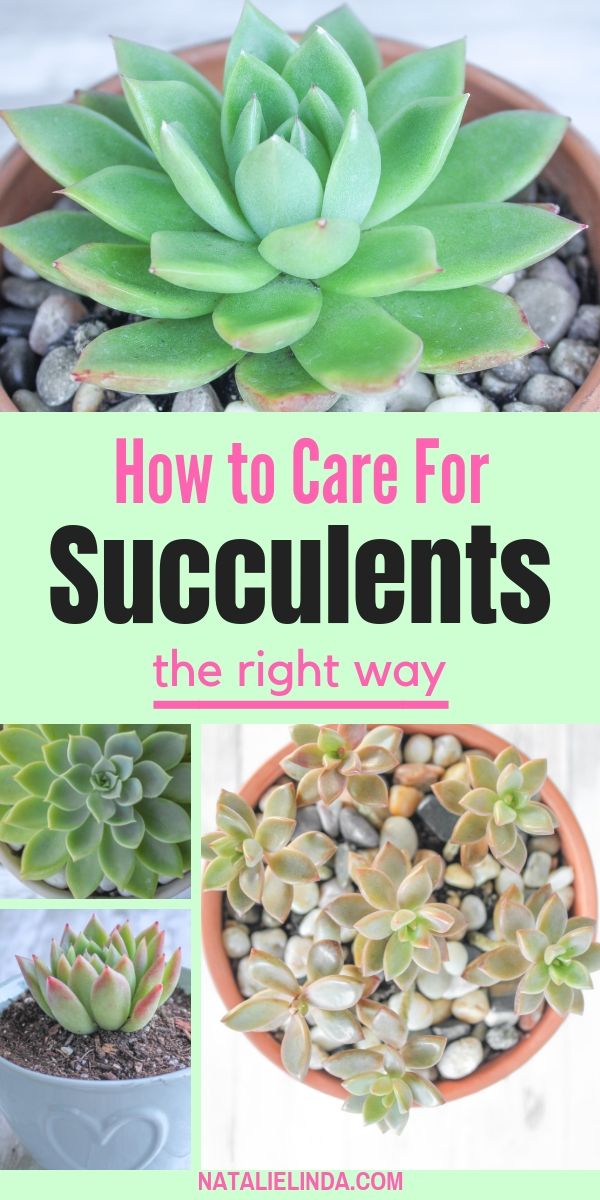
The Ultimate Guide to Caring for Succulents: Easy Tips for Thriving Plants
Succulents have captured the imagination of plant enthusiasts worldwide, and for good reason. Their plump leaves, striking silhouettes, and reputation for...

Finger Leaf Philodendron: The Ultimate Care Guide for Lush, Thriving Foliage
The finger leaf philodendron, botanically known as Philodendron digitatum, is a captivating houseplant celebrated for its uniquely sculpted foliage. This...

Purple Prayer Plant Care: Ultimate Guide to Thriving Calathea 🌿✨
The purple prayer plant, scientifically known as Maranta leuconeura var. erythroneura, is a striking houseplant celebrated for its deep purple-green leaves and...