Maximizing Alstroemeria Vase Life: Expert Tips for Long-Lasting Blooms
Cut alstroemeria stems immediately begin a race against time, transforming from vibrant, trumpet-shaped buds into delicate, speckled blossoms that can grace a room for over a week or fade in a matter of days. Understanding the intricate factors that govern alstroemeria vase life is essential for both the florist aiming to perfect their arrangements and the home enthusiast eager to prolong the beauty of a cherished gift. With the right techniques and a little botanical knowledge, you can significantly extend the enjoyment of these stunning Peruvian lilies.
The Biology Behind the Bloom
To master alstroemeria care, you must first appreciate the plant's unique physiology. Unlike some flowers that release their fragrance all at once, alstroemeria stores its scents in specialized oils within the petals. When these stems are severed, the plant's natural process of drawing water upward is interrupted, and the petals begin to lose moisture. Furthermore, the sap that seeps from the cut stems contains a sticky resin that can clog the vascular system, preventing proper hydration if left unchecked. This biological reality dictates that every step in handling and arranging the flowers directly impacts their longevity.
Critical Pre-Arrangement Steps
Maximizing vase life starts long before the bouquet hits the vase. The moment the flowers are picked or purchased, they are in a vulnerable state and require immediate rehydration. Florists recommend making a fresh, diagonal cut about 1 to 2 inches from the base using a sharp, clean tool. This angled cut increases the surface area for water uptake and prevents the stem from sitting flat on the bottom of the container. Equally important is the removal of any leaves that would sit below the waterline, as submerged foliage decays rapidly and creates a breeding ground for bacteria, which drastically shortens the life of the blooms.


Water Quality and Additives
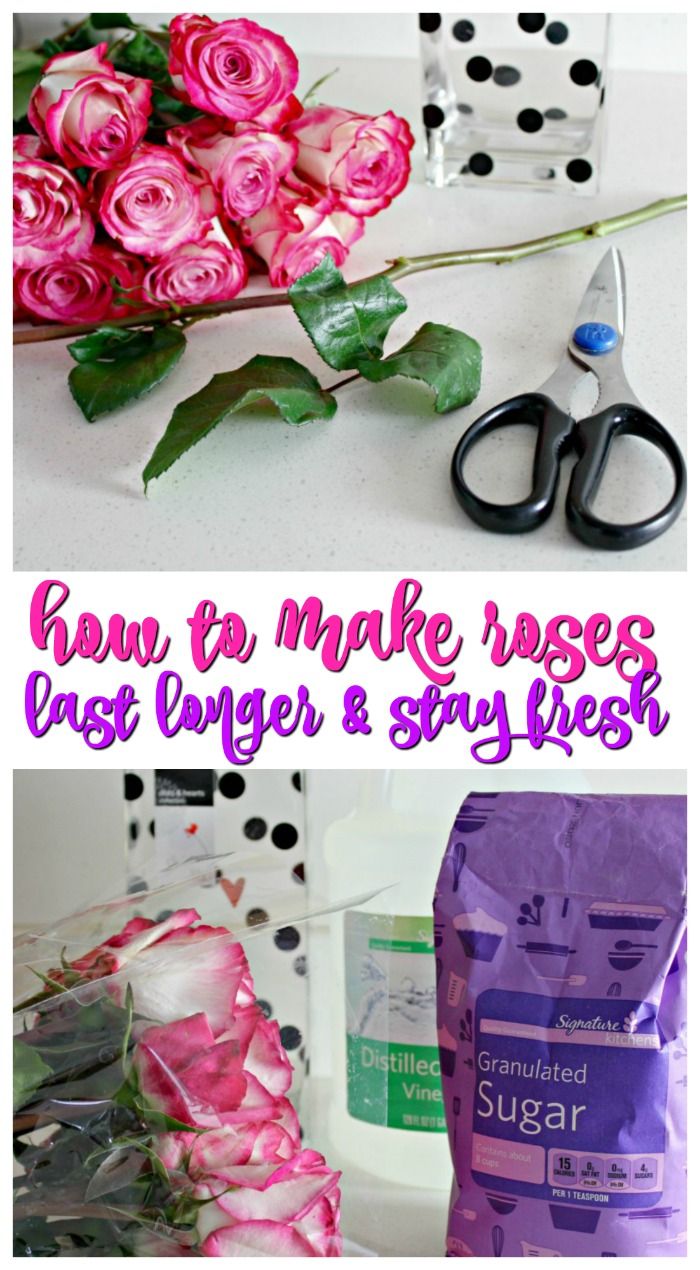
The simple act of choosing the right water source can yield dramatic improvements in how long your alstroemeria lasts. Tap water is often acceptable, but it must be fresh and changed frequently to prevent bacterial buildup. For the highest chance of success, use lukewarm water, as it allows the stems to absorb moisture more efficiently than cold water. Commercial floral preservatives are highly effective, as they provide the necessary sugars for energy and contain antimicrobial agents to fight bacteria. If you prefer home remedies, a mixture of a teaspoon of sugar and a splash of white vinegar can mimic the benefits of commercial solutions, feeding the flowers while keeping the water clear.
Environmental Control and Maintenance
Where you place the vase plays a critical role in preservation. Alstroemeria thrives in cool conditions and detests direct sunlight, heat, and drafts. Position the arrangement away from radiators, ovens, or sunny windows to slow down the metabolic processes that cause wilting. It is also vital to maintain the water level; evaporation will lower the water line, exposing the stems and interrupting the capillary action. Top up the container with fresh, treated water every other day, and recut the stems slightly to remove any hardened base that could block water absorption.


Troubleshooting Common Issues
Even with diligent care, alstroemeria can present challenges that impact their vase life. One common issue is stem bending or collapsing, which often occurs due to a lack of support or an inability to move water through a clogged stem. If the blooms start to droop, try standing the stems upright and gently tapping the base on a hard surface to dislodge any air bubbles. Furthermore, the appearance of brown spots or mushy stems usually indicates bacterial infection or over-ripeness, requiring the immediate removal of affected parts to save the rest of the arrangement.
Comparative Longevity
When evaluating the success of your care routine, it is helpful to know what to expect. While nature plays a role, proper maintenance can push alstroemeria far beyond their typical window. With optimal conditions, you can generally expect the following performance from your bouquet:
| Care Level | Expected Vase Life | Visual Description |
|---|---|---|
| Neglected | 2-3 days | Rapid wilting and browning |
| Standard Care | 7-10 days | Steady blooms with minor leaf decline |
| Optimal Care | 10-14 days | Gradual blooming, maintaining color and structure |
By adhering to these guidelines, you can transform a simple bunch of flowers into a long-lasting centerpiece that continues to impress.


Related Articles
How Long Do Fresh Cut Roses Last? 💐 Expert Tips for Maximum Vase Life
Fresh cut roses arrive at your home carrying the promise of beauty and romance, but their vibrant bloom time is often shorter than you might hope...

The Ultimate Guide to Caring for Rhododendron: Expert Tips for Lush Blooms
Rhododendrons are the jewels of the spring garden, offering explosive clusters of color that can transform a woodland border into a breathtaking spectacle...

The Ultimate Guide to Watering Hydrangeas: Expert Tips for Thriving Blooms
Hydrangeas are celebrated for their spectacular, long-lasting blooms, but their success hinges on one critical factor: consistent and proper hydration. These...

The Ultimate Guide to Cashmere Care: Expert Tips for Fluffy, Long-Lasting Knits
Cashmere is the epitome of luxurious comfort, a fiber so fine it feels like soft brushstrokes against the skin. However, this delicate quality means it...

Expert Tips: How to Maintain Roses in a Vase for Lasting Beauty
To keep roses in a vase looking vibrant for as long as possible, it is essential to start with the right preparation. Freshly cut stems should be trimmed at a...

The Ultimate Guide to Sealing Cedar: Expert Tips for Long-Lasting Protection
Cedar is a beloved wood for outdoor projects, from decks and siding to furniture and fencing, thanks to its natural beauty, durability, and insect resistance...