How Long Do Fresh Cut Roses Last? 💐 Expert Tips for Maximum Vase Life
Fresh cut roses arrive at your home carrying the promise of beauty and romance, but their vibrant bloom time is often shorter than you might hope. Understanding the realistic lifespan of these delivered flowers helps you manage expectations and take steps to maximize their beauty. On average, a high-quality rose bunch will grace your space for approximately 7 to 10 days, though specific conditions can push this toward 12 days or shorten it to just 3 or 4. The journey from harvest to your vase is a delicate one, and every step influences how long your roses will perform.
The Journey from Field to Vase
The clock starts ticking the moment the rose is cut from the plant, initiating a process called senescence, where the flower begins to break down its own cells to supply energy. Growers combat this by harvesting roses typically in the cooler hours of the morning and immediately placing them into nutrient-rich water solutions, often containing biocides and acidifiers. This controlled environment slows bacterial growth and ensures the stems can efficiently process water, forming the foundation for longevity before they even leave the greenhouse.
Critical Factors Influencing Lifespan
Several variables determine whether your roses will last a full week or fade in days, and these are largely within your control after purchase. The quality of the bloom at purchase is paramount; tight buds with slightly open centers generally outlast fully opened flowers. Equally important is the care they receive at home, which includes the water quality, the cleanliness of the container, and the ambient temperature they are exposed to on a daily basis.


Handling and Initial Conditioning
How you treat the roses the moment they enter your home plays a decisive role in their vase life. Avoid exposing them to extreme heat or cold during transport, as temperature shocks can irreversibly damage the delicate vascular system. Upon arrival, re-cut the stems underwater or immediately place them in fresh water to prevent air bubbles from forming, which would block the essential flow of water and nutrients to the head.
Water Quality and Additives
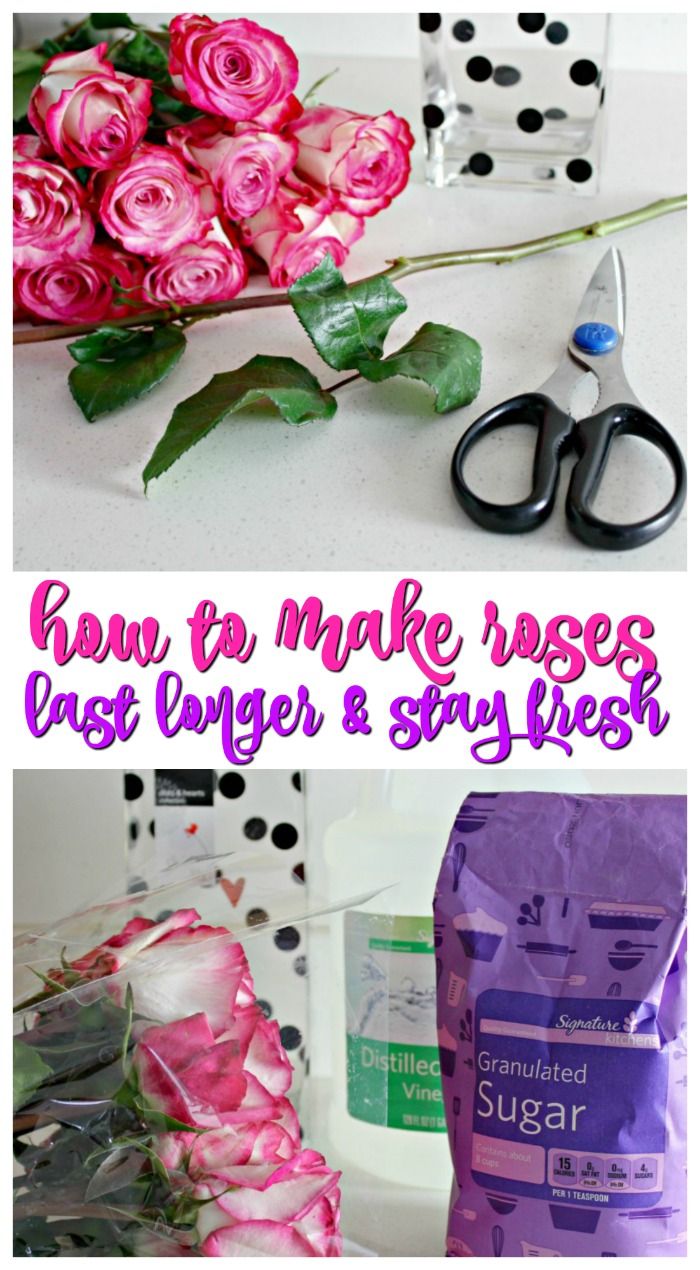
The simple act of refilling the vase with plain tap water is often insufficient for long-term preservation. Bacteria thrive in stagnant water, multiplying rapidly to clog the stems and produce harmful acids. Using a commercial floral preservative, which typically contains sugar for nourishment, acid to balance pH, and bleach to inhibit bacteria, creates a far more hospitable environment. Furthermore, changing the water every two days removes this bacterial buildup and replenishes the nutrients the flowers continuously consume.


| Factor | Positive Impact on Longevity | Negative Impact on Longevity |
|---|---|---|
| Stem Re-cutting | Ensures unobstructed water uptake | Air bubbles block the vascular system if done in air |
| Water Temperature | Cool water absorbs more oxygen and reduces bacterial growth | Warm water accelerates bacterial proliferation |
| Environmental Placement | Cool, shaded area away from appliances | Direct sun, heat vents, or fruit ripening rooms |
Optimizing Home Care for Lasting Beauty
To extend the life of your roses well beyond the average window, adopt a routine that mimics the professional care they received at the farm. Remove any foliage that would sit below the waterline, as decomposing leaves create bacteria and foul the water. Trim the stems every two days at a 45-degree angle to increase the surface area for water absorption, ensuring you cut above a leaf node to promote continued growth.
Recognizing the Signs of Decline
Even with the best care, the aging process is inevitable, and recognizing the symptoms early allows you to take corrective action. Wilting is usually the first visible sign, caused by a lack of internal water pressure within the plant cells. You will also notice the petals begin to lose their vivid color, developing translucent spots or browning at the edges, which indicates that the cellular structure is breaking down faster than it can be repaired.
The Final Days and Sustainable Disposal
When the vibrant hues fade and the stems become mushy, the vase life is officially over, but the cycle doesn't have to end in waste. While the petals may no longer be suitable for display, they can be repurposed in compost piles to enrich soil, or the buds can be dried to create potpourri. Acknowledging the end of their decorative phase allows you to dispose of them responsibly, closing the loop on the remarkable journey these flowers took to brighten your space.


Related Articles

How Long Does Pasta Last? Storage Tips & Shelf Life Guide
When you finish cooking dinner, you might find yourself staring at a pot of pasta and wondering how long does pasta last in the fridge. This simple question is...

Fresh Ginger Shelf Life: How Long Does Ginger Last?
Fresh ginger adds a bright, spicy warmth to everything from stir-fries to soothing teas, but its potent flavor fades quickly if storage is overlooked...

How Long Does Homemade Butter Last? shelf life Tips Storage
Few kitchen staples deliver the same level of satisfaction as a spoonful of smooth, homemade butter. Whether you whipped it up in a food processor or churned...

How Long Does Frosting Last in the Fridge? Storage Tips & Shelf Life
Few things are as frustrating as seeing your favorite slice of cake unearthed from the back of the fridge, coated in a strange, hardened layer. Understanding...

Expert Tips: How to Maintain Roses in a Vase for Lasting Beauty
To keep roses in a vase looking vibrant for as long as possible, it is essential to start with the right preparation. Freshly cut stems should be trimmed at a...

How Long Does Fresh Salsa Last in the Fridge? Salsa Storage Tips
Fresh salsa is a vibrant, raw condiment celebrated for its bright flavors and crisp texture, but its delicate composition means it does not last as long as...