Expert Tips: How to Maintain Roses in a Vase for Lasting Beauty
To keep roses in a vase looking vibrant for as long as possible, it is essential to start with the right preparation. Freshly cut stems should be trimmed at a sharp angle just before placing them in water, which dramatically increases the surface area for water uptake. Equally important is selecting a clean vessel; bacteria buildup is a primary reason roses wilt prematurely, so washing the vase thoroughly with hot, soapy water is a non-negotiable first step.
Conditioning and Cutting for Success
The journey to long-lasting roses begins long before they reach the vase. Conditioning the flowers involves placing them in deep, lukewarm water for a few hours, preferably overnight, to combat dehydration. When it is time to cut, using a sharp knife or a pair of pruning shears ensures a clean slice rather than a crushed stem, which would impede the flower’s ability to absorb water efficiently.
Removing Lower Foliage
Leaves submerged in water decay rapidly and create an ideal environment for bacterial growth. To prevent this, strip any foliage that would sit below the waterline. This step is crucial for maintaining water clarity and ensuring the stems remain healthy. Keeping the blooms above the waterline allows the roses to breathe and draw moisture upward without obstruction.


Water Quality and Additives
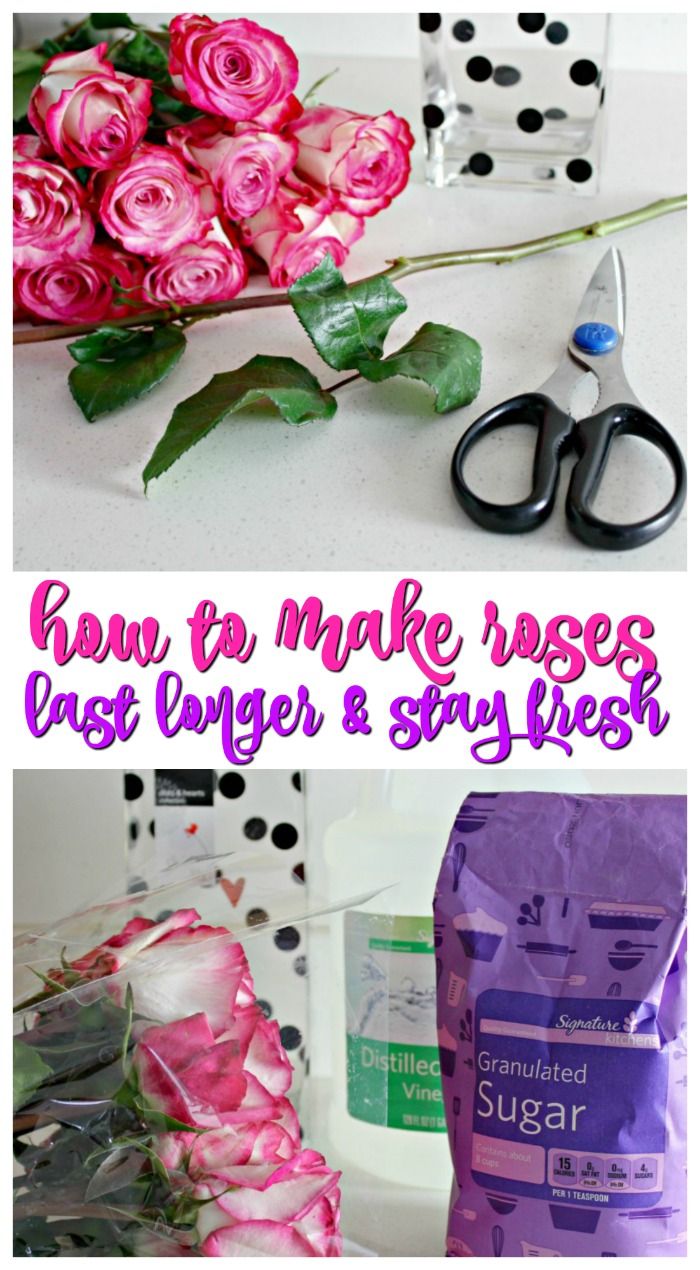
Roses are heavy feeders and drinkers, requiring fresh water every other day to maintain turgor pressure. Simply topping off the vase is insufficient; the water should be completely replaced to eliminate bacteria and replenish nutrients. To extend the life of the arrangement, consider adding commercial floral preservatives or household items like a teaspoon of sugar and a splash of bleach to nourish the flowers and inhibit microbial growth.
Environmental Management
The location of the vase plays a significant role in the roses' longevity. Avoid placing the arrangement near ripening fruit, which releases ethylene gas and causes premature dropping of petals. Similarly, keep the vase away from direct sunlight, radiators, or drafts, as these environmental stresses accelerate dehydration and cause the blooms to fade more quickly.


Temperature and Hydration
Cooler temperatures slow down the metabolic processes in the plant, effectively prolonging the vase life. Keeping the roses in a cool room, ideally between 33°F and 36°F (1°C and 2°C), mimics the conditions of a refrigerator. However, ensure the water temperature remains room temperature when the flowers are displayed, as sudden cold shocks can damage the stems.
Routine Maintenance and Monitoring
Vigilant care is necessary to sustain the beauty of the arrangement. Remove any wilted or browning petals daily to prevent the spread of decay. If the water becomes cloudy or emits an odor, it is a clear sign that bacteria are thriving; changing the water immediately and re-cutting the stems can often revive sagging flowers.
Troubleshooting Common Issues
Even with careful attention, roses may exhibit signs of distress. Drooping stems often indicate air bubbles in the xylem or a blockage caused by bacterial slime. To resolve this, re-cut the stems underwater or briefly hold them under hot tap water to clear the vascular system. If the buds refuse to open, the ambient temperature may be too cold, or the stems might be blocked, requiring a fresh cut and warmer water to encourage blooming.


Related Articles
How Long Do Fresh Cut Roses Last? 💐 Expert Tips for Maximum Vase Life
Fresh cut roses arrive at your home carrying the promise of beauty and romance, but their vibrant bloom time is often shorter than you might hope...

The Ultimate Guide to Caring for Roses: Expert Tips for Blooming Gorgeous Roses
Roses are often seen as the ultimate symbol of beauty and affection, but their delicate petals hide a demanding nature. To keep these iconic blooms thriving...

The Ultimate Guide to White Roses Plants: Stunning Beauty and Care Tips
The white rose plant is far more than a simple backdrop in a floral arrangement; it is a living symbol of purity, new beginnings, and serene beauty. Often the...

Pruning Old Woody Roses: Expert Tips for Healthy Blooms
Pruning old woody roses is a critical horticultural practice that distinguishes thriving, floriferous specimens from sparse, leggy shrubs. Many gardeners...

Prolong Your Christmas Tree's Lifespan: Expert Tips for Lasting Freshness
The quest for the perfect Christmas tree is a cherished holiday tradition, but the disappointment of a tree that wilts prematurely is all too familiar. A...

The Ultimate Guide to Maintain the Garden: Expert Tips for a Thriving Outdoor Space
Maintaining the garden is an ongoing commitment to creating a healthy, vibrant outdoor space that offers both beauty and tranquility. Far from being a one-time...