The Ultimate Guide to Taking Care of Succulents Indoors: Expert Tips for Thriving Plants
Bringing a touch of the desert into your home starts with understanding how to take care of succulents indoors. While these resilient plants are often celebrated for their low-maintenance nature, thriving on neglect is a common misconception. To truly flourish indoors, they require a careful balance of bright light, thoughtful watering, and well-draining soil that mimics their native habitats.
Understanding Your Indoor Environment
The biggest challenge for indoor succulents is usually a lack of sufficient light. Unlike their sun-drenched outdoor cousins, houseplants often struggle to get the intense, direct light they crave for at least six hours a day. Without it, they stretch and become leggy, a process known as etiolation, losing the compact, geometric charm that makes them so desirable.
The Critical Role of Light
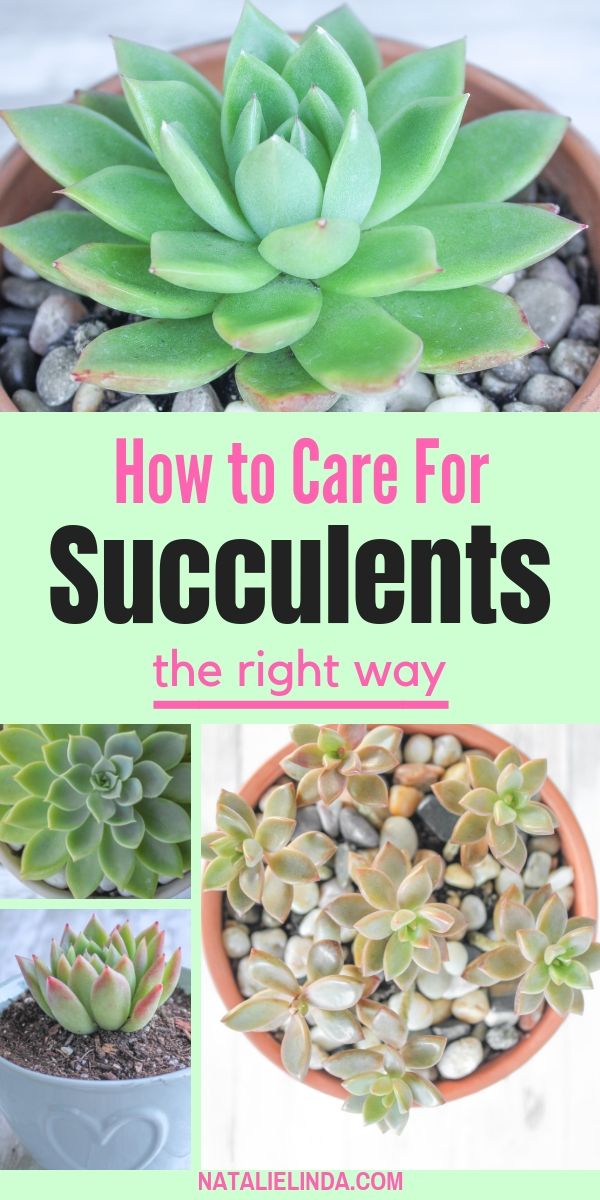
Position your succulents near the brightest window in your home, ideally a south-facing window that provides ample afternoon sun. If natural light is insufficient, consider supplementing with a grow light. Observe your plants for signs of distress; a vibrant, tight rosette indicates a happy balance, while a pale, stretched appearance is a clear signal that it needs more light.


Watering with Precision
Overwatering is the single most common cause of succulent death indoors. Their fleshy leaves store water, allowing them to survive long periods of drought. Therefore, the "soak and dry" method is the most effective approach. You should only water when the soil is completely dry, ensuring the plant absorbs what it needs without sitting in moisture that leads to fatal root rot.
Mastering the Soak and Dry Technique
- Thoroughly water the soil until water runs out of the drainage holes.
- Allow the excess water to drain completely from the saucer.
- Let the soil dry out entirely before repeating the process.
Adjust this schedule based on your home's humidity and temperature; a plant in a dry, sunny room will need water more often than one in a cooler, shaded bathroom.


The Foundation: Soil and Drainage
Standard potting soil holds too much moisture for succulents, creating a soggy environment that their roots detest. They need a fast-draining, airy medium that allows oxygen to reach the roots. Using a cactus-specific potting mix or creating your own blend with added perlite or pumice is essential for mimicking their natural, rocky soil.
Ensuring Proper Drainage
Never let your succulents sit in water. The pot you choose is just as important as the soil; always use a container with at least one drainage hole. Terracotta or unglazed ceramic pots are excellent choices because they are porous, wicking away moisture from the soil and roots, which adds an extra layer of protection against overwatering.
Ongoing Care and Maintenance
Caring for your indoor succulents also involves managing temperature and airflow. Most houseplants prefer stable temperatures found in a typical home, but they appreciate good air circulation to help the soil dry evenly and prevent fungal issues. Avoid placing them directly on cold window panes during winter or near heating vents that blast hot, dry air.


Seasonal Adjustments and Propagation
As seasons change, so do your plant's needs. Growth typically slows during the cooler, darker winter months, meaning you should water even less frequently. Conversely, in the active growing seasons of spring and summer, your plant will appreciate a bit more water and perhaps a diluted dose of fertilizer. For the attentive caretaker, propagation is a rewarding pursuit; many succulents easily produce offsets or "pups" that can be separated and repotted, effectively multiplying your collection.


Related Articles
The Ultimate Guide to Caring for Succulents: Easy Tips for Thriving Plants
Succulents have captured the hearts of plant lovers worldwide, and for good reason. Their sculptural forms, vibrant colors, and drought-tolerant nature make...

The Ultimate Guide to Jade Plant Indoor Care: Expert Tips for Thriving Succulents
Bringing a jade plant into your home is a rewarding decision, but mastering how to take care of jade plant indoor setups is essential for its health and...

Ultimate Guide to Taking Care of Bromeliads: Easy Tips for Thriving Plants
Bromeliads are a spectacular addition to any indoor garden, offering a unique blend of vibrant color and architectural form. Often recognized by their strappy...

The Ultimate Guide to Taking Care of Oregano: Expert Tips for a Thriving Herb Garden
Oregano is far more than a staple in Italian and Greek cuisine; it is a resilient and aromatic herb that brings a burst of flavor to countless dishes. To truly...

The Ultimate Guide to Potting Outdoor Plants: Expert Tips for Thriving Greenery
Potting outdoor plants is more than just placing a seedling into a container; it is the foundation of a thriving, vibrant garden display. The right pot...

The Ultimate Aloe Vera Repotting Guide: Expert Tips for Thriving Plants
Repotting aloe vera is often misunderstood, leading many owners to either stress over every minor root peek or neglect the task for years. While this succulent...