The Ultimate Guide to Succulent Indoor Care: Thrive, Not Survive
Bringing the serene beauty of desert landscapes into your home starts with succulent indoor care. These resilient plants, known for their fleshy leaves and low-maintenance nature, have become a staple for modern interiors. However, thriving indoors requires a specific approach that differs greatly from their outdoor cousins, focusing heavily on light, water, and soil management.
Mastering the Art of Sunlight
Unlike many houseplants that prefer shade, succulents are sun-worshippers at heart. The most common issue enthusiasts face is etiolation, where stems stretch tall and leggy in a desperate search for light. To prevent this, position your plants on a bright, south-facing windowsill where they can bask in at least four to six hours of direct sunlight daily.
Supplementing with Grow Lights
Not every home offers that ideal sunspot, especially during winter months. In these scenarios, artificial lighting becomes essential. A simple LED grow lamp can provide the full spectrum of light needed, ensuring your plants remain compact and vibrant. Keep the lights on for 12 to 14 hours, positioning them about 6 inches above the foliage to mimic natural daylight cycles.


The Critical Role of Water and Drainage
Over-enthusiastic watering is the fastest way to kill a succulent. These plants store water in their leaves and stems, making them highly drought-tolerant. The golden rule is to water only when the soil is completely dry. A reliable method is the "soak and dry" approach: water thoroughly until it runs out of the drainage holes, then let the pot drain completely before returning it to its cachepot.
| Season | Watering Frequency | Notes |
|---|---|---|
| Spring & Summer | Every 7-10 days | Active growth period; ensure soil dries between waterings. |
| Fall & Winter | Every 3-4 weeks | Dormant period; water sparingly to prevent root rot. |
The Soil and Container Foundation
Standard potting soil retains too much moisture for succulents, leading to root decay. You need a specialized, well-aerated medium. A mix designed for cacti and succulents, or a DIY blend of potting soil, coarse sand, and perlite or pumice, ensures water flows through quickly, drying rapidly around the roots.


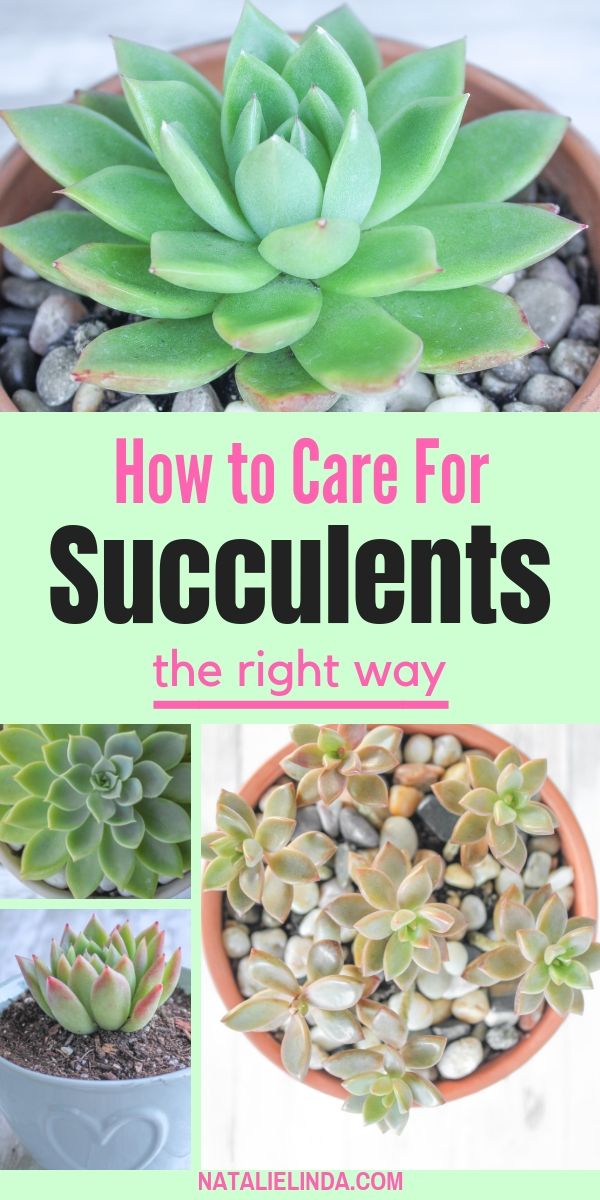
Pot Selection Matters
Always choose a container with at least one drainage hole. Terracotta or unglazed clay pots are excellent choices because they are porous, allowing the soil to breathe and dry out evenly. Glazed ceramic or glass containers are stylish but require more precise watering schedules, as they trap moisture.
Temperature, Humidity, and Seasonal Shifts
Most indoor succulents originate from arid climates and prefer average household temperatures between 60°F and 80°F. Protect them from sudden cold drafts near windows in winter and hot blasts from heating vents in summer. They generally enjoy dry air, but during the peak of winter heating, a humidifying tray or occasional misting can prevent the soil from drying out too slowly.
Ongoing Maintenance and Pest Control
Succulents are slow growers and typically don’t require frequent fertilization. A diluted, balanced fertilizer applied once during the spring and summer is sufficient to encourage healthy growth. Regularly inspect the leaves for pests like mealybugs, which appear as small white cottony masses. Isolate any affected plants and treat them with insecticidal soap or neem oil to prevent the spread.


Propagating Your Collection
One of the most rewarding aspects of succulent care is propagation. Leaf cuttings, stem cuttings, and offsets (pups) are easy to root. Simply snip a healthy leaf, let it callous over for a few days to prevent rot, and place it on dry soil. Mist lightly until new roots and baby plants emerge, creating an entire collection from a single mother plant.


Related Articles
The Ultimate Guide to Caring for Succulents Indoors: Thrive, Not Just Survive
Bringing the tranquility of a desert landscape into your home starts with mastering how to care for succulents indoor. These resilient plants, known for their...

The Ultimate Guide to Spider Plant Care Indoor: Thrive Tips
Bringing a touch of the wild into your home is easier than you might think, and few plants accomplish this with as much charm and ease as the spider plant...

The Ultimate Guide to Succulent Water Requirements: Thrive, Not Just Survive
Understanding the water requirements of succulents is the single most critical factor in ensuring these resilient plants thrive rather than merely survive...

The Ultimate Fiddle Leaf Tree Care Guide: Thrive, Not Just Survive
The fiddle leaf fig, with its dramatic, large leaves and sculptural trunk, has become a signature statement plant for modern interiors. While its reputation...

The Ultimate Guide to Hanging Plant Care: Thrive, Not Survive
Bringing life into your home or workspace often begins with the simple act of hanging a plant. A suspended garden draws the eye upward, defines negative space...

The Ultimate Poinsettia Care Water Guide: Thrive, Not Just Survive
Understanding the relationship between water and your poinsettia is the single most important factor in maintaining its health beyond the holiday season. While...