The Ultimate Guide to Caring for Succulents Indoors: Thrive, Not Just Survive
Bringing the tranquility of a desert landscape into your home starts with mastering how to care for succulents indoor. These resilient plants, known for their thick, fleshy leaves that store water, have become a staple in modern interior design for good reason. They offer a low-maintenance way to add vibrant color and unique texture to any space, from a sunny windowsill to a dimly lit office corner.
However, their easy-going reputation is often misleading. While they are tough, they are not indestructible and require a specific approach to thrive indoors. The key to success lies in understanding their native arid environments and replicating those conditions as closely as possible. This means focusing on their fundamental needs: light, water, soil, and airflow.
Mastering the Art of Light
Light is the single most critical factor for healthy indoor succulents. These plants have evolved to withstand intense, direct sunlight, and they generally require at least six hours of bright, indirect light daily to maintain their shape and color. A south-facing window is often the ideal location, providing the strongest and most consistent light stream.

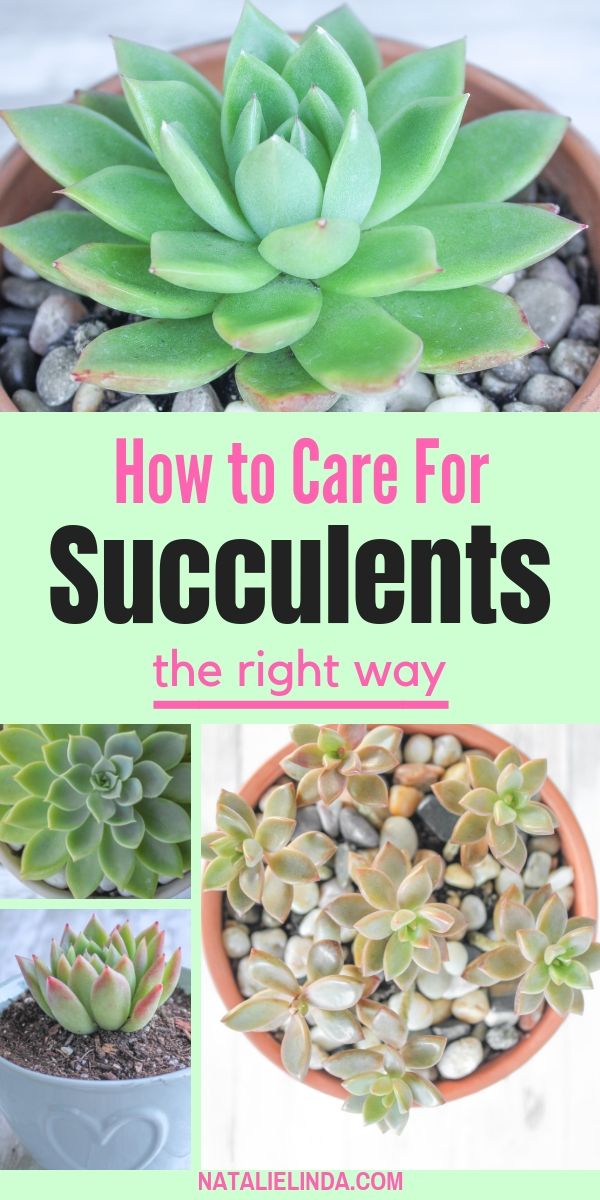

Without sufficient light, succulents will exhibit a condition known as etiolation, where they stretch and become leggy, with wide gaps between leaves. They may also lose their vibrant colors, turning a dull, dark green as they desperately reach for a light source. If natural light is insufficient in your home, supplementing with a grow lamp can be an effective solution to prevent this growth pattern.
Signs of Light Issues to Watch For
- Stretching: The plant grows tall and sparse, reaching for the light source.
- Discoloration: Leaves fade to a pale green or yellowish hue.
- Softening: Stems and leaves become elongated and weak.
Watering: The Art of Restraint
Overwatering is the most common cause of succulent death, making the "soak and dry" method essential. Unlike typical houseplants that enjoy consistent moisture, succulents prefer a cycle of complete drying followed by a thorough watering. This mimics the natural rain patterns of their native habitats.


Before you water, always check the soil. Simply insert a finger about an inch deep or use a wooden skewer to test if the soil is completely dry. If it is, give the plant a generous amount of water until it runs out of the drainage holes, ensuring the entire root system is hydrated. Allow the excess water to drain completely; never let the pot sit in a pool of water, as this will lead to root rot.
Establishing a Watering Schedule
There is no fixed schedule that applies to all succulents, as factors like temperature, humidity, and pot size influence drying time. A general rule of thumb is to water deeply every 1-3 weeks, but always water based on the dryness of the soil, not the calendar. During the winter months, when growth slows, you will need to water even less frequently.
| Factor | Impact on Watering |
|---|---|
| Season | Water more in spring/summer (growing season), less in fall/winter (dormant period). |
| Humidity | Higher humidity slows drying; lower humidity speeds it up. |
| Pot Material | Porous terracotta dries soil faster than non-porous plastic or glass. |
The Critical Role of Soil and Drainage
The right soil is just as important as the right watering technique. Standard potting soil, which is designed to retain moisture, is far too dense for succulents and will trap water around their roots. Instead, you need a well-draining, airy medium that allows water to flow through quickly.


Using a commercial cactus or succulent potting mix is the easiest solution. For a more customized blend, you can amend regular potting soil with inorganic materials like perlite, pumice, or coarse sand. This creates the ideal environment, preventing root rot and encouraging strong, healthy root development. Always ensure your pot has a drainage hole to facilitate this crucial water flow.
Temperature, Humidity, and Air Circulation
Succulents are remarkably adaptable, but they generally prefer stable conditions that mimic their native climates. Most common varieties thrive in typical household temperatures between 60°F and 75°F (15°C and 24°C). It is important to keep them away from cold drafts from windows and doors in the winter, as well as the intense heat of radiators or heating vents in the summer.
Humidity is another factor to consider. While they tolerate average home humidity, they prefer drier air. Bathrooms, which tend to be humid and often lack consistent light, are usually poor choices for succulents. Ensuring good air circulation around your plants helps the soil dry more quickly and prevents fungal diseases, contributing to the overall health of your collection.


Ongoing Maintenance and Troubleshooting
Caring for your indoor succulents also involves a bit of routine maintenance. Rotate the pot every few weeks to ensure even light exposure, preventing the plant from leaning toward the sun. You can also gently wipe the leaves with a damp cloth to remove dust, allowing them to photosynthesize more efficiently.
Be vigilant for pests like mealybugs or spider mites, which can appear on stressed plants. If you notice an infestation, isolate the affected plant immediately and treat it with insecticidal soap or neem oil. Pruning is rarely necessary, but you can remove any dead or dying leaves at the base with clean scissors to keep the plant looking its best and prevent rot.
Related Articles

The Ultimate Guide to Caring for Bromeliads Indoors: Thrive Indoors
Bringing a bromeliad into your home is an invitation to add a touch of the tropics to your everyday space. With their striking, architectural rosettes and...

The Ultimate Fiddle Leaf Tree Care Guide: Thrive, Not Just Survive
The fiddle leaf fig, with its dramatic, large leaves and sculptural trunk, has become a signature statement plant for modern interiors. While its reputation...

The Ultimate Guide to Feeding Succulents: Thrive, Not Just Survive
Understanding how to feed succulents begins with dispelling a widespread myth: these plants do not survive on sand and neglect. While they are undeniably...
The Ultimate Guide to Succulent Indoor Care: Thrive, Not Survive
Bringing the serene beauty of desert landscapes into your home starts with succulent indoor care. These resilient plants, known for their fleshy leaves and...

The Ultimate Poinsettia Care Water Guide: Thrive, Not Just Survive
Understanding the relationship between water and your poinsettia is the single most important factor in maintaining its health beyond the holiday season. While...

Thrive Indoors: The Ultimate Guide to Beautiful Basement Plants
Transforming a basement into a vibrant living space often begins with introducing life in the form of plants. While natural light is typically limited in...