The Ultimate Guide to Soil for Crown of Thorns: Best Mix for Blooms
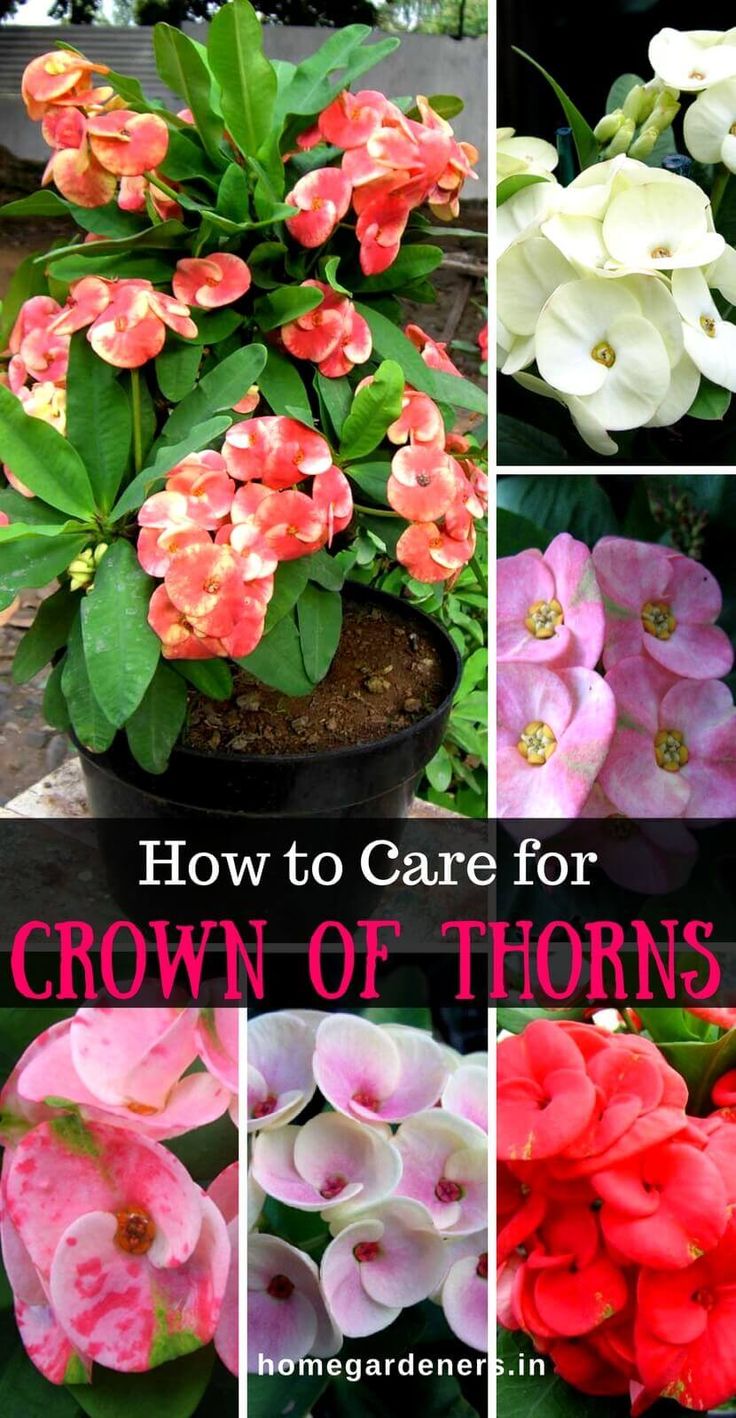
Selecting the appropriate soil for a crown of thorns is the single most critical factor in determining the long-term health and flowering potential of this striking succulent. While often celebrated for its dramatic bracts and low-maintenance reputation, Euphorbia milii thrives only when its specific drainage and nutritional requirements are met. A common mistake among growers is using standard potting mixes, which retain too much moisture around the roots, leading to rot and eventual decline. The goal is to replicate the arid, rocky conditions of its native Madagascar, ensuring the root system breathes easily and dries out between waterings. This guide provides a detailed breakdown of the ideal soil composition, pH levels, and drainage strategies necessary for cultivating a robust and blooming crown of thorns.
The Critical Role of Drainage and Aeration
The primary function of soil for a crown of thorns is not to hold water, but to facilitate rapid drainage and prevent the roots from sitting in moisture. Because the plant stores water in its thick, fleshy stems, it is highly susceptible to root rot in soggy conditions. Standard garden soil or dense, clay-based potting mixes are unsuitable as they compact over time and suffocate the roots. Instead, the growing medium must be loose, gritty, and airy, allowing oxygen to reach the root zone efficiently. This aeration is essential not only for root health but also for the beneficial microbes that prevent soil-borne diseases.
Essential Components of a Well-Draining Mix
Creating the perfect soil blend involves combining materials that improve structure and prevent compaction. The ideal mix leans heavily on inorganic components that mimic the mineral-rich environment of the plant's origin. Key ingredients include coarse sand, which adds weight and prevents the mix from washing away, and perlite or pumice, which create tiny air pockets throughout the medium. Horticultural grit or crushed granite is another excellent option for adding necessary weight and ensuring water flows through the pot almost immediately. Avoid materials like vermiculite, which hold onto moisture for too long, as they contradict the dry needs of the plant.


pH Levels and Nutritional Requirements
While the crown of thorns is adaptable, it prefers a slightly acidic to neutral pH range, ideally between 6.0 and 7.0. This range ensures the plant can efficiently uptake the essential nutrients needed for vibrant bract development. Unlike heavy feeders, this plant is relatively low maintenance regarding nutrition, and over-fertilization can actually harm the plant by promoting excessive leafy growth at the expense of flowers. The soil should be lean, prioritizing drainage and root health over high levels of organic richness. Adding a small amount of compost can provide slow-release nutrients, but it should never compromise the gritty texture of the mix.
Practical Soil Recipe for Optimal Growth
For gardeners looking for a straightforward solution, a proven soil recipe for crown of thorns involves mixing equal parts high-quality cactus or succulent potting soil with inorganic aggregates. A recommended blend is one part cactus soil combined with one part perlite or coarse sand. This ensures the mix is sufficiently chunky to allow water to exit the drainage holes within seconds of watering. For those who prefer a more commercial approach, selecting a cactus-specific potting mix and augmenting it with an additional 30% perlite will yield excellent results, preventing any risk of standing water in the saucer beneath the pot.


The Consequences of Poor Soil Choice
Ignoring the specific soil requirements of the crown of thorns leads to a cascade of problems that detract from the plant's ornamental value. Yellowing leaves, a common indicator of overwatering, are often exacerbated by dense soil that cannot dry out. Stunted growth, mushy stems, and the sudden dropping of bracts are all signs that the roots are decaying due to a lack of oxygen. In severe cases, the plant may collapse entirely. Choosing a heavy, moisture-retentive soil creates an environment conducive to fungal pathogens, which are often fatal once they take hold in the root system.
Repotting and Long-Term Soil Maintenance
Even the best soil breaks down over time as organic components decompose, so repotting is necessary every 2 to 3 years. This process is an ideal opportunity to inspect the roots for rot and refresh the growing medium. When repotting, gently loosen the root ball slightly to encourage outward growth into the new soil. Terracotta or unglazed clay pots are highly recommended for crown of throns because they are porous, wicking away moisture from the sides of the pot and further aiding the drying process. Ensuring the new pot has a large drainage hole is non-negotiable, as it is the final line of defense against water accumulation.


Related Articles

Crown of Thorns Propagation: Ultimate Guide to Rooting Success
Propagating a crown of thorns (Euphorbia milii) is one of the most rewarding practices for both novice and experienced gardeners, primarily because it is a...

The Ultimate Guide to the Best Soil for Indoor Succulents: Drainage & Mixes
The secret to thriving indoor succulents lies beneath the surface. While these resilient plants are often praised for their low-maintenance nature, their...

The Ultimate Guide to the Best Soil for Lilies: Plant Perfection
Selecting the best soil for lilies is the foundational step to cultivating these elegant perennials successfully. While their striking blooms often steal the...

The Ultimate Guide to the Best Soil for Pitcher Plant Growth
Understanding the best soil for pitcher plant cultivation is the foundational step to successfully growing these remarkable carnivorous plants. Unlike typical...

The Best Dirt for Snake Plant: Ultimate Soil Guide for Thriving Growth
Selecting the right dirt for a snake plant is less about horticultural tradition and more about mimicking its native environment. Sansevieria, often known as...

The Ultimate Guide to Top Soil for Plants: Boost Growth & Blooms
Selecting the right top soil for plants is often the single most impactful decision a gardener or landscaper can make. This layer of material, typically the...