Crown of Thorns Propagation: Ultimate Guide to Rooting Success
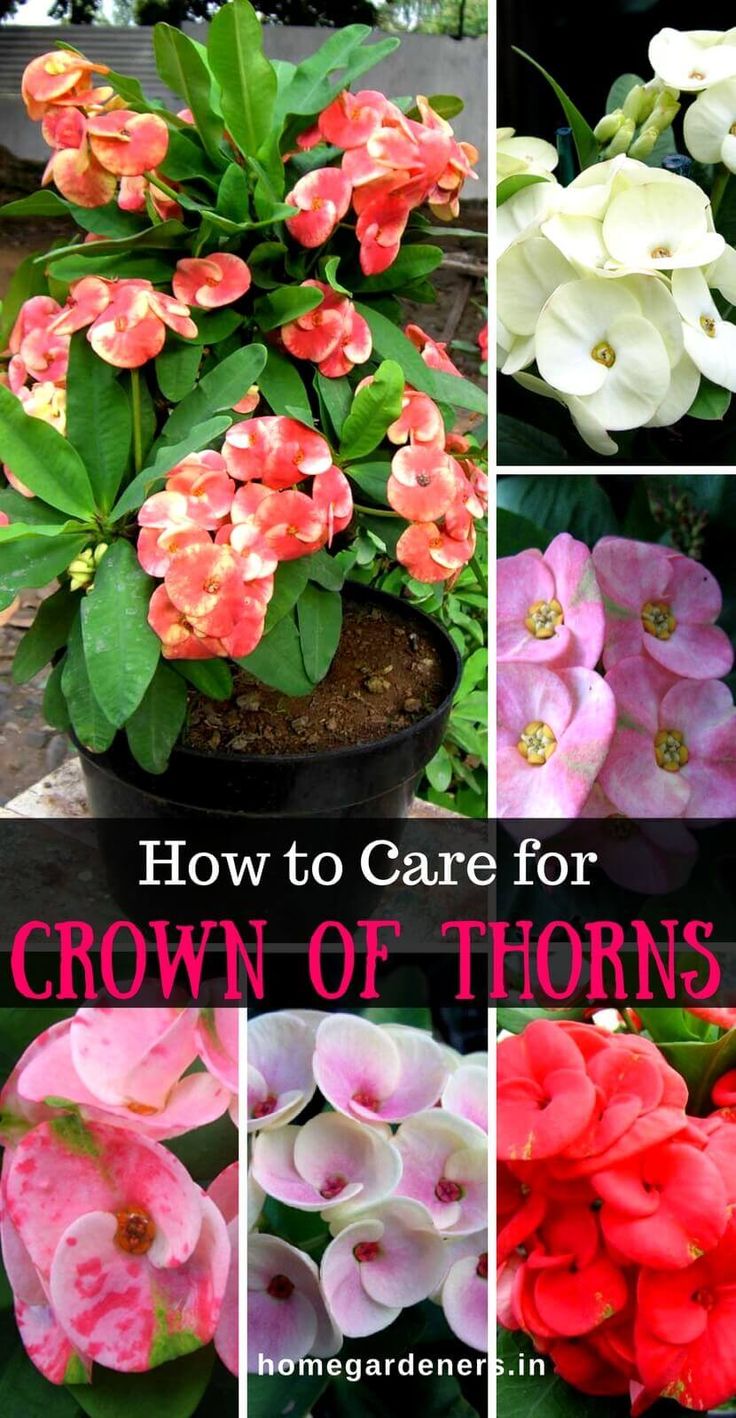
Propagating a crown of thorns (Euphorbia milii) is one of the most rewarding practices for both novice and experienced gardeners, primarily because it is a remarkably straightforward process. This species, known for its dramatic bracts that bloom around sharp thorns, responds vigorously to cuttings, allowing you to multiply your specimens without significant difficulty. By understanding the specific conditions that trigger root development, you can successfully create new plants that will eventually burst with the same stunning floral display.
Optimal Timing for Propagation
Timing plays a crucial role in the success rate of your propagation efforts, as the plant's biological clock dictates energy allocation. The best periods to take cuttings are during the active growing season, which typically spans late spring through summer. During this window, the plant's metabolism is heightened, and the warmth of the weather accelerates the rooting process, resulting in a faster establishment in the growing medium.
Selecting the Right Cutting
Choosing a healthy and mature stem is the foundation of successful propagation; weak or diseased segments will fail to root effectively. Look for a stem that is firm to the touch, brightly colored, and shows no signs of pests or soft spots. A cutting of approximately 4 to 6 inches is ideal, as this length provides enough surface area for root initiation while remaining manageable and stable in the pot.


The Process of Rooting
Before inserting the cutting into soil, you must address the plant's defense mechanism: its milky sap. This latex contains irritants that can cause skin irritation and, more importantly, seal the cut end, preventing water absorption. To counteract this, you should allow the cutting to callous over for 24 to 48 hours in a dry, shaded area until the end forms a protective layer. Alternatively, some gardeners dip the cut end in rooting hormone to expedite the process, though this is often optional due to the plant's innate vigor.
Soil and Planting Medium
The choice of growing medium is critical to prevent rot and encourage rapid root growth. A standard, well-draining cactus or succulent potting mix is suitable, but you can enhance drainage by incorporating additional perlite or coarse sand. The container should have ample drainage holes to ensure excess water escapes quickly, as standing moisture at the base of the stem is the primary cause of propagation failure.


When planting, create a hole in the soil and insert the callused end gently. The cutting should stand upright without support, though you can stabilize it by gently pressing the soil around the base. Water the soil lightly immediately after planting to settle it, but avoid soaking the medium. Subsequently, it is essential to adopt a careful watering schedule, allowing the soil to dry out completely between sessions to mimic the arid conditions the plant naturally prefers.
Post-Propagation Care
Once the cutting is planted, the environment should provide bright, indirect light rather than harsh, direct sunlight, which can scorch the tender new growth. While crown of thorns is drought-tolerant, maintaining a balance is key; overwatering will lead to root rot, while underwatering will cause the cutting to shrivel. Within a few weeks, you should observe new growth at the top or resistance when gently tugging the cutting, indicating that roots have formed.
Common Challenges and Solutions
Even with careful preparation, you might encounter setbacks during the propagation process. A common issue is stem rot, which usually occurs due to excessive moisture or poor air circulation. If the cutting feels soft or discolored at the base, it is likely decaying, and the only solution is to discard the specimen and start again with a drier approach. Conversely, if the cutting is not rooting and the stems appear shriveled, the environment may be too dry, or the cutting was taken from old, woody growth that has a slower vitality.


| Step | Action | Critical Detail |
|---|---|---|
| 1 | Take Cutting | |
| 2 | Callus Formation | |
| 3 | Planting | |
| 4 | Initial Care | |
| 5 | Watering |



Related Articles

Rooting Elderberry Cuttings: The Ultimate Guide to Propagation Success
Rooting elderberry cuttings is one of the most reliable and cost-effective ways to propagate new plants, ensuring you preserve the exact genetic traits of a...

Rooting Hydrangea Cuttings: The Ultimate Guide to Propagation Success
Propagating hydrangeas from cuttings is one of the most satisfying techniques available to the home gardener, offering a reliable and cost-effective way to...

Tradescantia Sillamontana Propagation: The Ultimate Guide to Rooting Success
Propagating Tradescantia sillamontana is one of the most rewarding experiences for any enthusiast of drought-tolerant succulents. This stunning plant, often...

Rooting Jade Plant Cuttings: The Ultimate Step-by-Step Guide for Success
Propagating a jade plant (Crassula ovata) from cuttings is arguably the most reliable and rewarding method of expanding your collection. Unlike seed sowing...

Rooting Tomato Cuttings in Water: The Ultimate Guide to Propagation
Rooting tomato cuttings in water is one of the most reliable and satisfying methods for propagating new plants, whether you are a seasoned gardener or a...

Rooting Hydrangeas in Water: The Ultimate Step-by-Step Guide
Propagating hydrangeas in water is a time-honored technique that allows gardeners to multiply their favorite varieties with remarkable simplicity. This method...