Optimal Set Freezer Temperature Guide: Perfect Food Storage
Setting your freezer to the correct temperature is one of the simplest yet most critical steps in preserving food quality and safety. While the refrigerator maintains your fresh ingredients, the freezer is responsible for halting bacterial growth and locking in nutrients, texture, and flavor for months. Achieving the ideal setting ensures you avoid the risk of foodborne illness while minimizing costly waste due to freezer burn or spoilage.
Understanding the Ideal Temperature Zone
For optimal food safety and quality, health organizations and appliance manufacturers universally recommend keeping your freezer at 0° Fahrenheit (-18° Celsius). This specific temperature is low enough to prevent the growth of most pathogens and keeps food items in a stable, frozen state. Maintaining this standard ensures that ice crystals remain small, which is the key to preserving the original texture of meats, vegetables, and prepared meals over extended periods.
Why 0°F is the Sweet Spot
While you might be tempted to save energy by raising the temperature, staying at 0°F is non-negotiable for true long-term storage. At this temperature, enzymatic and microbial activity essentially stops. If the temperature climbs above this threshold, particularly into the low 20s Fahrenheit, foods may begin to thaw slightly. This partial thawing and subsequent refreezing is what causes freezer burn and dramatically shortens the shelf life of your groceries.


The Impact of Temperature on Food Quality
Beyond safety, temperature control directly dictates the culinary quality of your frozen goods. Freezers set too warm degrade the cellular structure of food, leading to moisture loss and oxidation. Even if the food remains safe to eat, you might find that vegetables turn mushy, meats become tough, and delicate flavors fade. Keeping the environment consistently cold preserves the "fresh frozen" state the moment the item was processed.
Preventing Freezer Burn
Freezer burn is often mistaken for a safety issue, but it is primarily a quality problem caused by temperature fluctuations and air exposure. When the temperature inside the freezer isn't stable, moisture from the food sublimates into the dry air. This process creates those unsightly brown spots and leathery patches. By locking the temperature at 0°F, you ensure that the moisture inside the food remains frozen rather than evaporating onto the walls of the freezer.


Installation and Initial Setup
When you first acquire a new freezer, it is not enough to simply plug it in and assume it is cold enough. You must use an appliance thermometer to verify the internal temperature. Because freezers often shift during transport and delivery, allowing the unit to sit upright for 24 hours before plugging it in allows the compressor oil to settle. Once powered on, give the unit several hours to reach operating temperature before loading it with food.
Proper Temperature Verification
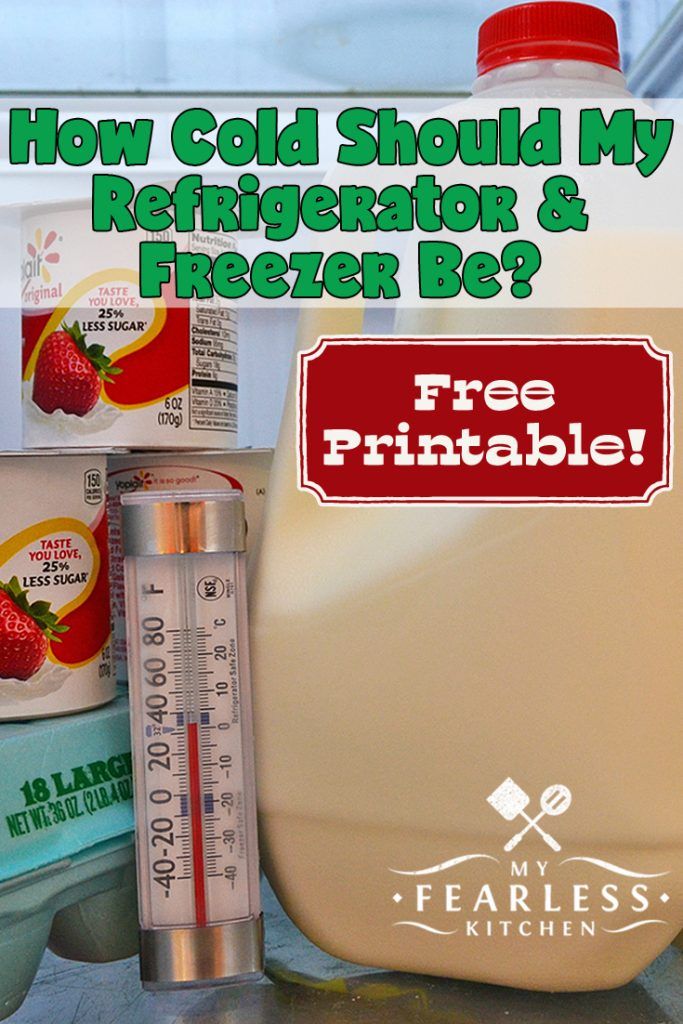
To check the accuracy of your setting, place a standalone thermometer in a cup of water and leave it in the center of the freezer compartment. Avoid using the built-in display of the unit for calibration purposes, as these can be inaccurate. By checking the actual air temperature with a reliable thermometer, you guarantee that your food is actually freezing at the correct rate, safeguarding its integrity.
Maintenance and Energy Efficiency
Maintaining the correct temperature isn't just about food safety; it is an energy-saving strategy as well. A freezer working harder than necessary to stay cold due to a misaligned setting will drive up your electricity bill. Furthermore, ensuring the door seal is tight and the condenser coils are dust-free helps the unit maintain the 0°F target without short-cycling, which stresses the internal components.


Best Practices for Temperature Management
Consistency is the enemy of a cold freezer. Avoid leaving the door open for extended periods and ensure hot food has cooled to room temperature before wrapping it tightly. Organizing the freezer so that air vents remain unobstructed allows the cold air to circulate evenly. This steady circulation prevents hot spots from forming and ensures every item in the unit remains at the safe, recommended temperature.


Related Articles
The Ultimate Guide to Fridge Freezer Temperature Settings: Optimize Food Safety & Efficiency
Getting your fridge freezer temperature settings right is one of the simplest yet most effective ways to reduce food waste, lower your energy bills, and ensure...

The Ultimate Guide to Freezer Temperature for Ice Cream: Perfect Scoops Every Time
Maintaining the correct freezer temperature for ice cream is a critical detail that significantly impacts texture, flavor retention, and overall enjoyment...

What Degree is Medium Heat? The Perfect Cooking Temperature Guide
When following a recipe, instructions that specify a medium heat setting are common, yet the exact definition of this term can vary. The confusion often arises...

The Ultimate Guide to Upright Freezer Temperature: Settings, Troubleshooting & Efficiency
Maintaining the correct upright freezer temperature is the single most important factor in preserving food safety, quality, and value. Most household and...

Perfect Chicken Breast Temperature: Safe Cooking Guide
Getting the chicken breast temperature right is the difference between a juicy, flavorful meal and a dry, disappointing one. Whether you are searing a steak or...

The Ultimate Guide to Water Temperature for Hydroponics: Optimal Ranges for Maximum Growth
Water temperature is one of the most critical, yet frequently overlooked, variables in successful hydroponic gardening. Unlike soil-based systems where the...