The Ultimate Guide to Fridge Freezer Temperature Settings: Optimize Food Safety & Efficiency
Getting your fridge freezer temperature settings right is one of the simplest yet most effective ways to reduce food waste, lower your energy bills, and ensure the food you eat is safe and tastes its best. Most people set the thermostat and then forget about it, but ambient temperature, how full the appliance is, and even the time of year can throw your carefully balanced environment off kilter. Understanding the science behind the numbers and knowing how to adjust for real-world conditions keeps your food fresh for longer.
The foundation of any good kitchen storage strategy is knowing the target numbers. Health and food safety organizations around the world agree on a specific range designed to slow the growth of harmful bacteria while maintaining food quality. For the fridge compartment, the ideal temperature is between 0°C and 4°C (32°F and 39°F). This cool, but not freezing, environment significantly slows microbial activity without causing items like lettuce or dairy to freeze. The freezer section, on the other hand, needs to be at -18°C (0°F) or colder to keep food safe indefinitely, halving the activity of enzymes and microbes that cause spoilage.
Why These Specific Numbers Matter
These recommendations are not arbitrary; they are based on extensive research into bacterial growth and food preservation. At temperatures above 4°C, bacteria such as Salmonella and E. coli can begin to multiply rapidly, increasing the risk of foodborne illness. Keeping your fridge at or below 4°C provides a critical safety buffer, especially for high-risk items like cooked meats, ready-to-eat salads, and dairy products. In the freezer, maintaining a temperature of -18°C or lower stops the growth of pathogens entirely and preserves the cellular structure of food, preventing the dreaded freezer burn that ruins texture and flavour over time.


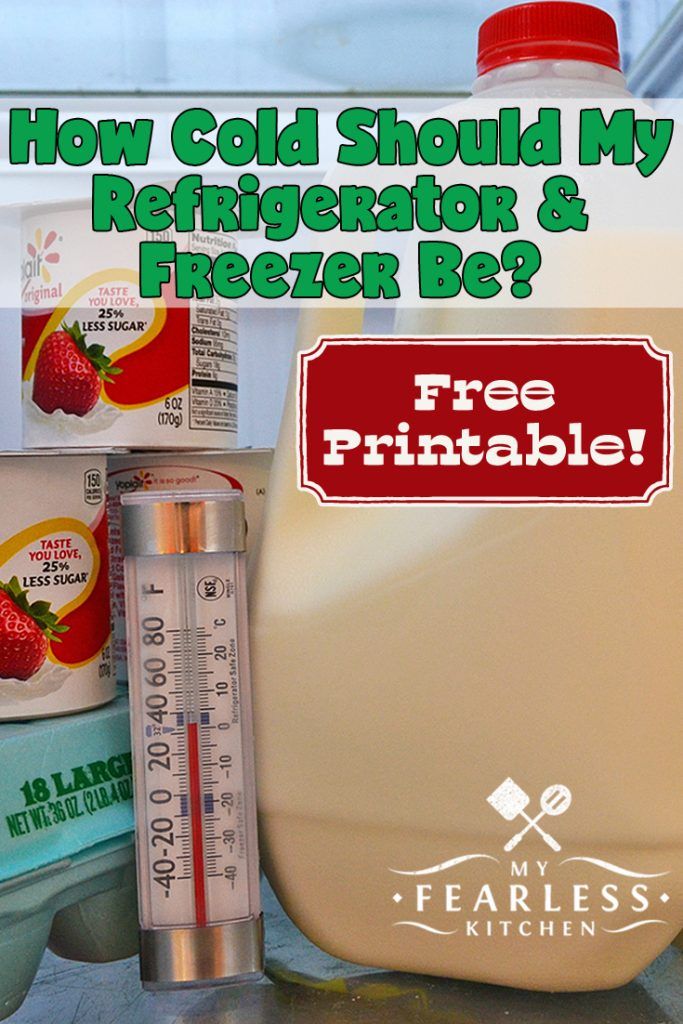
Even when you set the thermostat correctly, several factors can cause the internal temperature to drift. A fridge or freezer that is stuffed to the brim will have pockets of warm air, while one that is too empty can suffer from fluctuating temperatures every time the door is opened. A hot summer day or a warm kitchen location can force the appliance to work overtime, while a poorly sealed door or a cracked gasket lets cold air escape. It is a good idea to use a standalone appliance thermometer to check the actual temperature in the main compartment and the back of the freezer, rather than relying solely on the built-in display, which can be inaccurate.
Seasonal Adjustments and Energy Efficiency
Your fridge freezer temperature settings might need a seasonal tune-up. During the winter, if the ambient temperature is low, the appliance might struggle to reach its usual settings, or you might be tempted to turn the thermostat down further. Conversely, in the peak of summer, the appliance will work harder, and you might find that the internal temperature is slightly higher than the setting suggests. A quick adjustment of a tenth of a degree can compensate for this, but avoid drastic changes that could push the fridge into freezing territory for delicate items.


Finding the right balance between performance and energy efficiency is a constant negotiation. Every degree colder than the recommended setting can increase your energy consumption by up to 5%. To optimize efficiency without compromising food safety, ensure the appliance is level, the coils are dust-free, and the door seals are clean and flexible. Avoid placing the fridge next to a heat source like an oven or in direct sunlight, and let hot leftovers cool to room temperature before sealing them inside, which reduces the thermal load on the unit.
Practical Maintenance and Monitoring Tips
Consistency is the real hallmark of a well-managed appliance, and this starts with simple habits. Try to minimize how often and how long you open the door, as this is the biggest cause of temperature swings. When organizing your stock, group items logically and ensure that air vents are not blocked by stacked containers. Regularly defrosting a manual-defrost freezer when the ice buildup exceeds 5mm ensures the unit runs smoothly and maintains the -18°C target far more effectively than struggling with a thick layer of frost.
To keep on top of things, schedule a quick monthly check with a reliable thermometer placed in a glass of water in the center of the fridge and another on the top shelf in the freezer. Write down the readings to track any trends, especially if you notice a gradual increase in temperature that could signal a failing component. By treating your fridge freezer temperature settings as a dynamic part of kitchen maintenance rather than a "set and forget" task, you protect your investment, support your health, and ensure that the food you buy is enjoyed at its peak.



Related Articles

The Ultimate Guide to Upright Freezer Temperature: Settings, Troubleshooting & Efficiency
Maintaining the correct upright freezer temperature is the single most important factor in preserving food safety, quality, and value. Most household and...

The Ultimate Guide to Organizing Your Fridge: Maximize Space, Food Freshness & Efficiency
An organized fridge is not just about aesthetics; it is a fundamental strategy for reducing food waste, saving money, and streamlining your daily cooking...

The Ultimate Guide to Automatic Water Shut Off Valve: Safety & Efficiency Explained
An automatic water shut off valve represents a critical advancement in modern home protection, functioning as a silent guardian against the devastating effects...

The Ultimate Cheecake Fridge Freezer Guide: Perfectly Chilled Delights
Storing a decadent dessert requires more than just a quick glance at the kitchen counter; the decision between a cheesecake fridge or freezer setup is crucial...

The Ultimate Guide to Cleaning Your Dryer Exhaust Duct: Safety & Efficiency Tips
Few household maintenance tasks are as consistently overlooked as cleaning the dryer exhaust duct. While the lint trap is dutifully cleared after every cycle...

Master Iron Heat Settings: The Ultimate Guide To Temperature Control
Understanding iron heat settings is the single most important factor in achieving professional results with your garments. Whether you are pressing a crisp...