The Pine Tree Growth Cycle: Stages From Seed to Towering Giant
The pine tree growth cycle is a testament to nature’s resilience, unfolding over decades and sometimes centuries. From a tiny seed to a towering giant, the journey of a pine is marked by distinct stages shaped by genetics and environment. Understanding this cycle reveals how these conifers have mastered survival in diverse climates across the globe.
Germination: The Spark of Life
Everything begins with a seed, but pine germination is a carefully timed event. Seeds require specific conditions to break dormancy, often involving a period of cold stratification during winter. Once warmth returns in spring, and moisture is adequate, the seed absorbs water and begins metabolic activity. A primary root emerges first, anchoring the seedling and seeking water, followed by the shoot pushing through the soil towards the light.
Seedling Establishment: A Delicate Phase
The first few years are the most vulnerable for a young pine. Seedlings compete fiercely for sunlight, water, and soil nutrients. They are susceptible to drought, fungal diseases, and being browsed by wildlife. During this stage, the focus is entirely on developing a robust root system and a sturdy stem, laying the foundation for future vertical growth. Healthy seedlings often display a dense canopy of juvenile foliage, which is different from the adult needles.


The Juvenile and Mature Stages
As the tree enters adolescence, growth accelerates. This juvenile phase is characterized by rapid height increase and the formation of the primary branches. The tree begins to photosynthesize more efficiently, storing energy for the long haul. Transitioning to the mature stage, the pine adopts its iconic form. This is when it starts producing the characteristic needles in bundles, the bark thickens, and the tree becomes sexually mature, capable of producing its own seeds for the next generation.
Reproduction and the Cone Cycle
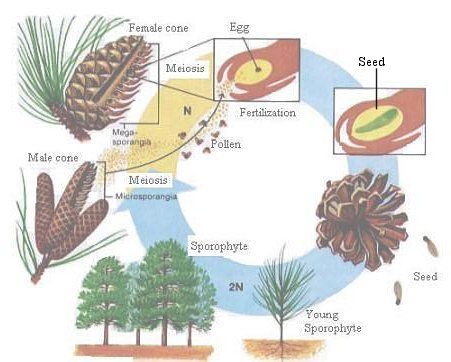
Reproduction is a spectacular event in the pine tree growth cycle. Pines are monoecious, meaning they carry both male and female cones on the same tree. Male cones release clouds of pollen in the spring, which is carried by the wind to female cones. Fertilization occurs, and the female cones slowly mature over the course of one to three years, depending on the species. These cones, often seen hanging from the branches, are the embodiment of the tree’s reproductive success, eventually opening to release seeds.


Senescence and Legacy
Even the mighty pine does not live forever. As the tree ages, its growth slows, and it may become more susceptible to pests, diseases, and environmental stress. However, the cycle does not end with the tree’s death. A mature pine provides a vital habitat for countless species long after it has stopped growing. When it finally falls, it decomposes, enriching the soil and allowing new seedlings to thrive in the niche it once occupied, thus completing the eternal cycle of life.
Environmental Influences on Growth
No two pine trees grow exactly alike. The specific environment plays a huge role in dictating the pace and form of the growth cycle. Factors such as soil pH, altitude, sunlight exposure, and precipitation create unique conditions for each tree. For instance, pines in harsh, high-altitude environments might grow slowly and remain stunted, while those in ideal lowland conditions can achieve impressive height and girth. This adaptability is key to their global success.
| Growth Stage | Key Characteristics | Duration |
|---|---|---|
| Germination | Seed sprouting, root establishment | 2-4 weeks |
| Seedling | Vulnerable, developing roots and shoots | 1-3 years |
| Juvenile | Rapid height growth, branching | 5-15 years |
| Mature | Seed production, full canopy | Decades |
| Senescence | Slowed growth, increased vulnerability | Variable |




Related Articles

Mung Bean Plant Growth Stages: From Seed to Harvest
The journey of the mung bean from a tiny seed to a mature plant ready for harvest is a fascinating process governed by distinct growth stages. Understanding...

Ghost Pepper Growth Stages: From Seed to Superhot Harvest
The journey of a ghost pepper, from a dormant seed to a fiery, ripe fruit, is a fascinating process dictated by genetics and environment. Understanding these...

The Complete Guide to Coleus Growth Stages: From Seed to Stunning Shrub
Observing a Coleus plant is like watching a living piece of art transform daily. Understanding the coleus growth stages provides invaluable insight into the...

Petunia Growth Stages: From Seed to Bloom Gorgeous
Petunias are a gardener’s favorite for their vibrant colors and ability to fill spaces with life, but their journey from a tiny seed to a full-blown bloom is...

The Life Cycle of an Oak Tree: From Acorn to Majestic Giant
An oak tree begins its journey as a tiny acorn, a hard-shelled seed holding the genetic blueprint for a living giant that can stand for centuries. This initial...

From Seed to Sprout: The Complete Stages of Avocado Seed Growth图解
The journey of an avocado seed from a dormant pit to a vibrant seedling is a fascinating process driven by intricate biological mechanisms. Understanding these...