The Life Cycle of an Oak Tree: From Acorn to Majestic Giant
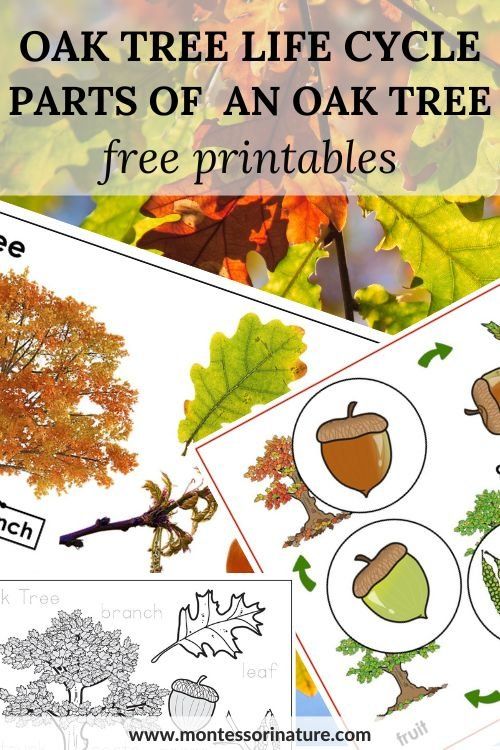
An oak tree begins its journey as a tiny acorn, a hard-shelled seed holding the genetic blueprint for a living giant that can stand for centuries. This initial stage is one of profound dormancy, where the embryo inside waits for the precise combination of moisture, temperature, and light to trigger germination. The life cycle of an oak is a testament to resilience and patience, a multi-decade saga of survival and growth from a barely visible point to a majestic pillar of the forest.
The Spark of Life: Germination and Early Growth
For an acorn to transition into a seedling, it must first break dormancy. This process, known as imbibition, occurs when the acorn absorbs water, causing it to swell and soften the shell. Once conditions are favorable, the embryonic root, or radicle, emerges and begins its descent into the soil in search of moisture and stability. Within weeks, a sturdy shoot pushes upward, breaking through the forest leaf litter to seek the life-ganging energy of the sun.
Overcoming the Challenges of Saplinghood
The young oak sapling faces a gauntlet of environmental challenges that test its will to survive. It must compete with surrounding grasses and shrubs for precious sunlight and nutrients, while remaining vigilant against the appetites of insects, deer, and other herbivores. During this rapid vertical growth phase, the tree prioritizes height and structural integrity, developing a strong trunk and a network of roots that anchor it firmly against the elements.


The Slow Ascent to Maturity
As the sapling matures into a young tree, the pace of growth gradually slows, and the tree begins to allocate energy toward widening its girth and expanding its crown. This stage is critical for establishing the tree's overall form and structure. Branches extend and thicken, creating the complex canopy that will eventually provide shelter for countless species of birds, insects, and mammals. It is during these formative decades that the tree develops the character and resilience that will define its long life.
Reaching Full Adulthood
After potentially two or three decades, the oak reaches its prime. It enters a stage of relative stability where it focuses less on rapid growth and more on reproduction and maintenance. The canopy becomes lush and dense, filtering light to the forest floor and regulating the microclimate around its base. This mature phase is where the tree exerts its greatest influence on the ecosystem, acting as a carbon sink, a water regulator, and a cornerstone of biodiversity.


The Reproductive Cycle and Legacy
Most oak species begin producing their first viable acorns between 20 and 50 years of age, depending on the species. These nuts are the culmination of the tree’s reproductive efforts, containing the next generation of genetic material. The cycle continues as mature trees drop thousands of acorns, ensuring the survival of the species even if many of the seeds fall prey to rodents or fail to find suitable soil. A single, healthy oak can continue this prolific output for hundreds of years.
Centuries of Service and Senescence
Unlike annual plants, oaks do not have a predetermined expiration date. They possess an inherent capacity for self-renewal, compartmentalizing damage and continuing to grow year after year. As the tree ages, it may hollow out, losing internal heartwood while the outer sapwood remains active and vibrant. It can stand as a silent sentinel, a living monument to history, long after its youth has faded.
The Final Chapter: Decomposition and Rebirth
Eventually, the aging oak reaches the end of its natural lifespan, succumbing to disease, storm damage, or simply the cumulative stress of centuries. What might seem like an end is, in fact, a vital transition. The fallen trunk and decaying branches become a habitat in themselves, hosting fungi, insects, and new plant life. As the wood slowly returns to the earth, it nourishes the soil, completing the life cycle by providing the foundation for future oaks to rise from the forest floor.




Related Articles
The Life Cycle of an Oak Tree: From Acorn to Majestic Canopy
An oak tree begins its journey not as a towering giant, but as a tiny seed carried by the wind, an animal, or simply by the fall of its parent. This initial...

The Life Cycle of a Worker Bee: From Hive to Pollination Powerhouse
The life cycle of a worker bee is a remarkable journey of transformation and dedication, beginning as a single egg and evolving into a highly specialized...

The Papaya Life Cycle: From Seed to Sweet Fruit
From a tiny seed nestled in warm soil to a sun-dressed tree heavy with golden fruit, the papaya life cycle is a remarkably efficient journey of tropical...

The Amazing Daisy Flower Life Cycle: From Seed to Bloom
The journey of a daisy, from a tiny seed to a vibrant bloom, is a testament to the intricate and resilient nature of plant life. Understanding the daisy flower...

Stages of Plants Life Cycle: From Seed to Sprout to Bloom
The journey of a plant, from a tiny speck of seed to a mature producer of new life, is a fascinating sequence of biological events. Understanding the stages of...

From Acorn to Anchor: The Mighty Growth of an Oak Tree
The journey of an oak tree from a humble acorn to a towering giant is one of nature’s most profound narratives of resilience and transformation. This process...