Effortless Shine: Expert Limescale Removal for Shower Doors
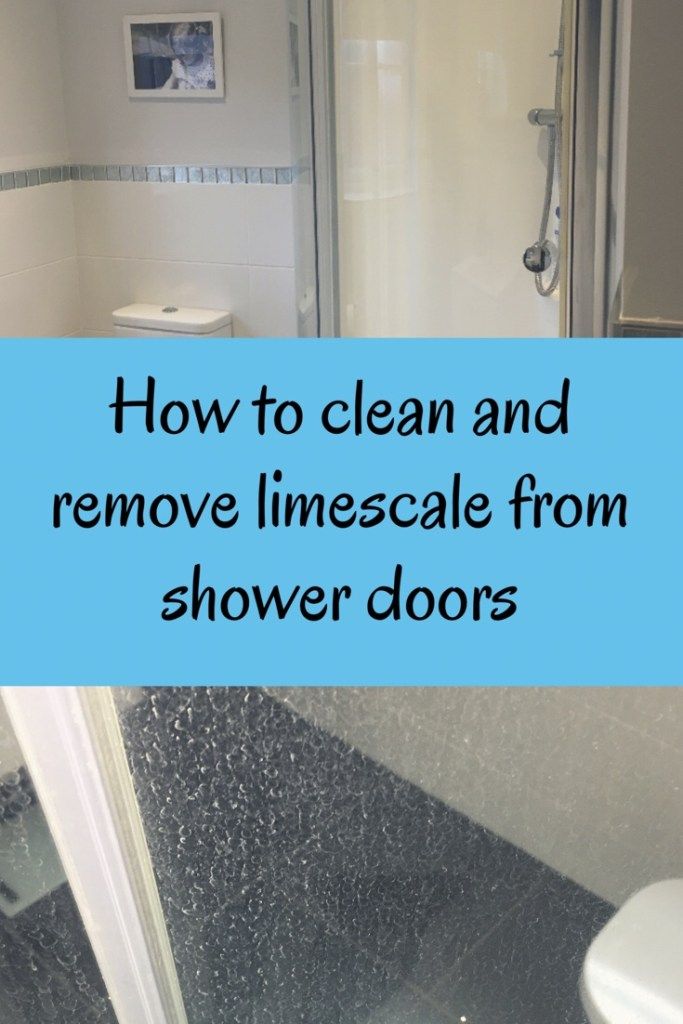
Few things are as frustrating as a pristine, modern shower ruined by a filmy layer of hard water deposits. Limescale on shower doors transforms clear glass into an opaque, cloudy mess, making it difficult to see out and creating a persistent cleaning headache. This stubborn white residue is primarily composed of calcium and magnesium carbonates that are left behind when hard water evaporates. While often dismissed as a simple cosmetic issue, these mineral deposits can etch surfaces over time and create the perfect environment for soap scum to take hold. Understanding how this buildup occurs is the first step toward effective prevention and removal.
How Limescale Forms on Your Glass
The science behind limescale is straightforward yet unavoidable in certain water conditions. As water heated by your water heater flows over the glass, it begins to evaporate. This evaporation leaves the dissolved minerals, which cling to the surface of your shower doors. Heat accelerates this process, which is why you often see the heaviest buildup on the lower edges and corners where water tends to pool and dry. Poor ventilation exacerbates the problem, as steam lingers longer, allowing more time for minerals to settle. Even city water with moderate hardness can lead to significant buildup if the water is consistently heated and sprayed across glass surfaces.
Effective Cleaning Strategies
When it comes to removing existing limescale, you need solutions acidic enough to dissolve the mineral deposits without damaging your glass. Store-bought acidic cleaners are effective, but many homeowners find success with natural alternatives. A paste made from baking soda and water can act as a gentle abrasive for scrubbing. For a powerful chemical reaction, a spray of white vinegar or lemon juice left to sit for 10 to 15 minutes will break down the bonds holding the calcium deposits. After applying your chosen cleaner, a soft sponge or microfiber cloth is essential to wipe away the softened residue without scratching the surface.


Vinegar Soak Technique
For framed glass doors or fixtures that cannot be easily removed, a bag-and-rubber-band method works wonders. Pour white vinegar into a small plastic bag, secure it over the affected area with a rubber band, and let it sit overnight. The concentrated vapor dissolves the limescale without requiring aggressive scrubbing. In the morning, remove the bag and wipe the area clean with a damp cloth. This technique is particularly useful for intricate hardware and the edges of the door where a cloth cannot reach effectively.
Preventing Future Buildup
While cleaning is necessary, prevention is the most efficient strategy for managing limescale. The easiest and most effective method is to adopt a simple post-shower routine. Using a squeegee to wipe down the glass removes the water droplets before they have a chance to evaporate and leave minerals behind. This single habit reduces the frequency of deep cleans dramatically. Additionally, keeping the bathroom door open or running the exhaust fan during and after showers helps reduce humidity, allowing surfaces to dry faster and discouraging mineral adherence.


The Role of Water Softeners
For households dealing with consistently hard water, the root of the problem may lie in the water supply itself. A whole-house water softener exchanges calcium and magnesium ions for sodium or potassium ions, preventing minerals from forming scale. Alternatively, showerhead filters with built-in scale inhibitors can protect the fixture itself. While these solutions require an upfront investment, they save time and money on cleaning products and protect not just your shower doors but also your plumbing fixtures and appliances from the long-term damage caused by mineral deposits.
Protecting Your Investment
If your shower doors are coated with anti-fog or easy-clean technology, harsh abrasive cleaners or scouring pads can strip these protective layers, making the problem worse over time. Always check the manufacturer's recommendations before applying any chemical agent. For natural stone or luxury metal finishes, gentler approaches are required to preserve the material integrity. Consistent maintenance with a soft cloth and mild soap ensures that the protective coating remains intact, providing a barrier against future limescale adhesion and keeping the transparency of the glass intact.
When to Call a Professional
In some cases, limescale buildup becomes so severe that it etches the glass surface, creating permanent roughness and dull spots. If your doors have been neglected for an extended period and household cleaners no longer restore the clarity, the damage may be irreversible without professional restoration. A professional cleaning service uses advanced techniques, such as specialized polishing compounds, to buff out the etches. While this is an added cost, it is often the only way to restore obscured glass to a state where privacy and aesthetics are balanced once more.


Related Articles
Effortless Shine: How to Remove Limescale from Shower Glass Fast
Limescale on shower glass is a common problem that transforms a clear, sleek surface into a cloudy, stained mess. This buildup is primarily composed of hard...

Effortless Shower Glass: Limescale Removal and Prevention Guide
That persistent white film clinging to your shower glass is more than just an eyesore; it is a battlefield where hard water minerals wage a constant war...

Chrome Shower Squeegee: Sparkling Clean, Effortless Shine
Stepping out of a hot shower, only to face a foggy mirror and a wet counter, is a frustration anyone who values a clean space can relate to. The seemingly...

Sparkling Shower Doors: Expert Cleaning Tips & Tricks
Shower doors bear the brunt of every hot shower, accumulating hard water stains, soap scum, and mineral deposits that can make even the most modern bathroom...

Effortless Stain Removal: Expert Tips to Clean Leather Car Seats
Leather car seats represent a significant investment in both comfort and aesthetics, demanding a specialized approach to maintenance. Unlike fabric, leather...

Effortless Acrylic Tub Stains Removal: Expert Cleaning Tips
An acrylic tub stains can turn a relaxing soak into a frustrating cleaning chore, but understanding the root cause is the first step toward a pristine surface...