Effortless Shine: How to Remove Limescale from Shower Glass Fast
Limescale on shower glass is a common problem that transforms a clear, sleek surface into a cloudy, stained mess. This buildup is primarily composed of hard water minerals, specifically calcium and magnesium carbonates, left behind as water evaporates. While it might seem like a stubborn permanent fixture, removing limescale is a manageable task with the right techniques and a bit of know-how.
Understanding the enemy is the first step to defeating it. The white, chalky deposits you see are the result of mineral-rich water drying on the glass. The heat from a warm shower can accelerate this process, causing the minerals to crystallize and bond firmly to the surface. The longer the limescale is left untreated, the more difficult it becomes to remove, often requiring more aggressive cleaning strategies.
Gathering Your Cleaning Arsenal
Before you begin the cleaning process, it's important to assemble the right tools. Using the wrong products, particularly harsh abrasives, can scratch the glass and cause permanent damage. Aim for solutions that are effective yet gentle on the surface to restore clarity without compromising your shower enclosure.
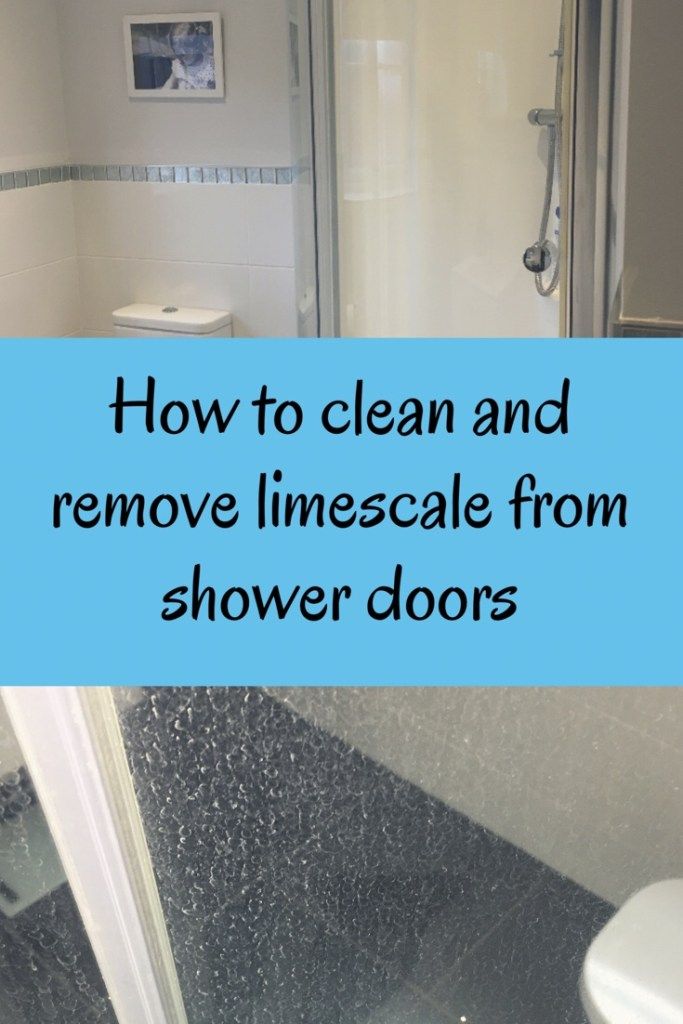


The ideal arsenal for tackling limescale is often found in common household items. You will want to gather:
- Distilled white vinegar
- Baking soda
- A spray bottle
- A soft sponge or microfiber cloth
- A rubber scraper
The Power of Vinegar Solutions
White vinegar is widely regarded as one of the most effective and accessible cleaning agents for limescale removal. Its mild acid content works to dissolve the mineral deposits without the need for toxic, expensive chemicals. The key is using it correctly to maximize its power.


For a straightforward application, create a 50/50 solution of white vinegar and water. Spray the mixture generously onto the affected glass surfaces and let it sit for at least 15 minutes. This soaking period is critical, as it gives the acid time to break down the crystalline structure of the limescale. For heavier buildup, you can apply the vinegar solution and cover the area with a damp cloth to prevent it from drying too quickly.
Creating a Baking Soda Paste
In cases where limescale is particularly thick or has started to harden, a baking soda paste provides the necessary gentle abrasion. Baking soda acts as a mild scrubbing agent that helps to dislodge debris without scratching the glass.
To create the paste, mix baking soda with a small amount of water until it reaches a consistency similar to toothpaste. Apply this paste directly to the remaining limescale spots. Let it sit for a few minutes to loosen the deposits. After allowing the paste to work, use your vinegar solution again to rinse it away. The combination of the chemical action from the vinegar and the physical action of the baking soda is highly effective.


Mechanical Removal with a Scraper
While chemical solutions loosen the bond, a high-quality rubber scraper is the most efficient tool for physically removing the limescale. Using a scraper prevents the need for excessive wiping, which can spread the minerals around and grind them into the glass.
After the cleaning solution has had time to work, hold the scraper at a 45-degree angle to the glass. Gently drag it across the surface in a single, smooth motion. You should see the cloudy deposits lift off cleanly in streaks. Rinse the scraper frequently to clear the mineral build-off, and continue the process until the glass is clear. This step often provides immediate and satisfying results.
Preventing Future Buildup
Once you have successfully restored your shower glass to its original clarity, the focus should shift to prevention. Regular maintenance is significantly easier than deep cleaning and will keep your shower looking new for years.


Implementing a simple post-shower routine can make all the difference. Keeping a squeegee in the shower and using it to wipe down the glass after each use removes the water that causes limescale in the first place. For a more advanced solution, consider installing a water softener or using a specialized shower filter to reduce the mineral content in the water at its source.
Related Articles
Effortless Shine: Expert Limescale Removal for Shower Doors
Few things are as frustrating as a pristine, modern shower ruined by a filmy layer of hard water deposits. Limescale on shower doors transforms clear glass...

Effortless Shower Glass: Limescale Removal and Prevention Guide
That persistent white film clinging to your shower glass is more than just an eyesore; it is a battlefield where hard water minerals wage a constant war...

Effortless Ways to Remove Dried Boogers from the Wall
Finding dried boogers on your wall is an unpleasant but surprisingly common household problem. Whether they are the result of a child’s accident, a nosebleed...

Chrome Shower Squeegee: Sparkling Clean, Effortless Shine
Stepping out of a hot shower, only to face a foggy mirror and a wet counter, is a frustration anyone who values a clean space can relate to. The seemingly...

Sparkling Shower Glass: The Ultimate Guide to a Streak-Free Shine
Shower glass fogging up with soap scum and hard water stains is one of the most common and frustrating realities of home maintenance. The good news is that...

Effortless Clean: How to Remove Paint from Vinyl Flooring Safely
Accidentally spilling paint on your vinyl floor is a stressful moment, but it is one of the most common household accidents and entirely manageable with the...