Egg-cellent Ice Cream: Creamy Treats with a Yolk Twist
The question of whether ice cream has eggs is more nuanced than a simple yes or no answer. While the classic image of a creamy, custard-based dessert might suggest eggs are a universal ingredient, the reality is that many popular varieties are entirely egg-free. Understanding the role of eggs in frozen treats requires looking at texture, flavor, and the specific style of product you are consuming, moving beyond a binary view to explore the diverse world of frozen dairy delights.
The Role of Eggs in Ice Cream
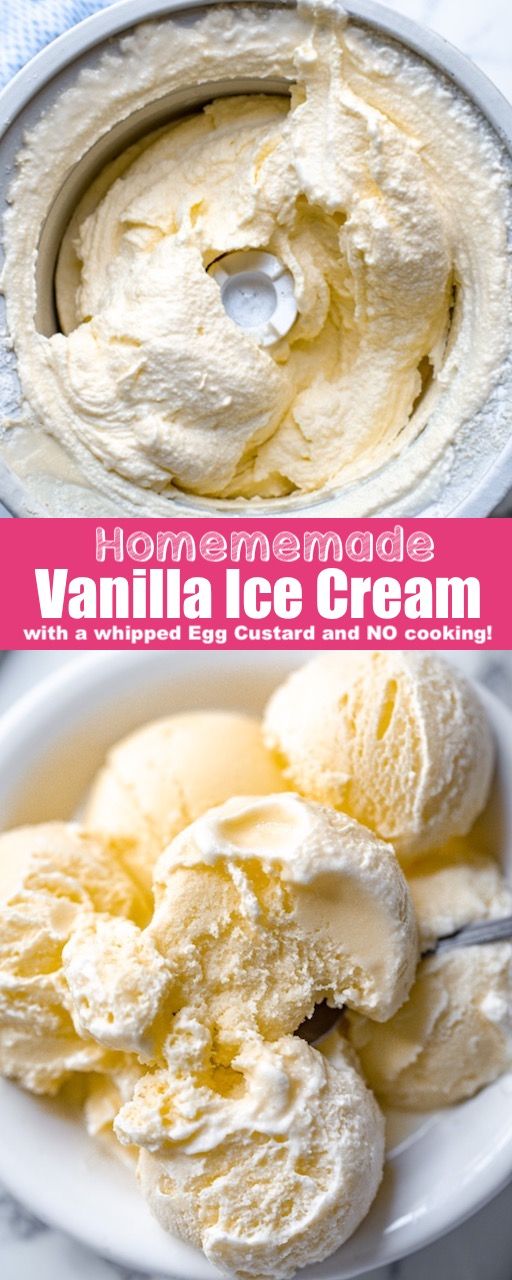
Eggs function as a powerful emulsifier and stabilizer in premium ice cream production. When used, the yolks provide fat and lecithin, which help bind water and fat together, creating a smoother, richer, and more luxurious texture that resists ice crystal formation. This results in a product that is denser and creamier than its non-egg counterparts, often described as having a silkier mouthfeel. For many artisanal and old-fashioned recipes, the inclusion of eggs is non-negotiable for achieving that specific, indulgent profile that defines classic French-style ice cream.
French-Style vs. Philadelphia-Style
The distinction between egg-based and egg-free ice cream is most clearly seen in the comparison between French-style and Philadelphia-style recipes. French-style ice cream, also known as custard-style, relies on a cooked egg yolk mixture to create its distinct richness and pale yellow color. In contrast, Philadelphia-style ice cream deliberately omits eggs, resulting in a lighter, more translucent product with a cleaner, less fatty taste. This style is often favored for vibrant fruit flavors where the egg taste might overpower the delicate notes of the main ingredient.


For consumers checking labels or following specific dietary needs, identifying the style is the first step. A French-style base will list eggs or egg yolks among the first few ingredients, while a Philadelphia variant will feature cream, milk, sugar, and flavorings without any egg derivatives. This fundamental difference dictates not just the taste but also the structural integrity of the final frozen product.
Commercial Production and Labeling
Major commercial ice cream brands typically operate on a large scale using highly optimized formulas designed for cost-efficiency and consistent shelf life. In this context, many producers opt to exclude eggs because they are a potential allergen and can increase production complexity and cost. Instead, these companies rely on plant-based stabilizers and gums, such as guar gum or carrageenan, to achieve the desired texture without the use of animal products.


Reading the ingredient list is the only definitive way to know if a specific carton contains eggs. Terms like "custard" or "French" are strong indicators of egg inclusion, while "Philadelphia" or "non-fat" often signal an egg-free profile. For individuals with an egg allergy, it is critical to look for explicit "egg-free" labeling, as cross-contamination can occur in manufacturing facilities that process both types of product.
Homemade Variations and Dietary Adaptations
For the home cook, the decision to use eggs is a matter of personal preference and desired outcome. Numerous recipes exist that successfully mimic the texture of egg-based ice cream using alternative ingredients. Cornstarch, gelatin, or specific combinations of milk solids and fats can replicate the stabilizing effect, allowing for a rich texture without the cholesterol or the distinct egg flavor. These adaptations make the beloved dessert accessible to vegans and those with dietary restrictions while still delivering a satisfying frozen treat.
Whether your preference leans toward the dense, creamy bite of an egg-enriched sundae or the light, refreshing profile of a fruit sorbus, understanding the presence or absence of eggs empowers you to make informed choices. The landscape of frozen desserts is varied, ensuring that there is a perfect, egg-conscious option for every palate.




Related Articles

Cool & Creamy Breyers Ice Cream Treats
Few desserts evoke the same sense of nostalgia and simple pleasure as a scoop of Breyers ice cream. For more than a century, the name has been synonymous with...

Can You Make Whipped Cream with Half and Half? Creamy Secrets Revealed
Half and half is a staple in many refrigerators, serving as the perfect creamy addition to coffee or a light base for sauces. When a recipe calls for whipped...

Creamy Nut Horns with Cream Cheese Recipe
Nut horns with cream cheese represent a sophisticated marriage of textures and flavors, where the delicate crunch of a toasted pastry encases a cool, tangy...

Creamy Homemade Ice Cream with Whole Milk: Easy Step-by-Step Guide
Making ice cream with whole milk is a rewarding process that delivers a rich, creamy texture you simply cannot replicate with lower-fat dairy. This method...

Creamy Swiss Cheese Scrambled Eggs Recipe
At first glance, scrambled eggs with Swiss cheese might seem like a simple breakfast staple, but this combination is a masterclass in texture and flavor. The...

Egg-cellent Healthy Meals: Delicious & Nutritious Recipes
Eggs are one of the most efficient foods you can incorporate into your daily diet, offering a powerhouse of essential nutrients in a humble package. From the...