The Ultimate Guide to Caring for Sedum: Expert Tips for Thriving Succulents
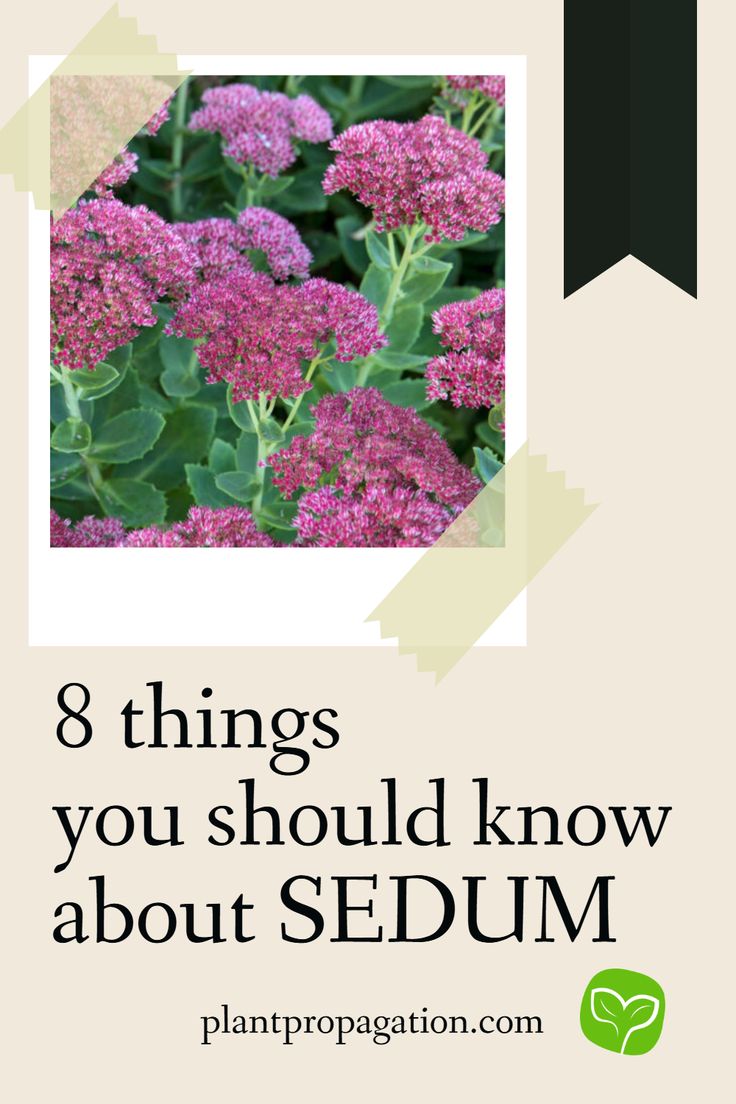
Sedum, commonly known as stonecrop, is a favorite among gardeners for its low-maintenance nature and striking foliage. While these resilient succulents are famously easy to grow, providing the right care ensures they thrive, produce abundant blooms, and maintain their structural beauty year-round. Understanding their specific needs regarding light, water, and soil is the foundation of successful sedum cultivation.
Selecting the Right Location for Sunlight
The most critical factor in caring for sedum is ensuring it receives sufficient light. Most varieties, especially those with vibrant reds, purples, or variegated leaves, require a minimum of six hours of direct, bright sunlight daily to maintain their compact form and vivid colors. In shadier conditions, they will stretch upward and become leggy, producing fewer flowers and losing their aesthetic appeal. For optimal growth, choose a spot in your garden that offers full sun exposure throughout the peak growing season.
Soil and Drainage Essentials
Sedums are highly susceptible to root rot, making soil choice and drainage paramount. They perform best in lean, gritty soil that drains incredibly quickly. Amend heavy clay or standard garden soil with coarse sand, pumice, or fine gravel to improve aeration. If planting in containers, use a specialized cactus and succulent potting mix, or create your own blend by mixing standard potting soil with a significant amount of perlite or pumice to ensure water flows through freely without pooling at the roots.


Proper watering is about frequency and method rather than volume. These plants store water in their fleshy leaves and stems, making them drought-tolerant once established. Water deeply but infrequently, allowing the soil to dry out completely between waterings. During the active growing season of spring and summer, a thorough soak every seven to ten days is usually sufficient. In the cooler months of fall and winter, significantly reduce watering to mimic their natural dormant period and prevent the roots from sitting in moist soil.
Fertilization and Seasonal Maintenance
Sedums generally do not require heavy feeding. Too much nitrogen, particularly from high-nitrogen fertilizers, can lead to excessive foliage growth at the expense of flowers and cause the plant to become weak and floppy. A light application of a balanced, slow-release fertilizer in the early spring is often adequate to support healthy growth. Avoid late-season feeding, as new growth triggered by late feeding can be vulnerable to frost damage.


Pruning and Winter Care
To encourage bushier growth and prevent flopping, pinch back the stems of taller sedum varieties in late spring or early summer. Removing spent flower clusters, or deadheading, not only improves the plant's appearance but can also encourage a second bloom in some varieties. Winter care depends on your climate; while many sedums are cold-hardy, applying a thin layer of mulch around the base after the ground freezes can protect the roots from extreme temperature fluctuations in colder regions.
td>Deep soak, allow soil to dry completely| Care Factor | Ideal Condition | Signs of Stress |
|---|---|---|
| Sunlight | 6+ hours of direct sun | Leggy growth, fading colors |
| Water | Yellowing, mushy leaves indicate overwatering | |
| Soil | Gritty, fast-draining mix | Poor drainage, root rot |
With a focus on sunny exposure, lean soil, and a light touch regarding water, sedums prove to be nearly indestructible allies in the garden. Their ability to return vigorously year after year with minimal intervention provides a reliable and beautiful foundation for any landscape design. Following these straightforward guidelines will result in robust plants that deliver a stunning seasonal show.




Related Articles

The Ultimate Guide to Caring for Succulents: Easy Tips for Thriving Plants
Succulents have captured the hearts of plant lovers worldwide, and for good reason. Their sculptural forms, vibrant colors, and drought-tolerant nature make...

The Ultimate Guide to Jade Plant Indoor Care: Expert Tips for Thriving Succulents
Bringing a jade plant into your home is a rewarding decision, but mastering how to take care of jade plant indoor setups is essential for its health and...

The Ultimate Guide to Caring for Rhododendron: Expert Tips for Lush Blooms
Rhododendrons are the jewels of the spring garden, offering explosive clusters of color that can transform a woodland border into a breathtaking spectacle...

The Ultimate Guide to Homebase Cactus Soil: Expert Tips for Thriving Succulents
Choosing the right soil is the single most important factor in successfully cultivating cacti indoors, and the term homebase cactus soil refers to the...

The Ultimate Guide to Caring for Your Leather Backpack: Expert Tips
Your leather backpack is more than just a piece of equipment; it is an investment in durability, style, and utility. Whether you use it for daily commuting...

The Ultimate Guide to Caring for Your Leather Handbag: Expert Tips & Tricks
Leather is a natural material that ages beautifully, but only with the right attention. A high-quality handbag represents an investment, both financially and...