How Long Does Chicken Take to Cook at 350°F? The Ultimate Cooking Time Guide
Understanding how long does chicken take to cook at 350 degrees Fahrenheit is essential for both home cooks and culinary professionals aiming for consistent, juicy results. This temperature, often recommended in classic recipes, provides a moderate heat that allows the meat to cook through evenly without scorching the exterior. The exact duration, however, is not a fixed number; it is a variable influenced by the cut, the starting temperature, and the desired final texture. This guide breaks down the science and practice behind roasting and baking chicken at 350°F to ensure confidence in every dish.
The Role of Cut and Size
The single most significant factor determining cook time is the specific part of the chicken being prepared. A whole bird requires a much longer duration to transfer heat from the surface to the dense center of the thigh, while thin-cut breast slices will cook in a fraction of the time. When recipes refer to "chicken," they often overlook this critical detail. To achieve success, you must align your expectations with the physical properties of the ingredient.
Breasts and Tenderloins
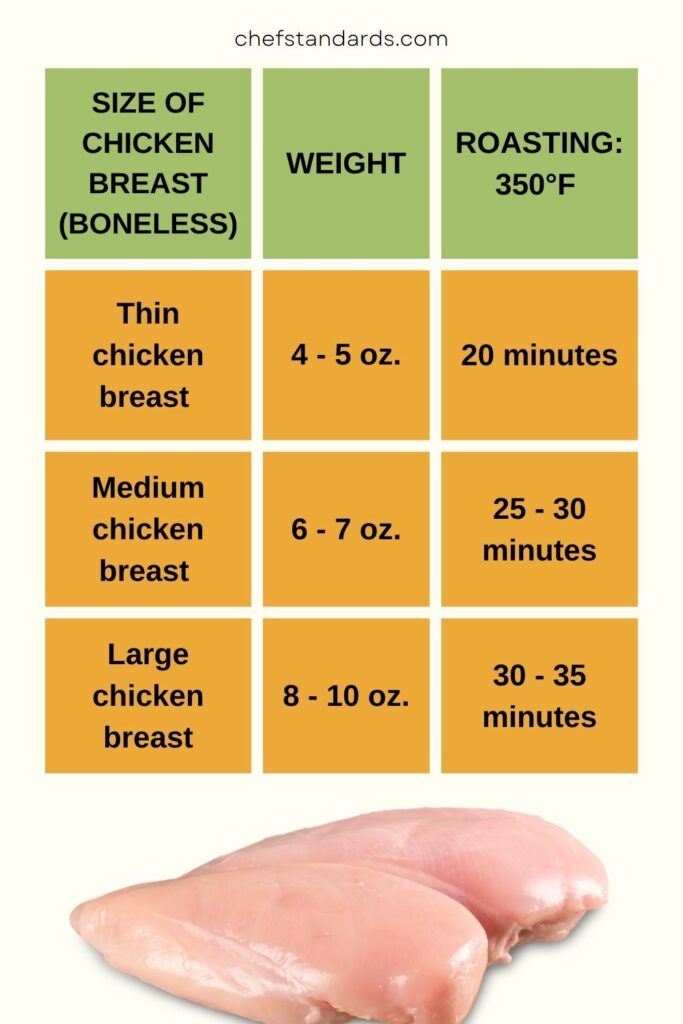
Boneless, skinless chicken breasts are lean muscles that cook relatively quickly. At 350°F, a standard 5 to 6-ounce breast typically requires 20 to 30 minutes to reach a safe internal temperature. Tenderloins, being smaller and more delicate, may finish even sooner. Overcooking this cut is a common mistake, as it leads to a dry, stringy texture. Using a meat thermometer is the most reliable method to prevent this, removing the breast just as it hits 160°F to allow carryover cooking.


Thighs and Drumsticks
Dark meat, found in thighs and drumsticks, contains a higher fat content and more connective tissue than white meat. This composition makes it more forgiving and capable of reaching higher internal temperatures without drying out. For bone-in pieces weighing between 8 to 12 ounces, you should expect a timeframe of 35 to 45 minutes at 350°F. The meat is done when the internal temperature reads 175°F and the juices run clear when the thickest part is pierced.
The Impact of Bone-In vs. Boneless
The presence or absence of bone significantly alters the cooking dynamics. Bone acts as a conductor and insulator, often slowing the cooking process slightly compared to a similarly sized boneless cut. However, it also contributes to flavor retention and can help prevent the meat from drying out during the prolonged exposure to heat. Conversely, boneless cuts cook faster and are often preferred for quick weeknight meals, but they require greater attention to avoid becoming tough.


The Influence of Temperature and Technique
While the question is "how long does chicken take to cook at 350," the environment inside your oven is just as important as the clock. Every oven has hot spots and variance in actual temperature. Professional chefs often recommend using an oven thermometer to verify the accuracy of the thermostat. Furthermore, the method of preparation—whether the chicken is roasted, baked, or covered with foil—will change the duration. Covered dishes trap steam, effectively steaming the meat and reducing cook time, while uncovered roasting encourages browning and crisping.
Visual and Textural Cues
Although temperature is the ultimate judge of safety, the cook can rely on several indicators throughout the process. As the chicken approaches doneness, the flesh will transition from a glossy, raw appearance to an opaque, firm texture. The meat will also begin to shrink slightly and pull away from the bone if applicable. When piercing the thickest part, the juices should no longer appear pink or watery but rather clear and thick. If the skin is left on, achieving a golden-brown crispness is a reliable visual signal that the fats and connective tissues have broken down sufficiently.
Safety and Carryover Cooking
Food safety dictates that poultry must reach an internal temperature of 165°F to eliminate harmful bacteria such as Salmonella. However, pulling the chicken out of the oven at this exact moment is a common error. Carryover cooking occurs because the residual heat in the meat continues to cook the interior for several minutes after removal. To ensure the final temperature lands perfectly at 165°F without overshooting, it is best to remove the chicken from the oven when it reaches 155°F to 160°F. The temperature will rise another 5 to 10 degrees while the meat rests, resulting in a perfectly cooked and safe piece of chicken.


Related Articles

Perfect Rump Roast at 350°F: Ultimate Cooking Time Guide
Preparing a rump roast at 350°F is a reliable method for achieving a tender and flavorful meal, but the exact time required depends on a few critical...

Perfect Meatloaf at 350°F: Ultimate Cooking Time Guide
Getting the cook time right for a meatloaf baked at 350°F is the difference between a moist, tender loaf and a dry, crumbly disappointment. The standard answer...

Perfect Oatmeal Cooking Time: How Long Does It Take?
When you ask how long it takes to cook oatmeal, the immediate answer is usually "about 5 to 10 minutes," but the reality is far more nuanced. The exact time...
The Ultimate Guide to How Long to Cook Chicken Breasts: Perfectly Juicy Every Time
Understanding how long to cook chicken breasts is essential for both safety and flavor. Undercooked poultry poses health risks, while overcooked breasts become...
Perfect 1 Pound Meatloaf Cooking Time: Ultimate Guide
Cooking a 1 pound meatloaf to perfection requires understanding the balance between time, temperature, and the specific ingredients that make up your recipe...

How Long Does Chorizo Take to Cook? Quick & Easy Cooking Guide
When you ask how long does chorizo take to cook, the immediate answer is that standard preparation usually takes between 5 to 10 minutes. Fresh varieties, such...