How Long Do Daffodils Last in a Vase? Bloom Time Tips
Cut daffodils bring a burst of early spring energy into the home, but their vibrant display does not last forever. Understanding the specific lifespan of these cheerful blooms helps you plan for arrangements and get the most enjoyment from your garden cuttings.
The Standard Vase Life of Daffodils
On average, healthy daffodils will remain fresh and attractive in a vase for approximately four to seven days. This timeframe represents the period where the flowers remain fully upright, vibrant, and fragrant.
Several factors influence whether your bouquet will peak at the shorter end of this spectrum or push closer to the two-week mark. The specific variety, the stage at which they were cut, and the care they receive afterward all play critical roles in determining how long daffodils last in a vase.


Critical Handling: The Toxicity Factor
Before diving into care techniques, it is essential to address a unique characteristic of daffodils that sets them apart from many other cut flowers. Every part of the daffodil contains a toxic sap, but this sap is most concentrated in the stem and sap of the flower itself.
When you cut a daffodil, this sap leaks out. If you place these stems directly into a shared vase of water with other flowers, the toxin will leak out as the stems are cut or as the flower wilts, poisoning the water and causing the other flowers to droop and die prematurely. To avoid this, always condition daffodils in their own separate vessel for 12 to 24 hours before mixing them with your other bouquet.


Optimizing the Lifespan: Care and Conditioning
To stretch their vase life toward the seven-day maximum, specific preparation steps are necessary. Proper conditioning begins in the garden.
Choose stems in the bud stage, where the flower is just beginning to show color. Avoid picking flowers that are already fully open, as they have a much shorter remaining lifespan. Once home, re-cut the stems at a sharp angle under running water or submerged in a bucket to prevent air bubbles from forming in the stem.
Remove any leaves that would sit below the waterline, as decaying foliage encourages bacterial growth, which significantly shortens the life of the arrangement.


Ideal Vase Conditions
Place the conditioned daffodils in a clean vase filled with cool water. Add a commercial floral preservative, which provides sugar for food and contains antibacterial agents to keep the water fresh.
Keep the vase away from direct sunlight, heating vents, and ripening fruit, which emit ethylene gas and accelerate wilting. Refresh the water every two days, re-cutting the stems each time to ensure maximum water uptake.
| Factor | Impact on Lifespan |
|---|---|
Comparing Daffodils to Other Spring Flowers
When planning a mixed spring bouquet, it is helpful to compare the durability of daffodils to their counterparts.


Tulips, for example, are famous for continuing to grow and even "dancing" in the vase long after they are cut, often lasting five to seven days. Daffodils are generally more reliable and consistent, typically holding their shape and color for the same duration without the dramatic vertical growth that tulips exhibit.
Hyacinths offer a similar longevity, usually lasting between four to six days, making them a good companion flower for daffodil arrangements, provided the toxicity issue is managed.
Signs of Decline
As the flowers begin to age, the process is usually gradual. You will first notice the petals losing their glossy sheen and becoming slightly translucent or papery.
The neck of the stem may soften, causing the flower head to droop downward even if the stem itself is still rigid. At this stage, removing the dying blooms from the arrangement can sometimes encourage the remaining buds to open slightly longer, though the overall vase life is largely determined by the initial freshness of the cut.
Maximizing Your Garden Display
While cut daffodils provide a stunning indoor display, the best way to enjoy their longevity is to support them while they are in the ground.
Allow the foliage to die back naturally after blooming. This process feeds the bulb for the following year. When you finally do cut the flowers for the vase, you are harvesting a renewable resource that will return stronger the next season, ensuring a reliable annual supply for your spring vase arrangements.
Related Articles

How Long Do Oleanders Bloom? Bloom Time Guide & Tips
The vibrant pink and white blossoms of the oleander are a common, yet stunning, sight in many warm-climate gardens. For those planning their landscape or...

How Long Do Gladiolus Last in a Vase? Bloom Longevity Guide
Cut gladiolus stems bring a burst of vertical color to any indoor arrangement, but their vase life is often shorter than a gardener would hope. With the right...
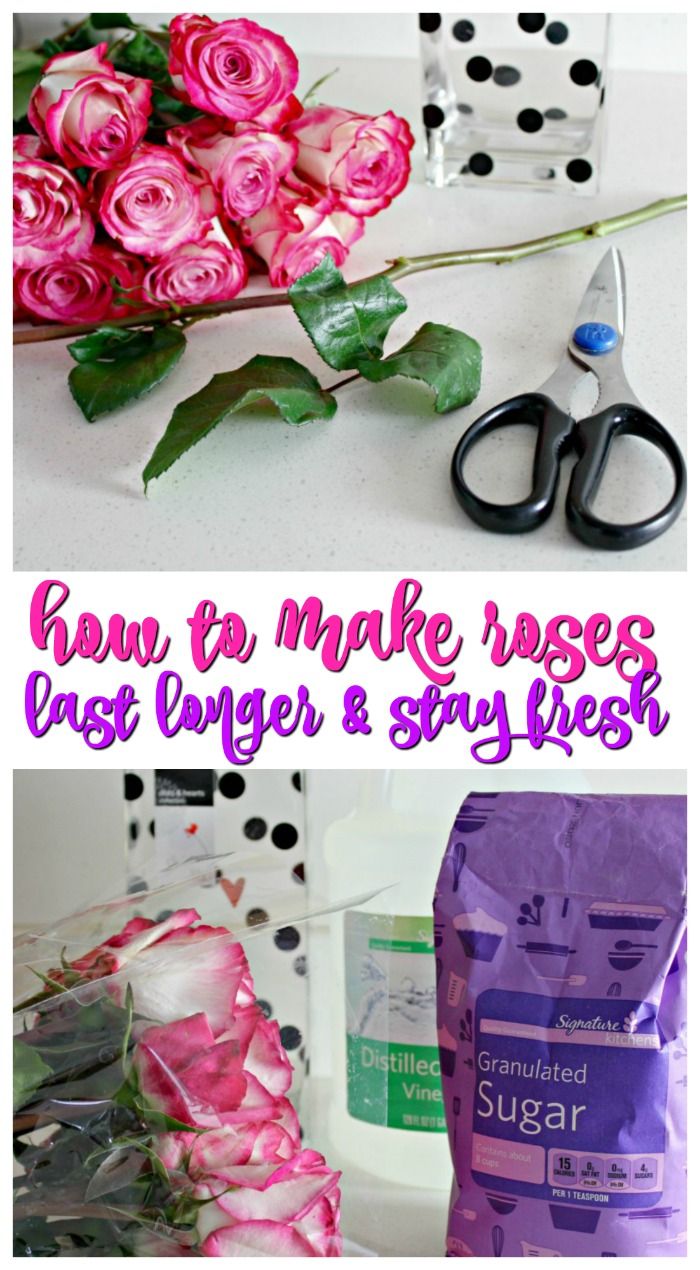
How Long Do Fresh Cut Roses Last? 💐 Expert Tips for Maximum Vase Life
Fresh cut roses arrive at your home carrying the promise of beauty and romance, but their vibrant bloom time is often shorter than you might hope...

How Long Do Bromeliads Live? Bloom Duration & Care Tips
When considering a tropical houseplant, the question of longevity is often a primary concern for new and experienced growers alike. How long do bromeliads...

How Long Do Alliums Bloom? Grow Guide & Bloom Time
The duration of allium blooms is a common question for gardeners eager to maximize the visual impact of these striking ornamental grasses. While the vibrant...

How Long Does Avocado Salsa Last in the Fridge? 🥑✨ Freshness Guide & Storage Tips
Freshly made avocado salsa is a vibrant explosion of flavor, but understanding how long does avocado salsa last in the fridge is crucial for both safety and...