Yellow vs White Light Bulbs: Which is Best for Your Home?
When choosing lighting for your home or workspace, the seemingly simple decision between yellow and white light bulbs can dramatically alter the atmosphere and functionality of a room. Often overlooked, the color temperature of your bulbs influences mood, productivity, and even your circadian rhythm. This guide cuts through the marketing jargon to provide a clear, practical comparison of warm yellow and cool white lighting.
Understanding Color Temperature: The Kelvin Scale
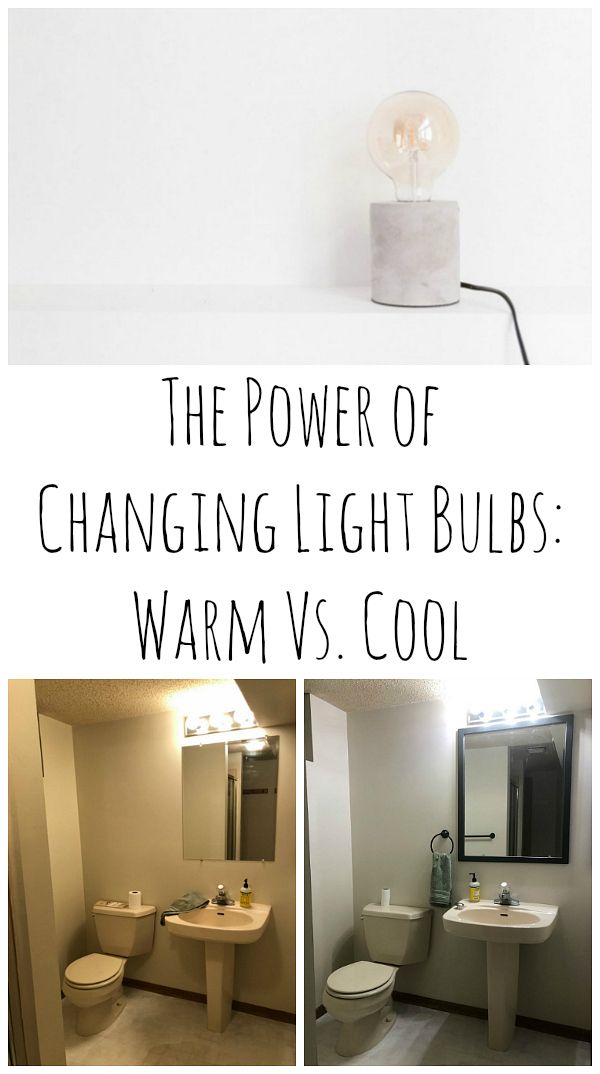
The first thing to understand is that "yellow" and "white" are not the official technical terms used to describe light. Instead, lighting professionals use the Kelvin (K) scale to measure color temperature. Think of this scale as a continuum from warm firelight to stark daylight. A yellow or warm white bulb typically sits in the 2700K to 3000K range, emitting a cozy, amber glow. In contrast, a white or cool white bulb usually falls between 4000K and 5000K, producing a brighter, more neutral light that resembles morning sunshine.
The Psychology of Yellow Light
Yellow light creates an environment that encourages relaxation and comfort. Because it has a lower color temperature, it minimizes the blue spectrum that can suppress melatonin production. This makes warm yellow bulbs ideal for areas where you unwind, such as living rooms, bedrooms, and dining areas. The soft glow reduces glare and fosters a sense of intimacy, making it easier to wind down after a long day and signaling to your body that it is time to rest.


The Psychology of White Light
White light has a stimulating and energizing effect on the human brain. Its higher color temperature promotes alertness and enhances visual clarity, which is why it is often compared to daylight. Cool white bulbs are excellent for environments that require focus and precision, such as home offices, kitchens, and workshops. The bright, even illumination helps reduce eye strain when reading or working on detailed tasks, making it the practical choice for productivity-driven spaces.
Practical Applications and Energy Use
Beyond mood, the practical differences between these two lighting options affect everyday functionality. Yellow light is often perceived as softer and more flattering, which is why it is popular in residential settings where aesthetics are key. However, it may not provide enough light for tasks like reading fine print or chopping vegetables. White light, on the other hand, offers superior visibility, making it the go-to option for workspaces, hallways, and areas requiring safety and accuracy.


| Feature | Yellow Light (2700K-3000K) | White Light (4000K-5000K) |
|---|---|---|
| Best For | Relaxation, bedrooms, living rooms | Task lighting, kitchens, offices |
| Energy Efficiency | Generally comparable; warmth does not affect kWh usage | Generally comparable; brightness does not affect kWh usage |
| LED Availability | Widely available in CFL and LED | Widely available in CFL and LED |
Making the Right Choice for Your Space
Choosing between yellow and white light bulbs does not have to be an either-or decision. Most modern homes benefit from a layered lighting strategy that incorporates both temperatures. You might use warm yellow bulbs in the living room to create a relaxing environment after sunset while utilizing cool white bulbs in the kitchen to ensure food preparation is safe and efficient. Smart lighting systems now allow you to adjust this balance with a tap on your phone, adapting your home to the time of day or your specific activity.
Ultimately, the "best" light is the one that aligns with how you use your space. If you are outfitting a reading nook or a bedroom where sleep quality is a priority, leaning toward the yellow spectrum is likely the correct move. Conversely, if you are setting up a home gym or a workshop where accuracy is vital, white light will serve you better. By understanding the science behind these colors, you can make intentional decisions that enhance both the utility and the ambiance of your home.




Related Articles

Carpet or Vinyl Flooring: Which is Best for Your Home?
Choosing between carpet and vinyl flooring is one of the most impactful decisions you will make when designing or renovating a space. Both options offer...

Porch vs Deck: Which Outdoor Oasis is Best for Your Home?
When planning an outdoor renovation, few decisions are as significant as choosing between a porch vs deck. Both structures expand your living space, connect...

Red vs Blue Toilet Paper: Which is Best for Your Home?
The choice between red toilet paper or blue toilet paper might seem trivial, but it touches on deeper questions of aesthetics, psychology, and manufacturing...

Brighten Your Day: Best Light Bulbs to Mimic Sunlight
For most of human history, lighting came directly from the sun. Our bodies and brains evolved under its full spectrum of light, which regulates circadian...

Pressure vs Suction Pool Cleaner: Which Is Best For Your Pool?
When it comes to maintaining crystal-clear water, the debate between pressure vs suction pool cleaner technology is central to modern pool upkeep. Choosing the...

White Flowering Bulbs Spring: 10 Best Blooms To Plant Now
The emergence of white flowering bulbs in spring represents one of the most elegant and transformative moments in the gardening calendar. As the last remnants...