How to Remove White Marks on Stainless Steel Pan: Easy Fixes & Prevention
Few things are as frustrating as finishing a delicious meal, only to look at your once-pristine stainless steel pan and see a chalky film or strange white spots. These white marks on stainless steel are incredibly common, yet they often cause home cooks to question the quality of their cookware. The truth is, these spots are rarely a sign of damage; they are usually just mineral deposits or residue from the cooking process. Understanding the specific cause is the first step toward restoring your pan's gleam and ensuring it continues to perform beautifully for years to come.
Identifying the Culprit: Hard Water vs. Heat Spots
The most frequent reason for white marks is hard water, specifically the mineral deposits left behind when water evaporates. If you notice a faint, dusty film across the bottom or sides of your pan after washing, it is likely calcium and magnesium from your water supply. However, not all white discoloration is external. Heat spots occur when stainless steel is overheated, causing microscopic changes to the metal's surface where it was exposed to excessive heat. These appear as permanent-looking white or rainbow-hued streaks, often forming in the areas that sit directly on an induction burner or electric coil. Learning to distinguish between these two issues is critical for applying the correct cleaning method.
The Dangers of Harsh Abrasives
When faced with these stubborn marks, the instinct is often to reach for a heavy-duty cleaner or a harsh scrub pad. While effective at removing grime, products like Comet or Bar Keepers Friend can strip the protective chromium oxide layer of the stainless steel if used too aggressively. Over time, this creates micro-scratches where food particles can lodge, leading to discoloration and making the problem worse in the future. Instead, the goal is to clean effectively while preserving the integrity of the polished surface. Opt for gentler solutions that cut through mineral buildup without compromising the pan's finish.


Effective Cleaning Strategies for Everyday Cooks
For routine white water spots, a simple, non-abrasive approach works wonders. Create a paste using baking soda and water, then apply it to the affected areas with a soft sponge or microfiber cloth. The mild alkalinity of the baking soda helps dissolve the mineral deposits without scratching. Another highly effective method involves using a 50/50 mixture of white vinegar and water. The acetic acid in the vinegar breaks down the calcium and magnesium, allowing you to wipe the residue away easily. Rinsing thoroughly and drying immediately with a soft towel is essential to prevent new spots from forming as the water evaporates.
| Cause | Appearance | Solution |
|---|---|---|
| Hard Water | Dull, dusty film | Vinegar soak or baking soda paste |
| Heat Spots | Rainbow or baked-on white residue | Bar Keepers Friend (used sparingly) |
Addressing Burnt-On Food and Stubborn Residue
White marks are not always minerals; sometimes they are remnants of food that has been scorched onto the surface. When proteins or sugars burn, they can bond to the steel and create a light-colored crust that resembles hard water stains. Soaking the pan in warm, soapy water is the best first step, as it loosens the bond between the food and the metal. For particularly tough, baked-on bits, simmering a mixture of water and baking soda inside the pan for ten minutes can lift the debris, making it effortless to wipe the surface clean with a non-abrasive pad.


Preventative care is just as important as the cleanup itself. Always dry your stainless steel cookware completely immediately after washing, as air drying is a primary culprit behind water spots. When cooking, try to keep the heat at a medium setting; stainless steel is an excellent conductor and rarely requires high heat to cook food thoroughly. Using a small amount of oil or butter creates a protective barrier between the food and the pan, reducing the chance of burning and making cleanup significantly easier the next time you use the pan.
Ultimately, white marks on your stainless steel pan are a normal part of ownership and are almost always a sign of use rather than a flaw in the product. By treating your cookware with the right cleaning solutions and a bit of care, you can keep those spots at bay. With a little vinegar, baking soda, and gentle scrubbing, your pans will return to their mirror-like shine, ready to deliver consistent, professional-grade results in your kitchen.


Related Articles

White Iron Marks on Clothes? Easy Fixes & Prevention Tips
Few things are as frustrating as pulling a freshly washed load of laundry from the machine, only to find stubborn white iron marks on clothes. These blotchy...
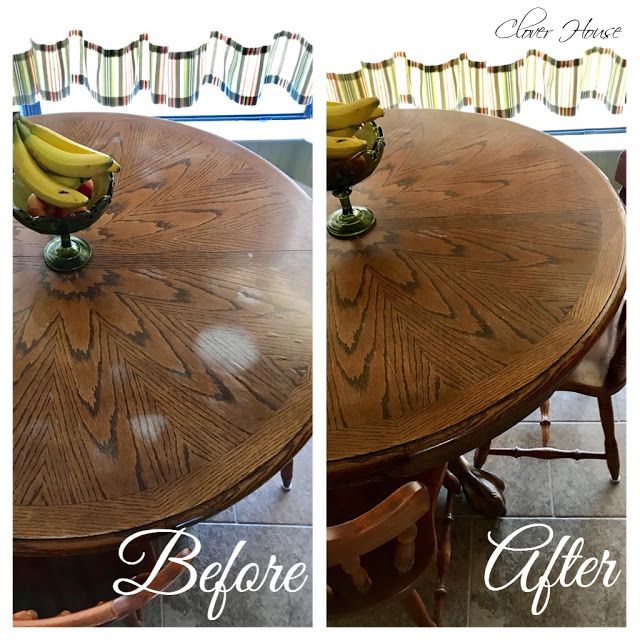
How to Remove Heat Marks from Wood Table: Easy Fixes & Prevention Tips
Few things are as frustrating as discovering a heat mark on table surface, an unsightly blemish that tells a story of a hot coffee cup or a forgotten serving...

Effortless Ways to Remove Water Stains from Stainless Steel
Water marks on stainless steel are one of the most persistent and frustrating cosmetic issues homeowners and professionals face. Often appearing as cloudy...

Stainless Steel Pan Stained? Easy Fixes & Cleaning Tips
You open the dishwasher or lift the lid of your stainless steel pot, and there it is: a stubborn, discolored stain marring the gleaming surface. This common...

Scratched Stainless Steel? Easy Fixes & Restoration Tips
Stainless steel is celebrated for its resilience and modern aesthetic, yet even this robust material is not immune to surface damage. A scratched stainless...

Remove Iron Marks on Clothes: Easy Fixes & Tips
Those stubborn grey or brown rings left on collars, cuffs, and shirt shoulders after washing are more than just an eyesore; they are a sign of oxidized iron...