White Light Bulbs vs Yellow: The Ultimate Showdown for Your Home照明
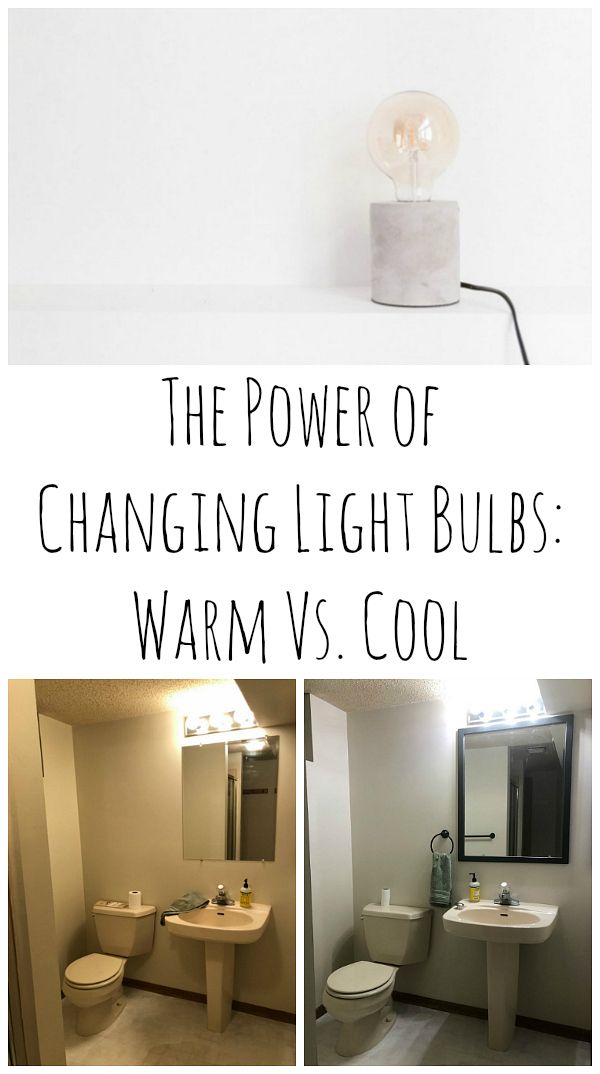
When choosing lighting for your home or workspace, the debate between white light bulbs vs yellow often comes down to the specific atmosphere and function you want to achieve. While white light, particularly the cool, neutral varieties, is often associated with sterile efficiency and modern design, yellow light evokes warmth, comfort, and a sense of intimacy. Understanding the psychological and physiological effects of these hues is crucial for creating environments that are not only visually appealing but also supportive of your well-being and productivity.
The Science of Color Temperature
The primary distinction between white and yellow lighting is measured in Kelvins (K), a unit that describes the temperature of the light emitted. Light bulbs range from warm, yellowish tones at around 2000K to cool, bluish whites at 6500K. Yellow light typically falls within the 2000K to 3000K range, producing a soft, amber glow reminiscent of candlelight or an old-fashioned incandescent bulb. In contrast, white light, especially daylight or cool white variants (4000K and above), emits a higher concentration of blue wavelengths that mimic the midday sky.
Impact on Mood and Atmosphere
The color temperature you select fundamentally alters the mood of a room. Yellow light creates a cozy, relaxing environment that lowers stress and encourages conversation, making it ideal for living rooms, bedrooms, and dining areas. Its warm hue reduces the sensation of starkness, fostering a sense of privacy and comfort. White light, due to its higher intensity and clarity, promotes alertness and focus, making it better suited for kitchens, home offices, and bathrooms where precision and visibility are key.


- Yellow Light: Inviting, intimate, and relaxing.
- White Light: Energetic, clean, and highly functional.
- Visual Perception: Yellow enhances warmth but may obscure fine details, while white provides sharp contrast for detailed tasks.
Physiological Effects and Health
Beyond aesthetics, the type of light you are exposed to can influence your circadian rhythm—the internal clock that regulates sleep and wake cycles. Exposure to white light, particularly in the evening, can suppress the production of melatonin, a hormone essential for sleep, because the blue wavelengths trick the brain into thinking it is still daytime. Yellow light, with its minimal blue content, is less disruptive to melatonin production, making it a healthier choice for winding down in the hours before bed.
Design and Aesthetic Versatility
The interaction between light color and interior design is critical. Yellow light complements earthy tones, wood finishes, and soft fabrics, adding a layer of richness and depth to textures. It can make a room feel smaller but more luxurious. White light, however, acts as a neutral backdrop, making colors appear truer to their natural state and creating an illusion of more space. This makes white light ideal for showcasing art, vibrant décor, or minimalist architecture.


| Feature | White Light | Yellow Light |
|---|---|---|
| Best For | Task lighting, modern spaces | Ambient lighting, relaxation |
| Energy Efficiency | High (LED variants) | Moderate (often incandescent style) |
| Color Rendering | High (reveals true colors) | Low (adds warm tint) |
Practical Applications and Recommendations
To maximize the benefits of both lighting types, consider a layered approach to your home illumination. Using warm yellow light in living areas creates a welcoming environment for relaxation, while installing white light in the kitchen and study areas ensures safety and efficiency. Smart lighting systems allow you to adjust the temperature throughout the day, aligning with your natural energy levels—bright white in the morning to stimulate activity and warm yellow in the evening to promote rest.
Ultimately, the choice between white light bulbs vs yellow is not about which is objectively better, but about aligning the lighting with the function and feeling of the space. By recognizing the distinct properties of each temperature, you can take control of your environment, transforming your home into a sanctuary that supports both productivity and peace.




Related Articles
Daylight Bulbs vs Bright White: The Ultimate Showdown for Your Home照明
When navigating the lighting aisle, the terms daylight bulbs and bright white often appear side by side, creating confusion for shoppers seeking the perfect...

White Oak vs Red Oak Floors: The Ultimate Showdown for Your Home
Choosing the right hardwood for your floors is one of the most impactful decisions you can make for your home’s aesthetics and value. Two names consistently...

Hardwood vs Carpet: The Ultimate Flooring Showdown for Your Home
Choosing the right flooring for your home is one of the most impactful design and lifestyle decisions you will make. The debate between hardwood versus carpet...

Latex vs Enamel Paint: The Ultimate Showdown for Your Next Project
When choosing the right finish for your next painting project, understanding the difference between latex paint vs enamel paint is crucial. While both are...

Ube vs Purple Yam: The Ultimate Showdown for Your Recipes
When navigating the vibrant world of natural ingredients, few items confuse home cooks and health enthusiasts quite as much as ube and purple yam. While they...

Electric vs Gas Mower: The Ultimate Showdown for Your Lawn
The choice between an electric and gas mower represents more than a simple purchasing decision; it reflects a shift in how homeowners approach yard care. For...