Effortless Eradication: Ultimate Guide to Removing White Heat Stains on Wood
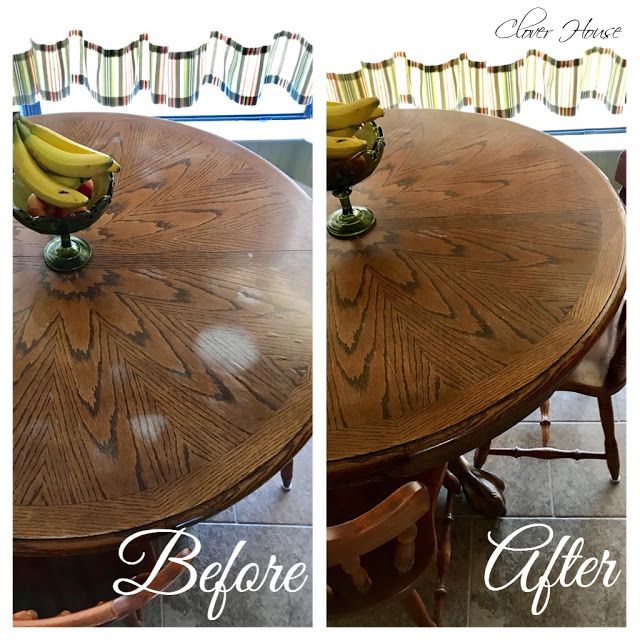
Few things are as unsettling as pulling a hot dish from the oven, setting it down on a cherished wooden table, and watching a ghostly white ring bloom across the surface. These white heat stains on wood are a common household nuisance, representing the damage caused by extreme temperatures and moisture. Understanding the science behind these marks is the first step in both preventing them and learning how to remove them effectively.
The Science Behind the Blanching
At its core, a white heat stain is a two-part chemical and physical reaction. The high temperature of a hot pot or pan drives moisture out of the hot dish itself. This steam penetrates the protective finish—whether it is polyurethane, wax, or oil—on your wood surface. Simultaneously, the intense heat causes the finish or the cellulose fibers of the wood itself to blanch, essentially bleaching the color. The result is a translucent, cloudy layer where the finish has been compromised or the wood fibers have been damaged, blocking the natural grain and luster.
Identifying the Severity
Not all heat damage looks the same, and identifying the stage of the stain dictates the repair strategy. You might encounter a surface white heat stain, which sits only on the finish and looks like a temporary watermark. Deeper damage occurs when the heat has penetrated the finish to scorch the wood fibers beneath, leaving a permanent dark mark. Finally, a melted finish occurs with very high temperatures from items like curling irons or space heaters, where the finish drips, bubbles, and hardens into a deformed texture that requires significant restoration.


Immediate Response and Prevention
When a hot item makes contact, act immediately to minimize the damage. The goal is to absorb the moisture before it drives deeper into the finish. A simple folk remedy is to place a thick layer of plain, white toothpaste or a specialized table mat over the stain and gently rub. The mild abrasives and drying agents in the toothpaste can sometimes lift the moisture without causing further abrasion. Going forward, the most effective defense is the consistent use of coasters, placemats, and hot pads to create a physical barrier between your hot items and the wood surface.
Repair Strategies for Surface Stains
If the damage is superficial, you can often restore the finish without major surgery. Begin by lightly buffing the area with a very fine-grit steel wool (number 0000) moving *with* the grain of the wood. This gentle abrasion helps to smooth out the cloudy finish and re-polish the surface. After buffing, apply a small amount of a finish-specific polish or a mixture of equal parts olive oil and vinegar. Allow it to sit for several minutes before buffing again with a clean, soft cloth to restore the sheen and blend the area.


Addressing Deeper Penetration
When a white heat stain has darkened or indicates that the finish itself is damaged, a more robust approach is required. You will need to clean the area thoroughly and then gently sand away the compromised layer. Use a fine-grit sandpaper (around 220-grit) and sand only the affected area, always moving with the grain. Be cautious not to sand too deeply and expose raw, untreated wood. Once the area is smooth and the old finish is removed, you can apply a matching finish—such as a touch-up marker, stain, or a small amount of polyurethane—to Blend the repair and protect the wood moving forward.
Handling Melted and Severe Damage
In cases where the heat has caused the finish to bubble, drip, or melt, the surface texture is physically altered. These instances go beyond a simple stain and require structural repair. Often, the damaged finish must be stripped entirely from the surrounding area, the wood smoothed, and then the entire surface refinished. This is a more advanced project, but it is the only way to restore the integrity of the piece. For valuable antiques or furniture, consulting a professional restorer is highly recommended to preserve the piece's authenticity and value.




Related Articles

Effortless Glass Care: Ultimate Guide to Removing Water Stains Streak-Free
Water stains on glass are a common sight, whether on a sparkling shower door, a gleaming kitchen window, or the surface of your favorite drinking glass. These...

Effortless Concrete Stain Removal: The Ultimate How-To Guide
Concrete is the workhorse of outdoor spaces, providing a durable and cost-effective foundation for driveways, patios, and walkways. However, its porous nature...

Zote Soap Stain Remaker: The Ultimate Guide to Removing Tough Stains
For many households, a bar of Zote soap is a staple for tackling tough cleaning jobs, from washing delicate fabrics to pre-treating stains before laundry day...

Effortless Guide to Removing Paint Pen Stains Quickly
Accidentally getting paint pen on your skin, clothing, or workspace is a frustratingly common occurrence, but removing it does not have to be a stressful...

Grandma's Stain Remover Spray: The Ultimate Guide to Removing Tough Stains Naturally
There are few things more frustrating than a family meal ruined by a stubborn stain on a cherished shirt. Whether it is the remnants of a toddler's birthday...

How to Get Rid of Sweat Stains: Ultimate Guide to Removing Yellow Stains
Sweat stains on light clothing are an unavoidable reality of daily life. Those yellow underarm marks not only feel unsanitary but can also make even the most...