Where Do You Put the Screws in Metal Roofing: A Complete Guide
Installing a metal roof involves precision, and one of the most critical details is knowing where do you put the screws in metal roofing. Proper screw placement is not just about securing the panels; it is fundamental for waterproofing, structural integrity, and the longevity of the entire roofing system. Driving screws into the wrong location can lead to leaks, stripped holes, and premature failure, making this a step that demands careful attention.
Understanding the Anatomy of a Metal Roof Panel
Before drilling a single hole, it is essential to understand the structure of the roofing material you are working with. Metal panels are not uniform sheets; they feature specific ribs, valleys, and seams designed to manage water flow. The primary goal is to fasten the panel securely to the structural deck below, typically through purlins or rafters, without compromising the panel's ability to expand and contract with temperature changes. The screw must penetrate the panel and engage the support system effectively, creating a tight, sealed connection.
The Standing Seam Advantage
For standing seam metal roofs, the location is dictated by the profile of the panel. The screws are driven directly into the flat, flat areas between the vertical legs of the seam. These flat areas, often referred to as the "field," are specifically engineered to accommodate fasteners. Driving screws into the legs of the seam itself will damage the profile and break the weather-tight seal, leading to immediate leakage issues.


Locating the Drift Line for Maximum Hold
To determine the exact horizontal placement, you must locate the drift line. This is an imaginary line running horizontally across the panel where the screw will provide the most leverage and pull-out resistance. Screwing too low places the fastener in a position where gravity can more easily pull the panel downward, while screwing too high can cause the panel to bow or deform under load. The ideal spot is typically in the upper third of the panel's width, ensuring the screw is pulling the panel tightly against the underlying structure.
Longitudinal vs. Transverse Placement
There are two directions to consider when asking where do you put the screws in metal roofing: along the length of the roof (longitudinal) and across the width (transverse).


- Longitudinal: Screws run along the ribs of the panel, following the length of the roof. This aligns the fasteners with the support structure below.
- Transverse: This refers to the spacing between rows of screws. Proper transverse spacing ensures that the load is distributed evenly and prevents the panel from "oil-canning," a visual distortion caused by improper fastening.
Edge and Trim Considerations
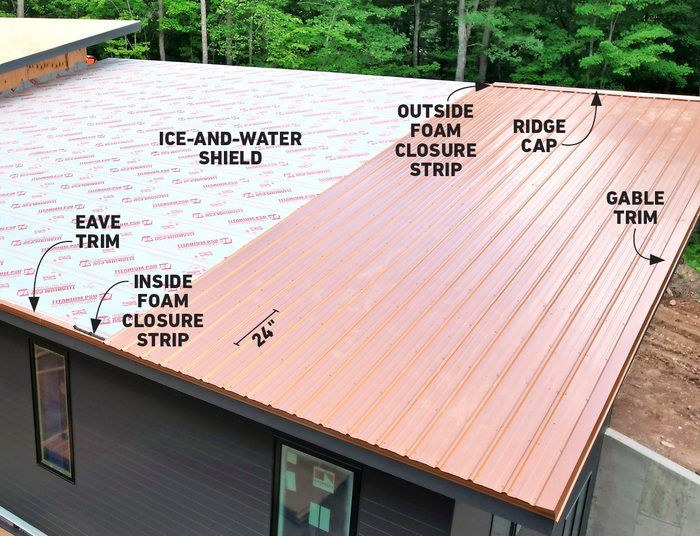
When dealing with edges, eaves, and roof hips, the rules change slightly. Fasteners must be placed far enough from the edge to prevent the metal from tearing or splitting, which usually means staying at least one and a half panel widths away from any cut edge. Additionally, trim pieces and flashing require specific screw locations to ensure a watertight transition between the roof surface and walls or other penetrations.
The Critical Role of Spacing and Pattern
Adhering to the manufacturer's recommended spacing is non-negotiable. Standard practice usually dictates screws every 12 to 24 inches on the main roof plane and every 6 to 12 inches on the edges and ridges where wind uplift is highest. The pattern—often a straight line or a staggered zig-zag—must be consistent. Staggering the screws creates a stronger, more interlocked system that enhances the roof's resistance to wind and thermal stress.
Sealing the Deal: The Washer and Backer Rod
Where the screw goes through the panel, a seal must follow. Metal roofing screws come with a rubber or neoprene washer that compresses during installation. This washer is the primary waterproofing element at the fastening point. It is crucial to ensure the washer is seated correctly and that the screw is tightened to the point where the washer flattens against the panel without over-tightening, which can damage the metal. In cold climates, using a backer rod under the washer provides additional insulation and prevents compression set.




Related Articles

Where to Watch GO: Complete Streaming Guide & Live Scores
Finding where to watch "Go" depends entirely on your geographic location and the specific service you subscribe to. The 2019 South Korean action thriller, also...

Ultimate Guide to Types of Screws and Fasteners: Complete Identification Chart
Screws and fasteners are the unseen architecture holding our world together. From the micro-sutures in delicate surgery to the colossal bolts anchoring...

Stunning Roofing Shingles Pictures: A Complete Visual Guide
When you start a new roofing project or assess damage on an existing structure, pictures of roofing shingles are an indispensable tool. Visual references...

Best Residential Roofing Types: A Complete Guide
Choosing the right roof is one of the most critical decisions for any homeowner, as it is the primary defense against the elements and a significant factor in...

Different Roofing Systems: A Complete Guide to Types, Costs, and Benefits
Choosing the right roofing system is one of the most critical decisions for any building owner, impacting everything from curb appeal to long-term maintenance...

Where is the Chelsea Flower Show? 2025 Location Guide
For gardening enthusiasts and the horticulturally curious, the Chelsea Flower Show represents the pinnacle of the horticultural calendar. The event generates...