When to Hill Potatoes: Master the Perfect Timing for Maximum Harvest
Knowing precisely when to hill potatoes is perhaps the single most critical cultural practice for maximizing both yield and tuber quality. While the act of mounding soil seems straightforward, the timing must align with specific stages of plant development to protect developing tubers from sunlight, conserve moisture, and encourage robust root growth. Performing this task too early can stunt the plant, while doing it too late leaves your crop vulnerable to greening and sunscald.
The Science Behind Hilling Potatoes
Hilling involves drawing soil up around the base of the potato plant, creating a ridge or mound that covers the lower stems. Botanically, this practice encourages the plant to produce more tubers along the buried stem section, a process known as adventitious root formation. These lateral roots emerge from the buried nodes and initiate tuber growth in the cooler, darker, and more aerated environment just below the soil surface. Furthermore, the mound acts as a thermal regulator, protecting the shallow tubers from temperature fluctuations that can cause stress or irreversible damage.
Initial Hilling: The First Protective Layer
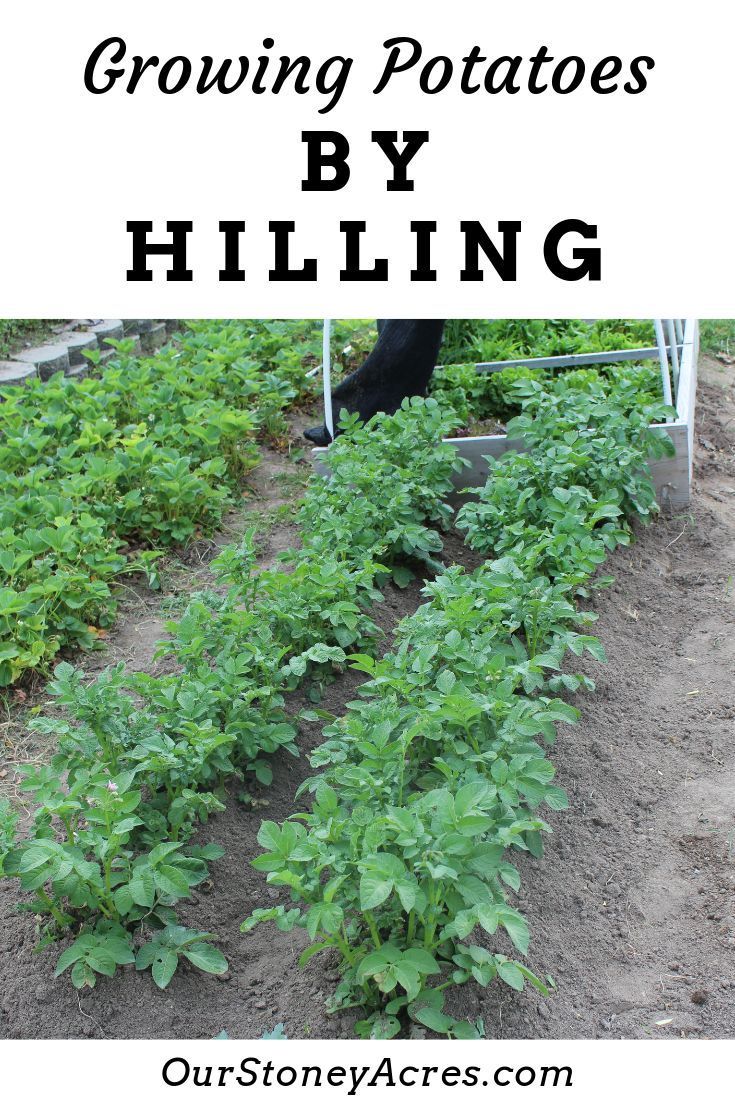
The first hilling usually occurs when the potato plants reach a height of 6 to 8 inches, typically 2 to 3 weeks after emergence. At this vegetative stage, the stems are still tender, and the plant is focusing energy on establishing a strong foliar canopy. The goal here is to cover the lower leaves, which are inefficient at photosynthesis once shaded, and to create the foundational soil structure around the base. Using a hoe or a wheel hoe, gently mound 2 to 3 inches of soil around the stem, ensuring not to damage the shallow root system.


Optimal Timing for the Final Hill
While the initial hilling provides early protection, the most crucial moment for when to hill potatoes happens later in the season. The ideal window occurs when the plants are in full bloom, usually reaching 12 to 16 inches in height, just as the tubers beneath the soil begin to expand rapidly. This second, more aggressive hill—often referred to as the "final hill"—is necessary because the original soil mound has settled and compressed. You must add fresh soil to completely bury the developing tubers, usually raising the ridge to a height of 6 to 8 inches to ensure total darkness.
Signs That It’s Time to Hill
Rather than relying solely on a calendar, observing the specific conditions of your garden plot is the most reliable method to determine timing. You should initiate the final hill when you notice the lower leaves beginning to yellow and die off naturally, a process known as senescence moving up the plant. Additionally, you can gently scrape away a small amount of soil near the base with your hand to check tuber size; if they are larger than golf balls, they require immediate coverage to prevent greening. Consistent cool weather, rather than intense heat, is the perfect environment for this process to occur without shocking the plant.


Consequences of Poor Timing
Failing to hill potatoes at the correct time carries significant risks that can compromise your entire crop. If you hill too late, after the tubers have already expanded, the exposed potato skins will turn green upon contact with sunlight. This greening indicates the presence of solanine, a toxic compound that not only imparts a bitter taste and causes a burning sensation but can also lead to illness if consumed in large quantities. Conversely, hilling too early, before the plant has sufficient biomass, can trap too much moisture around the crown, creating an environment conducive to rot and fungal diseases.
Mechanical vs. Manual Hilling
The method you use to hill can influence the precise timing of the task. Commercial growers often use mechanical hillers or plows, which allow for rapid coverage of large fields as the crop matures in unison. Small-scale gardeners, however, must rely on manual labor using shovels, hoes, or even specialized potato hooks. If you are working by hand, it is often more effective to perform the final hill in two stages: a lighter application when the soil is dry to break up clumps, followed by a deeper push a few days later when the soil has settled. This ensures the soil is loose enough to bury the tubers completely without compacting and restricting growth.
Ultimately, mastering the timing of when to hill potatoes is a balancing act between protecting the crop and facilitating healthy growth. By monitoring plant height, bloom cycles, and tuber exposure, you ensure that your potatoes remain firmly underground, protected from the elements, and ready for harvest. This careful attention to soil management is what separates a modest crop from an abundant, high-quality harvest.


Related Articles

When to Cut Lilies: Master the Perfect Timing for Stunning Blooms
Knowing precisely when to cut lilies transforms a beautiful bloom into a stunning, long-lasting arrangement. Timing dictates not only the visual impact of your...

When to Pick Red Potatoes: The Ultimate Guide for Perfect Harvest
Red potatoes are a staple in kitchens around the world, prized for their vibrant color, smooth texture, and earthy flavor. Knowing when to pick red potatoes is...

When to Harvest Spring Garlic: Perfect Timing Guide
Garlic planted in the early spring offers a distinct timeline for harvest compared to its fall-planted counterpart. While fall planting allows cloves to...

When to Plant Bell Pepper Seeds: Ultimate Timing Guide for Maximum Harvest
Knowing precisely when to plant bell pepper seeds is the foundational step for a prolific harvest, transforming a simple seed into a vibrant, sweet fruit...

When to Harvest Broom Corn: Timing, Tips, and Best Practices
Broom corn, the remarkable plant that gives us both the corn broom and the whisk brooms we know today, follows a precise seasonal schedule. Understanding the...

When to Pick Corn: Harvest Perfect Ears Every Time
Knowing when to pick corn is the difference between harvesting a candy-sweet vegetable and pulling up a starchy, disappointing snack. For the home gardener...