The Perfect Temperature to Cook Chicken Breast: Crispy & Juicy Every Time
Cooking chicken breast to perfection hinges on one critical factor: temperature. While the classic warning against undercooked poultry focuses on safety, the pursuit of culinary excellence demands a precise target that delivers both safety and succulence. For the home cook and professional chef alike, understanding the exact temperature to cook chicken breast is the difference between a dry, fibrous meal and a juicy, flavorful one.
Why Temperature Matters Beyond Safety
Health authorities universally agree that poultry must reach an internal temperature of 165°F (74°C) to eliminate harmful pathogens like salmonella. This is non-negotiable for food safety. However, food science reveals that texture and moisture are governed by different thermal dynamics. Chicken breast is notoriously lean; it lacks the marbling of fat found in darker meats that protects it from drying out during cooking. The primary goal, therefore, is to navigate the tightrope between eliminating bacteria and preserving moisture. Overcooking past the safe zone rapidly pushes the muscle proteins to expel water, resulting in a tough, chalky bite that no amount of sauce can salvage.
The Sweet Spot: 160°F to 165°F
The key to mastering chicken breast temperature lies in understanding the carryover cooking effect. Carryover cooking is the process by which meat continues to cook from residual heat after it is removed from the heat source. Because of this, you should pull your chicken breast from the oven or pan at an internal temperature of 160°F (71°C). As it rests, the heat will distribute evenly, and the temperature will rise by 5 to 10 degrees, perfectly landing in the safe zone of 165°F. This technique is the single most effective strategy for avoiding dry chicken. It ensures the proteins denature fully without squeezing out every last drop of moisture in the final moments of cooking.


Tools for Precision Cooking
Guessing when chicken is done based on color or texture is an unreliable method that often leads to inconsistency. To hit your target temperature with confidence, a reliable instant-read digital thermometer is essential. This tool provides immediate feedback, allowing you to remove the chicken at the exact moment it reaches 160°F. Whether you are roasting, grilling, or pan-searing, the few seconds it takes to insert the probe into the thickest part of the meat is a small investment for guaranteed results. Forget the old rules of thumb; embrace the accuracy of modern kitchen technology to elevate your everyday cooking.
Resting is Non-Negotiable
Perhaps the most underestimated step in the cooking process is the resting period. Once the chicken reaches 165°F, it must be allowed to sit undisturbed for 5 to 10 minutes. During this time, the muscle fibers that tightened during cooking begin to relax. This relaxation allows the juices—which were driven toward the center by the heat—to redistribute throughout the entire cut. If you slice into the chicken immediately, those precious juices will spill out onto the cutting board, leaving the breast dry. Patience during the rest is the final step in ensuring a juicy and tender result.


Adjusting for Thickness and Cooking Method
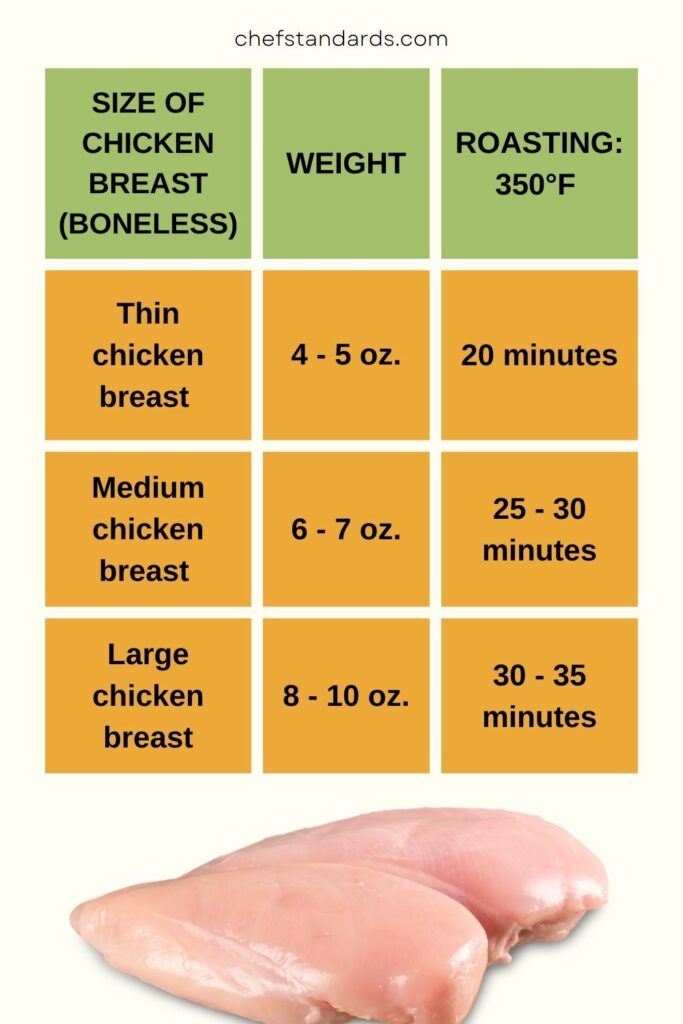
The temperature target remains constant, but the path to get there varies based on the cut and cooking technique. A thin-cut cutlet will cook much faster than a whole butterfly breast, requiring vigilant monitoring to avoid overshooting the target. Similarly, cooking methods impart heat differently. Grilling involves direct, high heat that can quickly char the outside while leaving the inside raw if not monitored. Baking offers a more gentle, ambient heat that cooks the bird more evenly. Regardless of the method, the internal temperature of the thickest part is the only metric that matters. Always position your thermometer away from bone, as bone conducts heat faster and can give a false reading.
Resolving the Pink Breast Misconception
Many cooks are alarmed to find a slight pinkness in the center of their chicken breast even after it has reached 165°F. This visual cue can trigger a panic response, leading to overcooking. However, when it comes to safely consuming poultry, temperature trumps color. Myoglobin, a protein found in poultry muscle, can sometimes retain a heat-stable bond even after the bacteria are dead. If the chicken has reached 165°F and the texture is firm but juicy, the pink color is harmless. Continuing to cook it in an attempt to eliminate the color will only result in dry, tough meat. Trust the thermometer, not the color, to determine doneness.




Related Articles

Perfect Grilled Chicken Breast Temperature: The Ultimate Guide
Grilling chicken breast successfully hinges on one critical factor: temperature. While the instinct might be to crank the heat and hope for the best...

The Ultimate Time to Bake Chicken Breast Guide: Perfectly Juicy Every Time
Perfectly cooked chicken breast is the cornerstone of countless healthy meals, yet it remains one of the most challenging proteins for home cooks to master...

Joanna Gaines King Ranch Chicken Recipe – Crispy, Creamy, Perfect Every Time
Few recipes capture the essence of cozy, home-cooked comfort like the Joanna Gaines King Ranch Chicken. While the exact origins of this dish within the Gaines...
Perfect Chicken Breast Temperature: Safe Cooking Guide
Getting the chicken breast temperature right is the difference between a juicy, flavorful meal and a dry, disappointing one. Whether you are searing a steak or...

The Ultimate Internal Temp to Cook Meatloaf: Perfectly Safe & Juicy Every Time
Preparing the perfect meatloaf starts long before it enters the oven; it begins with understanding the precise internal temperature required for both safety...

Perfect Oil Temp for Crispy Chicken Cutlets Every Time
Perfectly cooked chicken cutlets rely on precise temperature control, and the oil used for frying is the most critical variable. Achieving that coveted...