The Ideal Refrigerator Temperature Setting for Maximum Freshness
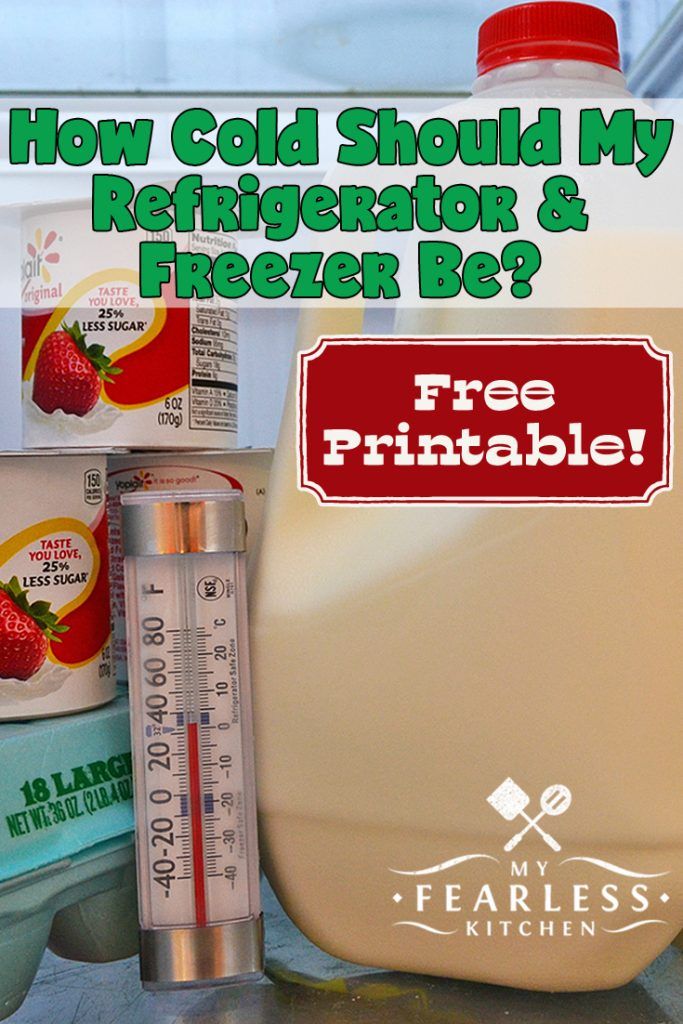
The ideal refrigerator temperature sits at or below 40°F (4°C). This specific threshold is not arbitrary; it represents the critical boundary where bacterial growth slows to a safe level, ensuring your leftovers and raw ingredients remain fresh and non-harmful. Setting your appliance warmer than this guideline places your food in the "danger zone" between 40°F and 140°F (4°C and 60°C), where pathogens can multiply rapidly. Conversely, setting it excessively cold can cause certain items to freeze unintentionally, leading to texture degradation and premature spoilage of produce.
Why 40°F is the Safety Standard
Food safety organizations globally, including the USDA and FDA, mandate 40°F as the maximum safe ambient temperature for refrigerated storage. At this temperature, the metabolic processes of most bacteria slow down dramatically, effectively pausing their ability to multiply to dangerous levels. While this setting does not kill existing bacteria, it puts them into a state of hibernation, significantly extending the window of time you have to consume food safely. This standard applies to the main compartment where dairy, deli meats, and prepared meals are stored.
The Freezer Compartment Setting
While the fridge section requires precise temperature control, the freezer demands a completely different environment. The recommended setting for your freezer is 0°F (-18°C) or lower. At this extreme cold, microbial activity ceases entirely, and food remains safe indefinitely, though quality will eventually decline due to freezer burn. This sub-zero environment ensures that ice crystals form quickly during the freezing process, minimizing damage to cell walls and preserving flavor and texture far better than a warmer setting could.


Variations for Specific Components
Not all areas inside your refrigerator maintain the same temperature. The coldest zone is usually the back of the bottom shelf, where cold air sinks and settles. The door shelves, frequently exposed to warm air every time the unit is opened, are the warmest spot, making them suitable only for condiments and juices that are less perishable. Crisper drawers often feature adjustable vents; closing the vent creates higher humidity for leafy greens, while opening it provides lower humidity for fruits that require air circulation.
Impact of Incorrect Temperatures
- Too warm (above 40°F): Accelerated bacterial growth, leading to foodborne illness and shortened shelf life.
- Too cold in the fridge: Ice crystal formation on produce, causing wilting, mushiness, and freezer burn on items not wrapped tightly.
- Too cold in the freezer: Increased risk of freezer burn and excessive ice buildup, which can strain the appliance's compressor.
Modern digital thermostats have made monitoring effortless, but older models with mechanical dials require a simple appliance thermometer. Place this tool in a glass of water in the center of the middle shelf and check the reading after about 24 hours. If you notice condensation or frost forming on the interior walls, or if milk sours faster than expected, it is a clear sign your temperature dials need adjustment.


Energy Efficiency and Temperature
There is a direct correlation between temperature setting and energy consumption. Every degree you lower the refrigerator temperature below 40°F increases energy usage significantly. To optimize efficiency without compromising safety, ensure the door seals are clean and airtight, allow hot food to cool to room temperature before refrigerating, and avoid placing the unit near heat sources like ovens or direct sunlight. These practices maintain the target temperature without overworking the compressor.
Maintaining Consistent Performance
Regular maintenance plays a vital role in temperature stability. Dust and grime on the condenser coils force the refrigerator to work harder to stay cool, gradually raising the internal temperature over time. Defrosting manual-defrost freezers before ice buildup exceeds a quarter-inch thick is also essential. By cleaning coils every six months and checking door gaskets for leaks, you ensure that the thermostat reading reflects the true environment where your food is stored, guaranteeing both safety and longevity.




Related Articles

What Temperature Should Paint Be Stored At? Ideal Storage Tips
Proper storage temperature is the single most critical factor in preserving the integrity and shelf life of paint, whether you are a professional contractor...

What Temperature Should My House Be? Ideal Home Temp Guide
Finding the right temperature setting is one of the simplest ways to improve daily comfort and reduce energy bills. The question, "what temperature should my...

The Perfect Meatloaf Temperature: Cooking Tips for a Safe and Juicy Patty
Perfecting the humble meatloaf begins with a single, critical question: what temp should meatloaf be cooked to? While recipes vary wildly, from ketchup-glazed...

The Ultimate Guide to Washing Bedding: Ideal Temperature for Clean & Fresh Sleep
Determining the ideal temperature to wash bedding is one of those household details that significantly impacts both health and comfort. While it might seem...

What Is Pool Temperature? Ideal Swimming Pool Water Temp
Water temperature is the most misunderstood variable in pool care, dictating everything from chemical efficiency to swimmer comfort. Most people set their...

What Temp to Keep House Warm: Optimize Your Thermostat Setting
Determining what should I keep the heat on in my house is one of the most practical questions homeowners face, especially as energy prices fluctuate and...