What Style Is Contemporary? Define Modern Design Trends
Defining contemporary style begins with understanding it as a fluid response to the present moment. Unlike historical movements tethered to specific decades, this aesthetic absorbs current technology, social values, and environmental awareness into a cohesive visual language. It prioritizes a sense of now, creating environments that feel immediate, adaptable, and relevant to the current moment.
The core principle of this design philosophy is a return to essential functionality. Spaces are stripped of unnecessary ornamentation, focusing instead on clean lines, honest materials, and the intrinsic beauty of form. This does not result in sterile spaces, but rather in curated environments where every element earns its place through purpose and visual harmony.
The Visual Vocabulary of the Present
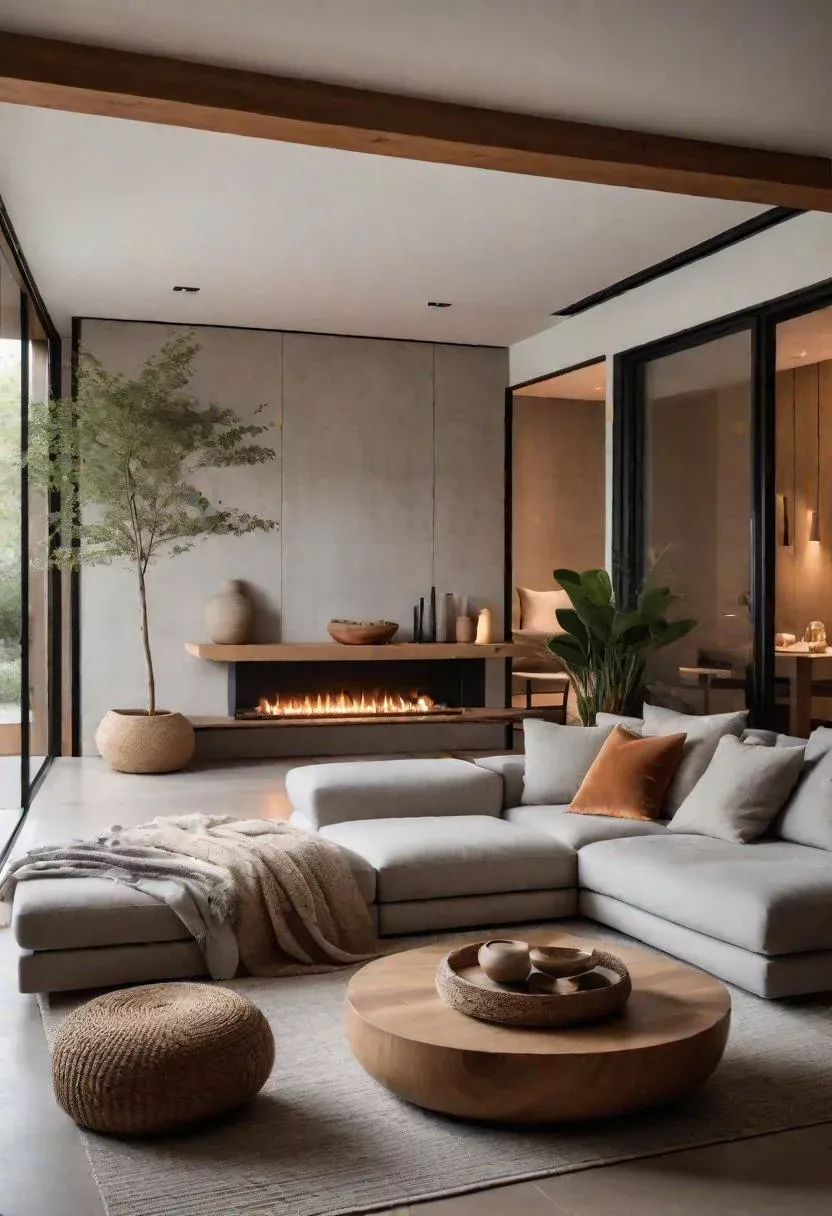
To understand what style is contemporary, one must look at its recurring visual cues. The palette often leans toward neutrality, featuring whites, beiges, and greys that provide a calm backdrop. These are frequently accented by bold, unexpected hues or natural earth tones drawn from the current biophilic trend, creating a sophisticated balance between serenity and vitality.


Materials and Texture
Materiality plays a crucial role in conveying a sense of authenticity. The style embraces a dialogue between the natural and the industrial, mixing raw concrete, polished metals, and reclaimed woods with sleek glass and matte finishes. This juxtaposition creates a rich textural landscape that engages the eye and hand, preventing the look from feeling cold or impersonal.
- Smooth engineered quartz and large-format porcelain tiles.
- Sustainably sourced woods with visible grain.
- Powder-coated aluminum and matte black fixtures.
- Natural fibers such as wool, jute, and linen.
Function Meets Future
Technology integration is seamless and invisible, a hallmark of truly modern living. Lighting, climate control, and entertainment systems are managed intuitively, often through centralized smart home devices. This focus on efficiency and convenience reflects the contemporary desire for streamlined living that supports rather than complicates daily life.


Spatial planning is another key element, favoring open-concept layouts that promote flow and interaction. Walls become flexible boundaries rather than permanent barriers, allowing light to penetrate deeply and creating a sense of expansive freedom. The architecture serves the lifestyle, ensuring the space evolves with the needs of its inhabitants.
Curating a Timeless Edge
Accessorizing within this style requires a discerning eye to avoid turning a space into a generic showroom. Artwork tends to be abstract or minimalist, serving as a focal point that sparks conversation without overwhelming the senses. Lighting fixtures are often sculptural, acting as both sources of illumination and pieces of functional art.
| Element | Description | Visual Goal |
|---|---|---|
| Lighting | Linear LED strips, arched pendants, sculptural bases | Create drama and highlight key features |
| Art | Large-scale photography, abstract canvases, geometric forms | Add personality and a focal point |
| Textiles | High-loft throws, structured cushions, sheer drapes | Add comfort and layered texture |
Ultimately, the answer to what style is contemporary lies in its ability to remain perpetually current. It is a design approach that respects the past while eagerly embracing the innovations and ethics of the present. The result is an environment that feels both sophisticated and personal, offering a sanctuary that is as efficient as it is inspiring.




Related Articles

Contemporary Interior Design Definition: Style, Space & Modern Trends
Contemporary interior design is often misunderstood as a fleeting trend, a simple preference for sleek furniture or neutral color palettes. In reality, it is a...

What Is a Contemporary? Modern Design & Style Explained
To define what is a contemporary is to navigate a landscape that is at once thrilling and disorienting. In the current cultural climate, the term often...

Modern Contemporary Design Houses: Architecture & Style Trends
Within the hyper-competitive world of luxury interiors and high-end product development, contemporary design houses act as the critical bridge between raw...

What Is Modern Design Style: A Complete Guide To Contemporary Aesthetics
Modern design style is less a specific set of rules and more a philosophy centered on how we live today. It is an aesthetic response to the pace of...

Charming Modern Cottage Style Homes: Design Ideas & Trends
Modern cottage style homes represent a thoughtful evolution of classic rural architecture, blending the cozy charm of a bygone era with the clean lines and...

The Ultimate Guide to Modern Boho Style: Chic Tips & Trends
Modern boho style is an interior design and fashion philosophy that blends the free-spirited ethos of traditional bohemian decor with the clean lines and...