What Is the Average Cost of Tree Trimming? A Complete 2024 Guide
Determining the average cost of tree trimming requires looking beyond a single number, as the price is influenced by a complex mix of location, tree specifics, and the scope of work. For homeowners and property managers in the United States, the national average typically falls between $75 and $400 per tree for standard maintenance. However, this broad range only scratches the surface, as a small ornamental shrub might cost $40 to prune while a large mature oak can easily demand $1,500 or more for expert care.
Factors That Directly Impact Tree Trimming Prices
The primary driver of cost variation is the tree's physical characteristics. Larger trees require more time, specialized equipment, and intricate rigging techniques, all of which increase labor intensity and risk. The species of the tree also matters, as harder woods like oak or maple take longer to cut than softer species like poplar or pine. Furthermore, the overall health and structure play a critical role; a tree with dead branches, signs of disease, or complex branching patterns demands more meticulous work from a certified arborist, which is reflected in the final quote.
Height and Location Complexity
Height is one of the most significant factors in pricing because it directly impacts danger and logistics. A tree under 30 feet is generally accessible with standard bucket trucks, keeping costs moderate. Once a tree exceeds this height, crews must often use climbing spikes and specialized ropes, which requires advanced skill and increases the time needed for the job. The location of the tree further complicates the process; a tree situated in a tight backyard near a fence, power lines, or a structure will cost significantly more than a tree standing in an open field. This "accessibility fee" covers the time spent strategizing safe approaches and protecting your property during the operation.


Service Type and Regional Pricing Variations
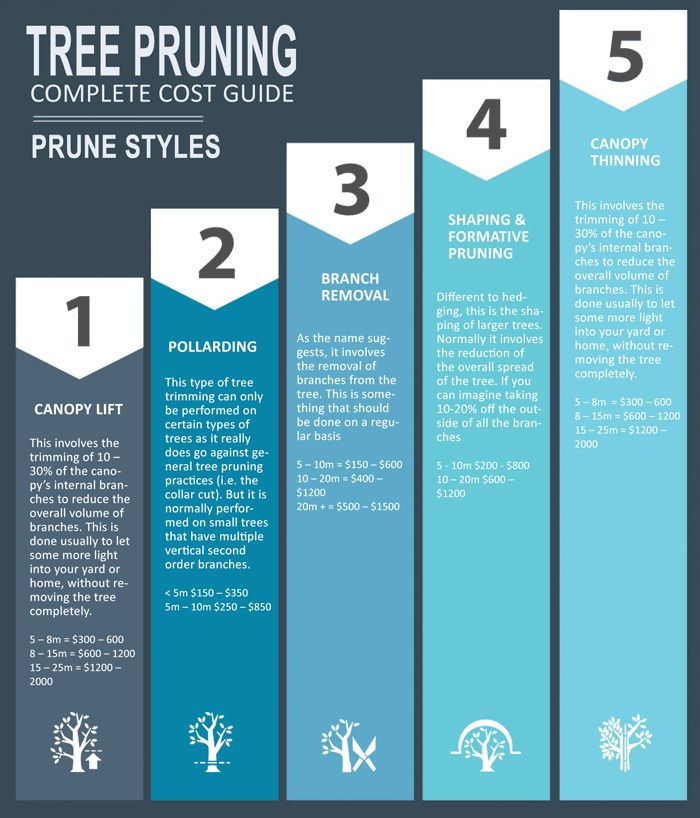
Not all tree trimming is the same, and the specific service you request will dictate the price. A basic pruning or cleaning to remove deadwood is the most affordable option. In contrast, crown thinning, which involves selective removal of branches to improve light penetration and airflow, is more labor-intensive and costs more. The most expensive service is usually crown reduction, which requires precise cutting to lower the height or spread of the tree without causing damage. Regionally, prices vary widely; urban areas like San Francisco or New York City typically command higher rates due to higher living costs and logistical challenges, while rural areas may see rates that are 20% to 30% lower.
| Tree Size (Height) | Average Cost Range | Description |
|---|---|---|
| Small (Up to 30 ft) | $75 – $450 | Ornamental trees and small evergreens, generally accessible with ground equipment. |
| Medium (30 ft to 60 ft) | $150 – $850 | Trees like large maples or pines, requiring bucket trucks and more complex rigging. |
| Large (Over 60 ft) | $800 – $2,000+ | Mature oaks, redwoods, or other tall trees requiring climbing specialists and heavy equipment. |
Additional Cost Drivers
Beyond the tree itself, several ancillary factors can increase the total bill. If the stump needs to be ground down after the trunk is removed, you will likely incur an additional $75 to $250. Emergency services, such as trimming branches after a storm that pose an immediate danger to your home, often come with significant rush fees. Permits may also be required in certain municipalities or for protected species, adding administrative fees to the project. Finally, the disposal of green waste—whether hauled away or ground into mulch on-site—is usually factored into the initial quote, but it's always wise to confirm what is included.


When seeking estimates, it is vital to understand what is included in the pricing. A lower quote might seem attractive initially, but if it excludes debris removal or requires you to purchase the mulch separately, the final cost could be higher. Conversely, a higher quote from a certified arborist often represents value through expertise, safety protocols, and clean-up. Investing in professional tree trimming is an investment in the structural integrity of your property, as proper maintenance prevents future hazards caused by falling limbs and promotes the long-term health of your landscape.




Related Articles

Average Cost of a Chimney Sweep: Complete 2024 Pricing Guide
Homeowners often overlook the critical maintenance required for their fireplace until a problem arises. Understanding the average cost of a chimney sweep is...

Average Cost of an Addition: Complete 2024 Pricing Guide
Determining the average cost of an addition requires careful consideration of numerous variables, as no two projects are identical. The final price is...

Average Cost of a 2 Car Garage: Complete Pricing Guide 2024
When planning a new construction or renovation, one of the most significant investments homeowners face is building a garage. Specifically, a two-car garage...

Average Cost of Bathroom Makeover: 2024 Pricing Guide & Budget Planner
Planning a bathroom renovation often begins with a single, pressing question: what is the average cost of bathroom makeover? While the answer is rarely simple...

What is the Cost of Coolsculpting on Thighs? 2024 Price Guide
When considering body contouring, the question of cost is often the first to arise, particularly for specific areas like the thighs. The price for...
Average Cost to Remodel a Bathroom in Florida: 2024 Pricing Guide
Homeowners in Florida looking to update their living space often find that a bathroom remodel offers the highest return on investment. Understanding the...