What Is Purple Sage: Benefits, Uses & Growing Tips
Purple sage, often celebrated for its striking foliage and resilience, is a perennial shrub that belongs to the mint family, Lamiaceae. Botanically known as Salvia dorrii, this plant is native to the western regions of North America, flourishing in arid landscapes and rocky soils. Its vibrant purple flowers and silvery-green leaves make it a standout choice for gardeners and nature enthusiasts alike, offering both aesthetic appeal and ecological value.
Understanding Purple Sage: Botanical Profile
At its core, purple sage is a drought-tolerant shrub that has evolved to thrive in challenging environments. The plant typically reaches heights of 2 to 3 feet, with a spread that can extend up to 4 feet, creating a mounded shape that is both graceful and robust. Its leaves are covered in fine hairs, which not only give them a velvety texture but also help reduce water loss, an essential adaptation for survival in dry climates. The true spectacle, however, arrives in the spring and summer when clusters of tubular, purple flowers bloom, attracting pollinators such as bees, hummingbirds, and butterflies. This combination of hardy structure and vivid floral display is what makes purple sage a staple in xeriscaping and native gardens.
Ecological and Environmental Significance
Beyond its ornamental value, purple sage plays a crucial role in its native ecosystems. It serves as a vital food source for local wildlife, including deer and small mammals, who rely on its foliage for nutrition during leaner months. The plant’s deep root system helps prevent soil erosion, making it an excellent choice for stabilizing slopes and disturbed lands. Additionally, its ability to flourish with minimal water usage aligns perfectly with sustainable gardening practices, promoting biodiversity without placing a strain on local water resources. For those looking to create a garden that supports the environment, incorporating purple sage is a step toward fostering a healthier, more balanced landscape.


Historical and Cultural Uses
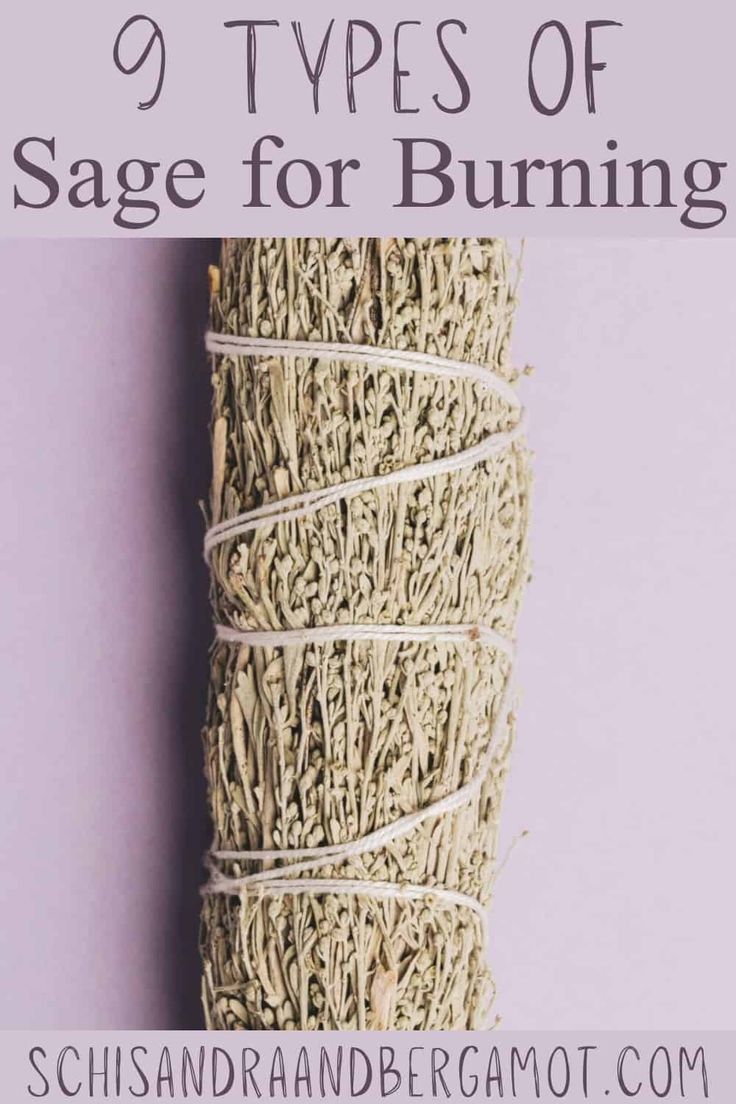
Indigenous peoples of the Great Basin and surrounding regions have long held purple sage in high regard. Historically, various tribes utilized different parts of the plant for medicinal and ceremonial purposes. The leaves were often dried and used in spiritual rituals, believed to carry purifying properties when burned as incense. In traditional herbal medicine, preparations from the plant were employed to address ailments such as headaches, digestive issues, and respiratory conditions. While modern usage should always be approached with caution and professional guidance, these historical applications highlight the deep cultural connection between purple sage and the communities that have lived alongside it for centuries.
H2: Cultivation and Care Tips
For gardeners eager to introduce purple sage into their own spaces, the good news is that its cultivation is relatively straightforward. This shrub thrives in full sun and well-draining soil, making it ideal for rock gardens, borders, or as a low hedge. Once established, it requires little to no additional watering, showcasing its exceptional drought tolerance. Pruning is minimal, usually needed only to remove dead or damaged growth and to maintain shape. It is important to avoid overwatering, as soggy soil can lead to root rot. With its low maintenance needs and impressive longevity, purple sage proves to be a wise investment for both novice and experienced gardeners.


H3: Propagation and Growth Patterns
Purple sage can be propagated through seeds or semi-hardwood cuttings, though cuttings tend to yield more reliable results. Seeds require a period of cold stratification to break dormancy, while cuttings taken in late spring or early summer root most successfully. As the plant matures, it develops a woody base and a sprawling habit, slowly forming dense clusters of growth. Its growth rate is moderate, allowing it to gradually fill in space without becoming invasive. Gardeners should note that while purple sage is generally pest-resistant, it can occasionally attract aphids or spider mites in overly dry or stressed conditions, so occasional monitoring is beneficial.
Design and Landscaping Applications
In landscape design, purple sage offers remarkable versatility. Its structured form and colorful blooms provide year-round interest, whether used as a focal point in a herb garden, paired with ornamental grasses, or nestled among larger shrubs. The contrast between its silvery foliage and purple flowers creates a stunning visual effect, especially when planted in groups or along pathways. It also performs exceptionally well in Mediterranean-style gardens, where its drought-loving nature complements other sun-loving plants like lavender and rosemary. By integrating purple sage into outdoor spaces, designers can achieve a look that is both sophisticated and environmentally conscious.
Common Misconceptions and Clarifications
Despite its popularity, purple sage is sometimes confused with other similar-looking plants, such as Russian sage or common culinary sage. While all belong to the broader sage family, they differ significantly in appearance and care requirements. Unlike Russian sage, which has taller stems and a airier structure, purple sage is more compact and bushy. Culinary sage (Salvia officinalis), often used in cooking, features gray-green leaves and a stronger aromatic profile. Understanding these distinctions helps ensure that gardeners select the right plant for their specific needs, avoiding confusion and promoting successful growth.


| Feature | Purple Sage (Salvia dorrii) | Common Culinary Sage |
|---|---|---|
| Scientific Name | Salvia dorrii | Salvia officinalis |
| Primary Use | Ornamental, ecological | Culinary, medicinal |
| Flower Color | Purple, tubular clusters | |
| Leaf Appearance | Silvery-green, velvety | |
| Native Region |




Related Articles

Ajwain Leaf: Benefits, Uses, and Growing Tips
Ajwain leaves, often overshadowed by their seed counterparts, represent a vital and underutilized facet of culinary and medicinal herb cultivation. While the...

What Is Sawdust Good For: Eco-Friendly Uses & Benefits
Sawdust is often viewed as a mere byproduct of woodworking and forestry, something to be swept away or disposed of. However, this fine granular material holds...

What Are Face Masks Good For: Clear Skin Benefits & Uses
From the steamed clay masks of ancient China to the dermatologist-formulated serums lining modern pharmacy shelves, the purpose of the face mask has always...

The Ultimate Guide to Honey Powder: Uses, Benefits, and Recipes
Honey powder is a versatile ingredient that transforms the way chefs, bakers, and health enthusiasts approach sweetness and texture. Created through a careful...

Purple Leaf Sand Cherry: Vibrant Beauty & Growing Tips
Purple leaf sand cherry is a captivating deciduous shrub that brings dramatic foliage and delicate blooms to the landscape. With its deep burgundy leaves and...

What is a Duvet Cover? Definition, Uses & Style Tips
At its core, a duvet cover is the removable textile sleeve that encases a duvet insert, transforming it into a functional and stylistic component of your bed...