The Ultimate Guide to Mughal Art: History, Masterpieces & Legacy
Mughal art represents one of the most sophisticated and influential cultural movements in the history of Indo-Islamic civilization. Emerging in the 16th century, this distinctive artistic tradition blended Persian aesthetic refinement, Indian spiritual depth, and Central Asian structural rigor to create a visual language of unparalleled elegance. Defined by its meticulous attention to detail, vibrant color palettes, and harmonious integration of architecture, painting, and decorative arts, Mughal art was not merely an ornament but a powerful instrument of imperial expression and cultural synthesis.
The Genesis of a Royal Aesthetic
The origins of Mughal art are inextricably linked to the ambitions of Babur, a Timurid prince from Ferghana who founded the Mughal Empire in India in 1526. Though his reign was short, Babur’s appreciation for beautiful gardens and refined living laid the groundwork for his successors. It was under the discerning patronage of the third Mughal emperor, Akbar the Great, that the Mughal atelier system was institutionalized. Akbar brought together artists from Persia and the Ottoman Empire with local Indian talents, fostering a dynamic environment where different techniques and narratives could converge, thus forging a new visual identity that was cosmopolitan yet distinctly imperial.
Core Characteristics that Define the Style
What distinguishes Mughal art is its adherence to a set of refined principles that governed both painting and architecture. These characteristics ensure a coherence across centuries of production, allowing the style to be instantly recognizable to the trained eye.


- Naturalism and Detail: Artists prioritized accurate botanical rendering, realistic animal portraits, and individualized human faces, moving away from the more stylized forms of earlier traditions.
- Luminous Color Palette: The use of mineral and precious stone pigments created jewel-like tones, with rich reds, deep blues, and vibrant greens dominating the visual field.
- Composite Perspective: Figures and landscapes were arranged in stages, providing a comprehensive view of the scene by depicting multiple planes simultaneously.
- Harmony and Symmetry: Whether in the layout of a garden or the composition of a miniature, a sense of balanced order was paramount, reflecting cosmic harmony.
The Pillars of Mughal Architecture
While manuscripts capture the intimacy of the court, architecture represents the grand public face of Mughal power. The integration of Islamic structural engineering with Indian decorative elements resulted in some of the most iconic buildings in the world. Monuments are characterized by the liberal use of red sandstone and white marble, intricate jali (latticed screen) work, and the majestic iwan—a large vaulted space framed by arches.
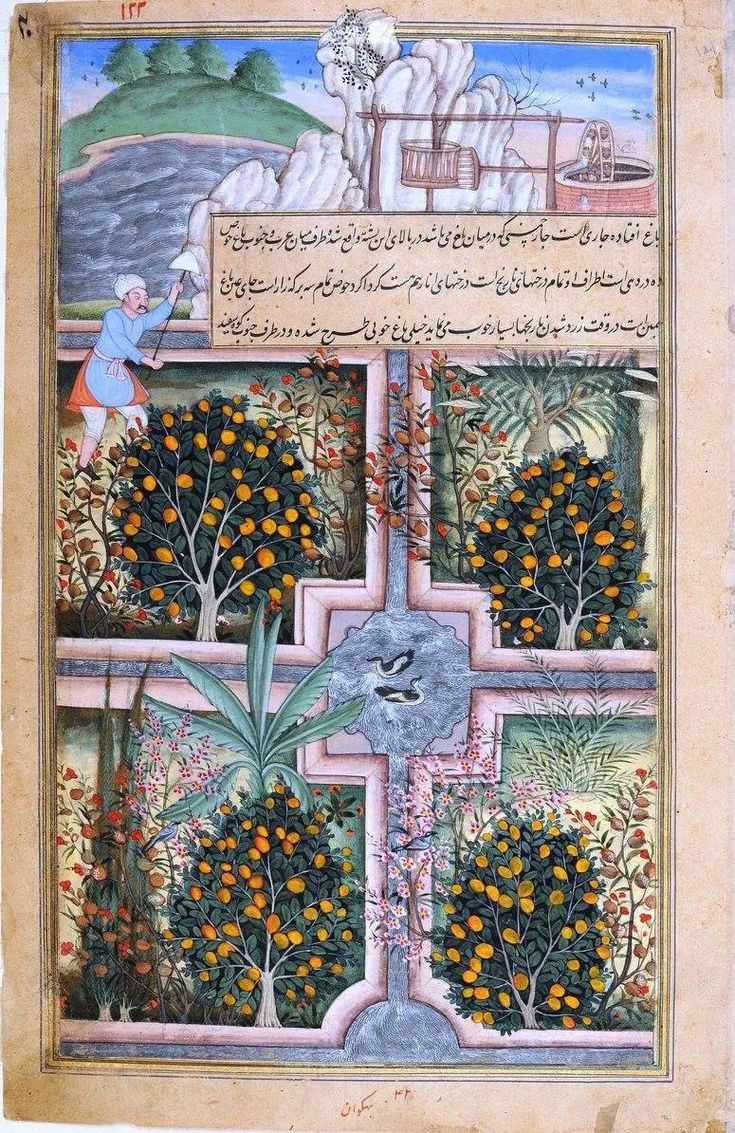
The plan is typically organized around a central axis, emphasizing procession and hierarchy. Gardens, or charbagh, designed in quadrants symbolizing the Islamic concept of paradise, are integral to the architectural experience. This marriage of structure and landscape transforms a monument from a mere building into a holistic environment designed for contemplation and awe.


Mughal Painting: Windows to the Court
Perhaps the most celebrated aspect of Mughal art is its miniature painting. These works were not mere illustrations but complex historical documents and poetic manuscripts. Executed in meticulous detail on paper, they captured royal hunts, epic battles, and intimate portraits of the emperor and his family. The artist’s role was to act as a visual historian, translating textual accounts into vivid imagery.
The evolution of the style is evident when comparing the robust, dynamic figures of the Akbar period to the softer, lyrical portraits of Shah Jahan’s era, which emphasized refined elegance and psychological depth. The use of gold and silver leaf added a literal luminosity to the pages, making the manuscripts treasured objects that signified the wealth and sophistication of their royal owners.
Materials and Legacy
The luxury of the materials used in Mughal art was a direct reflection of the empire’s wealth and the emperor’s authority. Beyond pigments and gold leaf, precious and semi-precious stones were frequently inlaid into marble and sandstone surfaces, a technique known as pietra dura. This adornment extended to everyday objects, including weapons, jewelry, and textiles, ensuring that art permeated all levels of material culture.


The legacy of Mughal art extends far beyond the fall of the empire in the 19th century. Its principles profoundly influenced the Rajput courts of Rajasthan, the Sikh courts of Punjab, and the British colonial aesthetic that followed. Today, the monuments of Agra and Delhi stand as global icons, while the delicate pages of Mughal miniatures continue to inform contemporary design, proving that this fusion of cultures remains a vital source of artistic inspiration.
Comparative Overview of Key Mughal Art Forms
To fully appreciate the scope of Mughal art, it is helpful to view its major disciplines side by side. The following table outlines the primary mediums, their functions, and their most celebrated examples.
| Art Form | Primary Medium & Technique | Function & Purpose | Iconic Example |
|---|---|---|---|
| Miniature Painting | Opaque watercolors on paper, often with gold leaf | Historical documentation, manuscript illustration, portraiture | Akbar and Hamida Banu (c. 1550-1600) |
| Architecture | Red sandstone, white marble, pietra dura inlay | Imperial commemoration, religious worship, garden leisure | Taj Mahal (1632-1653) |
| Decorative Arts | Hardstone carving, enamel work, textile weaving | Court luxury, diplomatic gift exchange, personal adornment | Gold and enamel dagger of Shah Jahan |




Related Articles

The Ultimate Guide to Edwardian Houses: History, Features & Modern Appeal
An Edwardian house represents a distinct and cherished chapter in British architectural history, named for the period in which they were predominantly built...

What Does 1 Carat Mean? The Ultimate Guide to Diamond Size & Value
When you hear that a diamond is one carat, it is natural to picture a specific size or level of grandeur. The term carat refers to the unit of weight used to...

What is a Chinois Used For? The Ultimate Kitchen Essential Guide
A chinois is a conical strainer, typically made of stainless steel, that rests atop a bowl or pot. Its defining feature is the fine, mesh weave that acts as a...

The Ultimate Guide to Floral Art: Mastering the Language of Blooms
Floral art is the ancient practice of arranging living plant materials into intentional, expressive compositions. Far more than a simple collection of flowers...

The Ultimate Food Guide for Hair Growth: What to Eat for Longer, Stronger Locks
Thick, vibrant hair is often seen as a sign of health and vitality, but achieving it starts long before the comb touches the strands. The foundation for growth...

What Is a Laminate Cabinet: The Ultimate Guide to Durable, Affordable Kitchens
When exploring kitchen renovation options, the question "what is a laminate cabinet" often arises as a primary consideration for homeowners. Laminate cabinetry...