What Are Clogged Pores? Causes, Treatments & Prevention
Those tiny bumps scattered across your nose and chin are more than just a cosmetic nuisance; they are the visible result of clogged pores, a common skin condition that occurs when hair follicles become blocked. Understanding the specific mechanics of this blockage is the first step toward effectively managing your skin's health and appearance, moving beyond quick fixes to address the root cause.
Understanding the Skin's Architecture
To grasp what clogged pores are, you must first understand the landscape of your skin. Every square inch of your face and body is covered in microscopic openings, which are the visible parts of hair follicles that extend deep into the dermis. These follicles are not isolated structures; each one is a bustling hub connected to a sebaceous gland responsible for producing sebum, the skin's natural oil. Sebum travels up the follicle, exits onto the skin's surface, and creates the essential moisture barrier that keeps your skin soft and resilient. A pore becomes clogged when this intricate transport system fails, trapping the oil, dead skin cells, and other debris within the follicle rather than allowing it to flow freely to the surface.
The Biology of a Blockage
The biological process behind a clogged pore is a delicate balance that can easily be disrupted. As sebum makes its journey upward, it carries with it an exponential amount of dead skin cells that are continuously shedding from the surface. In a healthy cycle, these cells rise to the surface and shed off effortlessly. However, if the sebum is produced in excess—often driven by hormonal fluctuations—or the skin cells shed at an abnormal rate, they mix together to form a thick, sticky plug. This plug acts like a cork in a bottle, sealing the opening of the follicle and creating the ideal environment for bacteria to flourish, which is the direct precursor to the inflammation associated with acne.


Identifying the Primary Causes
The development of clogged pores is rarely the result of a single factor; it is usually a combination of internal and external influences. While genetics play a significant role in determining your skin type and oil production levels, there are numerous controllable variables that contribute to the issue. From the products you apply to your skin to the environmental pollutants you encounter daily, various elements can overwhelm your pores. Recognizing these triggers allows you to adjust your habits and create a more effective skincare routine that prevents congestion before it starts.
- Excessive Sebum Production: Hormones, particularly androgens, signal the sebaceous glands to produce more oil, which can lead to congestion.
- Accumulated Dead Skin Cells: Natural cell turnover can slow down or become irregular, causing cells to clump together inside the follicle.
- Environmental Pollutants: Particulate matter in the air, such as dust and smoke, can settle on the skin and mix with sebum, creating a surface-level blockage.
- Comedogenic Ingredients: Certain oils and silicones found in makeup or moisturizers are pore-clogging and can exacerbate existing congestion.
Distinguishing Clogged Pores from Other Skin Conditions
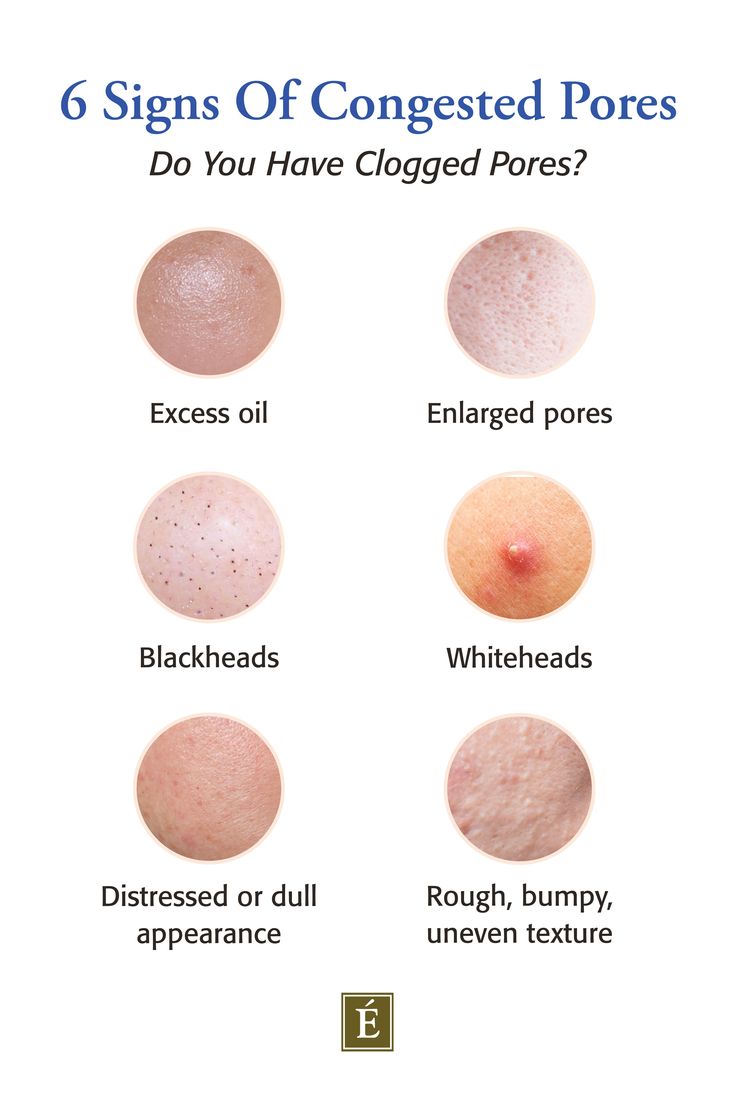
Not every breakout or skin irregularity is caused by clogged pores, and it is vital to distinguish between simple congestion and other dermatological conditions. While blackheads and whiteheads are the direct result of trapped sebum, conditions like rosacea or folliculitis involve inflammation and infection that extend beyond a simple blockage. Observing the size, color, and texture of the bumps is essential for accurate identification; a clear understanding prevents misdiagnosis and ensures you treat the issue with the appropriate method rather than aggravating the skin.


Open vs. Closed Comedones
The two most common manifestations of clogged pores are open comedones and closed comedones, often referred to as blackheads and whiteheads, respectively. A blackhead occurs when the pore remains open while the trapped oil oxidizes upon contact with air, turning the sebum dark brown or black. Conversely, a whitehead forms when the pore closes completely, creating a small, flesh-colored bump that lies just beneath the surface of the skin. Though they differ visually, both are structural blockages that require gentle, consistent care to resolve.
| Type | Formation | Visual Appearance |
|---|---|---|
| Blackhead (Open Comedone) | Pore open, sebum exposed to air | Dark brown/black, open pore |
| Whitehead (Closed Comedone) | Pore closed by skin layer | White or flesh-colored bump |
The Consequences of Neglect
Ignoring clogged pores can lead to a cascade of more severe skin problems beyond surface-level bumps. When follicles are consistently blocked, the sebum builds up and creates an anaerobic environment where bacteria thrive. This bacterial growth triggers the immune system, resulting in redness, swelling, and the formation of inflammatory lesions such as papules, pustules, cysts, or nodules. Addressing congestion early acts as a preventative measure, stopping minor issues from escalating into painful and persistent acne vulgaris that often requires medical intervention.
A Proactive Approach to Management
Managing clogged pores is a marathon, not a sprint, requiring a consistent and thoughtful approach to skincare. The goal is to support your skin's natural functions without stripping or irritating it. This involves cleansing to remove surface debris, exfoliating to encourage cell turnover, and moisturizing to maintain a healthy barrier. Incorporating ingredients like salicylic acid, which can penetrate the oil deep within the follicle, or retinoids, which regulate cell turnover, can be highly effective. Ultimately, a balanced routine that respects the integrity of your skin is the most sustainable way to keep pores clear and complexions smooth.


Related Articles

Beat Clogged Pores on Neck: Causes, Treatments & Prevention
Discovering a persistent bump or rough texture on your neck can be concerning, and more often than not, the culprit is a clogged pore. While commonly...

Clogged Pores on Nose: Causes, Treatments & Prevention Tips
Those tiny bumps lining the sides of your nose are a frustrating reality for many. Clogged pores on nose, often dismissed as simple blackheads or acne, are a...

Beat Blocked Pores on Nose: Causes, Treatments & Prevention
Few things are as unsettling as running a fingertinger along the bridge of your nose and feeling that stubborn, gritty texture of a blocked pore on your nose...

What is Controller Drift? Causes, Fixes & Prevention Guide
Controller drift describes the phenomenon where your on-screen character moves or aims without you touching the analog stick. It feels as if the input sensor...

What is a Leggy Plant? Causes, Fixes & Prevention Tips
Leggy growth is a common and often frustrating visual cue sent by your houseplants, signalling that something is critically out of balance in their...

Dark Armpits Why: Causes, Treatments, and Prevention Tips
Dark armpits are a common skin concern that affects many people, often causing self-consciousness and discomfort. The issue typically presents as a noticeable...