What Is a Breakfast Bar in a Kitchen? A Complete Guide
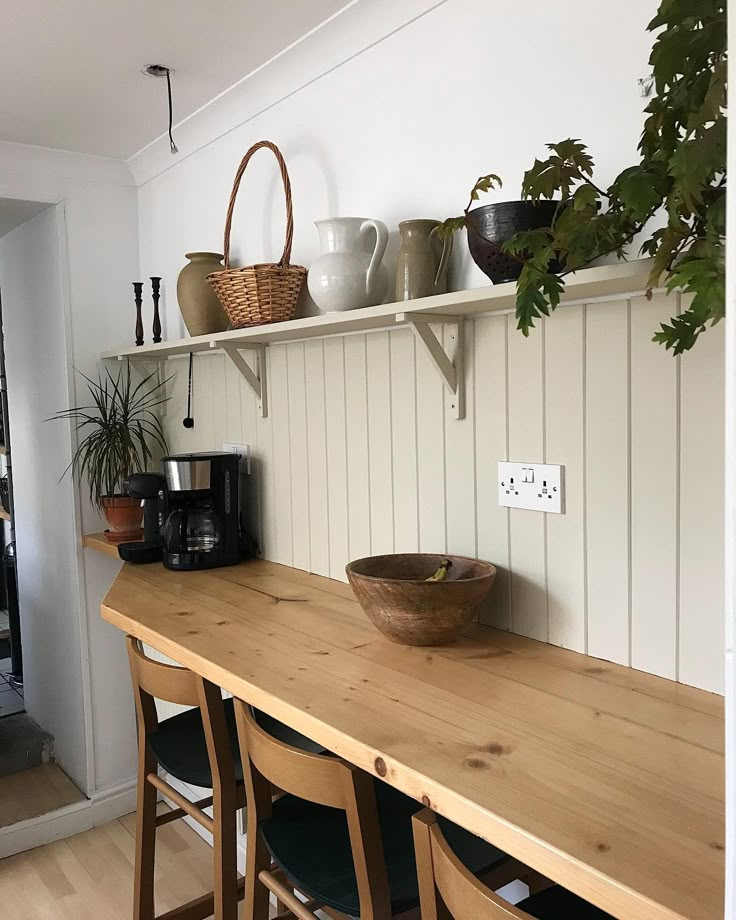
At its most fundamental level, a breakfast bar is a defined section within the kitchen dedicated to the preparation and consumption of morning meals. It serves as a transitional zone, bridging the gap between the functional heart of the home—the cooking area—and the relaxed space of the dining or living room. Unlike a formal dining setup, this area is optimized for efficiency, allowing residents to grab a quick coffee, assemble a bowl of cereal, or heat a pastry while simultaneously checking emails or supervising school preparations.
Design and Spatial Integration
The physical manifestation of a breakfast bar varies significantly depending on the architectural layout of the home. In many contemporary kitchens, it is realized as a section of counter space that extends outward, often adjacent to the wall of a neighboring room. This extension is frequently supported by the same cabinetry framework but features a higher overhang to accommodate bar stools. Alternatively, it can be a distinct peninsula that creates a visual boundary, separating the active cooking zone from the seating area without requiring the closure of a doorway.
Configuration and Layouts
Designers typically categorize breakfast bars into specific configurations to suit different spatial constraints and social dynamics. A linear bar aligns with a straight section of cabinetry, offering a streamlined look that is ideal for narrow spaces. A curved or L-shaped bar introduces a softer aesthetic and provides multiple facing angles, which is beneficial for families or households where interaction is a priority. The most dramatic approach is the U-shaped or circular arrangement, which creates a true focal point and fosters a central gathering spot reminiscent of a small gathering room within the kitchen.


| Configuration Type | Best For | Spatial Requirement |
|---|---|---|
| Linear | Small or rectangular spaces | Minimal floor space |
| L-Shaped | Medium kitchens seeking interaction | Moderate corner or offset space |
| U-Shaped/Circular | Large spaces focused on socializing | Significant square footage |
Functional Components and Workflow
While the term "bar" suggests a surface for liquids, the functionality of a breakfast area extends far beyond serving beverages. It is a carefully integrated node within the kitchen's workflow triangle. Ideally, it is positioned near the refrigerator for easy access to milk and juice, adjacent to the dishwasher or drying rack for swift unloading, and close to the pantry for grabbing dry goods like cereal and granola. This strategic placement minimizes movement during the morning rush, turning potential chaos into a streamlined routine.
Appliance Integration
To maximize efficiency, modern breakfast bars often incorporate specific appliances that cater to morning rituals. A dedicated coffee maker, whether it is a built-in espresso machine, a single-serve pod device, or a classic drip brewer, is a common feature. Toasters, toaster ovens, and compact microwaves are frequently built into the cabinetry or placed on the counter surface to ensure that toasted bread and heated leftovers are always within immediate reach. This integration transforms the bar into a complete culinary station rather than a simple snack counter.


The Social and Psychological Role
Beyond utility, the breakfast bar plays a significant role in the social fabric of a household. It serves as a casual venue for conversation, allowing parents to prepare dinner while engaging with children about their day. In open-plan living situations, it acts as a visual anchor that connects the kitchen to the living space, ensuring that the cook does not feel isolated behind closed doors. The presence of stools encourages lingering, turning a rushed meal into a moment of connection without requiring the formal setup of a dining table.
Material Selection and Maintenance
The durability and aesthetic of the breakfast bar are largely determined by the materials chosen for the countertop surface and the seating stools. Quartz and granite are popular choices for the work surface due to their resistance to heat, scratches, and the inevitable spills of orange juice and coffee. Stools typically feature padded seats for comfort during longer morning sessions and are mounted on materials like wood or metal that complement the overall kitchen design. The selection of these elements directly impacts the long-term maintenance required to keep the area looking its best.
Ultimately, the breakfast bar is a pragmatic solution to the modern pace of life. It acknowledges the morning rush while attempting to infuse it with a touch of comfort and connection. By optimizing a small section of the kitchen, it creates a zone that supports both the functional demands of food preparation and the emotional need for a shared start to the day.




Related Articles

What is a Chinois Used For? The Ultimate Kitchen Essential Guide
A chinois is a conical strainer, typically made of stainless steel, that rests atop a bowl or pot. Its defining feature is the fine, mesh weave that acts as a...

What Is an UNO Socket Lamp Base? A Complete Guide
An uno socket lamp base is a standard lighting component often found in household and commercial fixtures. The name derives from the Italian word for "one,"...

What Colours Make Cream: A Complete Guide to Perfect Tones
Cream is a timeless colour that evokes feelings of warmth, comfort, and elegance. It is a versatile neutral that serves as a perfect backdrop for countless...

What Animals Eat Pumpkin Seeds: A Complete Guide
While often overlooked as a mere snack for humans, the pumpkin seed holds a surprising place in the diets of the natural world. These small, nutrient-dense...

What Are Gazebos Used For: A Complete Guide to Outdoor Living
Stepping into a backyard sanctuary or hosting an intimate outdoor gathering often begins with a single, defining structure. A gazebo is more than just a...

What Does Link in Bio Mean? The Complete Guide To Instagram Link In Bio
At its core, the phrase "what does link in bio mean" represents a fundamental question in the modern digital landscape. When a profile on Instagram, TikTok, or...