What Do Poinsettias Symbolize? Meaning, Traditions & Festive Secrets
Often mistaken for a simple seasonal decoration, the poinsettia carries a rich legacy that stretches far beyond the holiday season. While its vibrant red bracts are a ubiquitous sight in shopping malls and churches during the winter months, this plant has a deep history intertwined with celebration, faith, and cultural identity. To understand what the poinsettia symbolizes is to look beyond its striking appearance and into the stories of ancient civilizations and modern traditions that have shaped its meaning over centuries.
The Ancient Roots of a Modern Icon
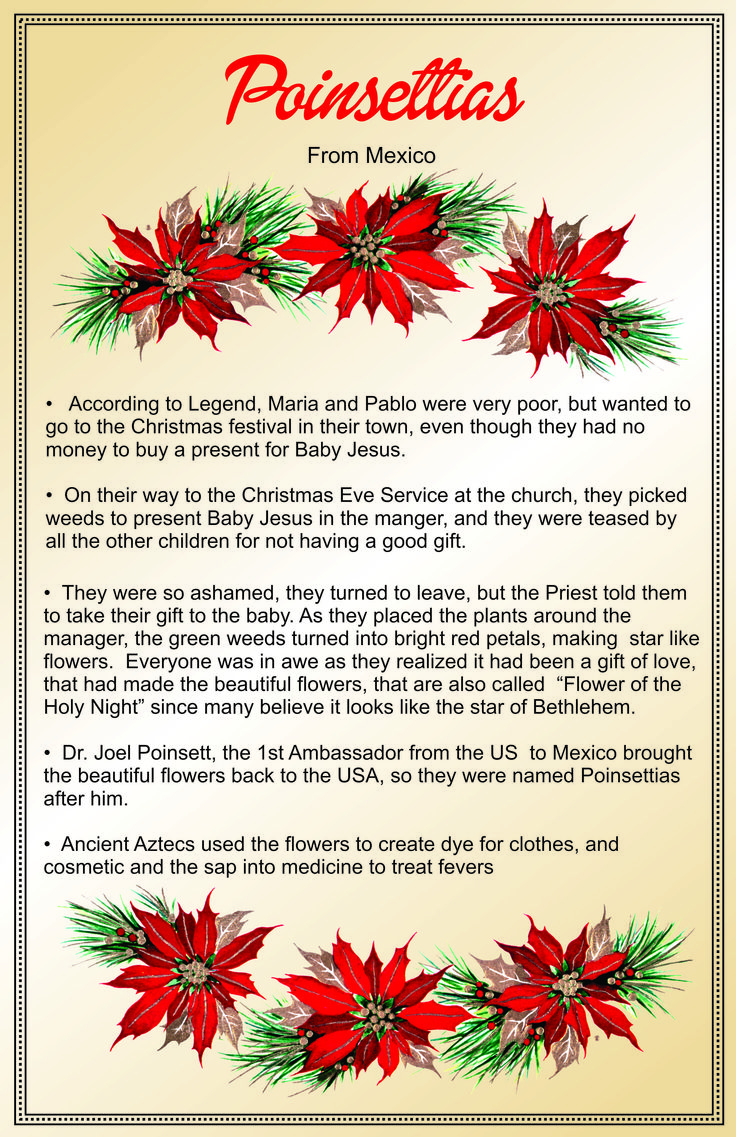
Long before Europeans arrived in the Americas, the poinsettia held significant value for the indigenous peoples of Mexico and Central America. The Aztecs knew the plant as "Cuetlaxochitl" and utilized not only its brilliant red pigment for dyes and cosmetics but also valued it for its medicinal properties, using it to treat fever. However, the plant's most profound historical connection is the legend of Pepita, a young Mexican girl who, with no gift to offer the Christ child at Christmas, gathered a bundle of weeds. As she laid them at the altar, they miraculously blossomed into the red star-shaped flowers we recognize today, thus establishing the flower's enduring link to the nativity and purity of heart.
Purity and New Beginnings
At its core, the poinsettia's primary symbolism revolves around purity and new beginnings. The story of Pepita cemented the association between the plant and selfless giving. The star-shaped pattern of the bracts is said to represent the Star of Bethlehem, which guided the Three Wise Men to the birthplace of Jesus. Consequently, the vibrant color of the "flower"—which are actually modified leaves called bracts—often represents the blood of Christ and the sacrifice made for humanity. This connection makes the poinsettia a powerful emblem of faith, hope, and spiritual rebirth during the darkest time of the year.


Modern Cultural Associations
In the modern era, the poinsettia has seamlessly woven itself into the fabric of contemporary holiday culture, evolving its symbolism to represent joy, celebration, and festive goodwill. The act of giving a poinsettia has become a universal gesture of cheer, representing a wish for happiness and prosperity in the new year. Unlike the fleeting nature of cut flowers, poinsettias are often kept alive long after the holidays, symbolizing the enduring nature of the traditions and memories shared with family and friends. They serve as a vibrant reminder to cherish moments of warmth and connection during the cold winter season.
Global Recognition and "Eckespoint"
Interestingly, the global recognition of the poinsettia is largely due to Joel Roberts Poinsett, the first United States Minister to Mexico, who brought the plant back to his home country in the 1820s. Because of this, the flower bears his name. However, in many parts of the world, particularly in Germany and the Philippines, the plant is affectionately known as "Eckespoint" or "poinsettia," directly linking its identity to the man who introduced it to international markets. This widespread cultivation and exchange have solidified its status as a universal symbol of the holidays, recognized by nearly every culture that celebrates the season with light and decor.


Beyond the Red: The Psychology of Color
While the classic red variety dominates the market, the symbolism of the poinsettia expands with its color palette. Red, as previously mentioned, dominates the conversation, but modern horticulture has gifted us with varieties in white, pink, marbled, and even speckled patterns. White poinsettias symbolize purity, innocence, and new starts, often preferred in elegant wedding decor or spiritual settings. Pink varieties are frequently associated with romance, gratitude, and admiration, making them a thoughtful gift to express appreciation. This kaleidoscope of colors allows the plant to adapt its meaning, fitting into themes of joy, elegance, and celebration far beyond the Christmas narrative.
Caring for a Living Symbol
Understanding the history and symbolism of the poinsettia fosters a sense of responsibility in its care, transforming it from a disposable holiday item into a living piece of art. To ensure the plant thrives beyond the season, it requires specific conditions such as ample indirect light and consistent moisture. By nurturing the plant to keep its colorful bracts intact, the grower participates in the ongoing story of the flower. Successfully maintaining a poinsettia ensures that the symbols of hope, celebration, and renewal continue to bloom in your home or office, serving as a testament to the enduring legacy of this remarkable plant.


Related Articles

What Does a Dove Symbolize: Peace, Love & Spiritual Meaning
The dove is one of the most enduring and recognizable symbols in human history, representing a convergence of peace, spirituality, and emotional depth across...

The Secret Meaning of Pink Roses: Symbolism & Love
Pink roses carry a rich emotional language that has evolved over centuries. Often the first flower people think of when expressing gentle affection, their...

What Does Mama's Plant Symbolize? The Hidden Meaning Behind the Leaf
The seemingly simple question, "what does mama's plant symbolize," opens a door into a world where botany, emotion, and memory intertwine. Often, the plant...

What Do Primroses Symbolize? Find the Hidden Meaning & Secrets
Primroses, with their delicate petals and vibrant hues, have captivated gardeners and poets alike for centuries. Far more than just charming spring blooms...

The Ultimate Guide to the Christmas Flower: Poinsettia Secrets & Traditions
The Christmas flower most synonymous with the holiday season is the vibrant Poinsettia, with its bold red bracts and dark green foliage. While often mistaken...

The Secret Meaning of Red Lipstick: Symbolism & Style
Red lipstick is far more than a cosmetic choice; it is a potent symbol woven into the fabric of human history, representing a spectrum of ideas from raw power...