What Color Walls Go With Dark Wood Trim: Stunning Design Ideas
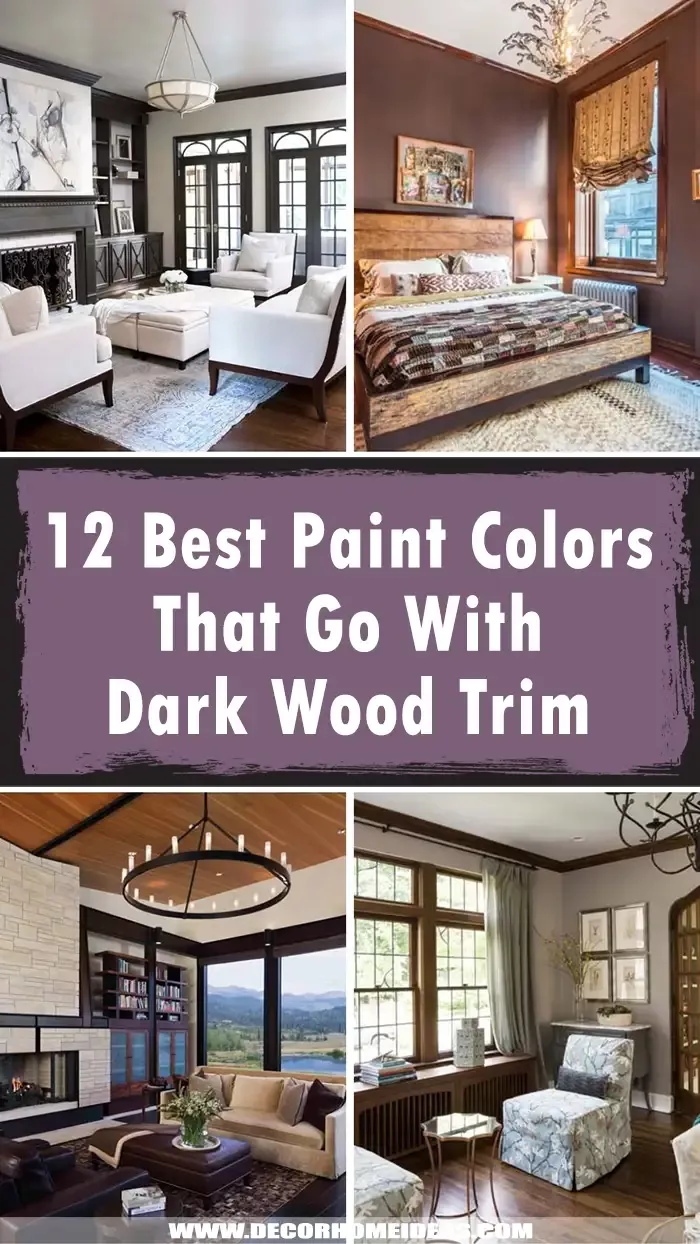
Choosing the right wall color to complement dark wood trim can transform a room from ordinary to extraordinary. The contrast between the deep, rich tones of the wood and the lighter, expansive nature of walls creates a dynamic visual balance. When done correctly, this combination adds depth, sophistication, and a sense of curated warmth to any space.
Understanding the Power of Contrast
The fundamental principle behind pairing dark wood trim with light walls is contrast. Dark trim acts as a grounded frame, anchoring the room and providing definition. Lighter walls, conversely, create an airy backdrop that makes the space feel larger and brighter. This classic high-contrast approach is timeless because it effectively highlights architectural details like crown molding, door frames, and baseboards, making them the focal point of the room.
The Neutral Palette: Safe and Sophisticated
For a serene and elegant aesthetic, neutral wall colors are the most versatile choice. Shades of white, cream, beige, and soft gray create a harmonious relationship with dark wood, allowing the warmth of the wood to stand out without clashing. Off-white hues, in particular, offer a layer of depth that pure white might lack, creating a sophisticated and inviting atmosphere that works in both traditional and modern settings.


- Soft White: A crisp, clean backdrop that makes dark wood pop.
- Greige (Gray + Beige): A warm neutral that bridges the gap between wood and wall seamlessly.
- Warm Gray: A modern alternative to beige that adds subtle sophistication.
Embracing Bold Color Statements
While neutrals are a safe bet, adventurous homeowners can use dark wood trim as a striking contrast against bolder wall colors. Deep jewel tones like navy blue, emerald green, or charcoal gray create a dramatic, moody atmosphere reminiscent of a classic library or theater. The key is to ensure the wall color is rich and saturated enough to stand up to the dark wood without being overwhelmed by it.
Navigating Color Theory
Color theory provides a helpful framework for selecting bold walls. Complementary colors, which sit opposite each other on the color wheel, create high energy and visual interest. For instance, dark wood with orange undertones can be paired with a blue-gray wall. Analogous colors, which are next to each other on the wheel, offer a more subtle and cohesive look, such as pairing dark brown trim with walls in warm terracotta or rust tones.


| Wall Color Family | Best Paired With | Vibe Created |
|---|---|---|
| Navy Blue | Brass or Gold Hardware | Regal and Dramatic |
| Olive Green | Natural Textures like Linen | Earthy and Organic |
| Dusty Pink | Brushed Nickel Fixtures | Romantic and Soft |
Considering Room Function and Light
The perfect color also depends on the room's function and natural light availability. In a small home office, a slightly deeper tone like Benjamin Moore's "Hale Navy" can create focus and inspiration without closing in the space. Conversely, a south-facing sunroom with abundant light can handle cooler tones, while a north-facing room with limited light benefits from warmer, yellower neutrals to offset the coolness of the dark wood.
Testing and Refining Your Palette
Ultimately, theories and trends are secondary to how colors look in your specific environment. Paint large swatches directly onto the wall and observe them at different times of the day. Natural light drastically shifts the appearance of a color. Viewing the paint against your actual dark wood trim—whether it's mahogany, ebony, or painted white—will provide the most accurate representation of the final result and ensure your choice feels authentic to your personal style.


Related Articles
What Paint Color Goes Well with Dark Wood? Stunning Ideas
Choosing the right paint color for a room with dark wood flooring, trim, or cabinetry can feel intimidating. The deep, rich tones provide an elegant...

Gray Furniture What Color Walls Perfect Pairing Design Ideas
Gray furniture presents a unique design opportunity, acting as a sophisticated neutral that pairs beautifully with a vast spectrum of wall colors. Choosing the...

Transform Your Space with Stunning Dark Trim Painting Ideas
Transforming a room often comes down to the smallest details, and one of the most impactful upgrades is painting dark trim. While white or light frames have...

Stunning Dark Trim House Interior Design Ideas
Dark trim house interior design has surged in popularity, transforming houses into dramatic, sophisticated sanctuaries. This approach moves beyond the...

Best Color Sofa for Dark Wood Floors: Stunning Style Ideas
Selecting the best color sofa for dark wood floors involves more than just matching a shade; it is about creating a harmonious dialogue between your...

Wood Panelling for Interior Walls: 10 Stunning Design Ideas
Wood panelling for interior walls has long been a cornerstone of sophisticated interior design, offering a tangible sense of warmth and texture that is...