Water Lily Colors: 10 Stunning Shades for Your Garden Pond
The water lily, a genus of aquatic plants famed for their graceful foliage and stunning flowers, presents a captivating spectrum of water lily colors. Often associated with tranquility and purity, these blossoms transform ponds and lakes into living canvases. From the delicate blush of a dawn opening to the deep, mysterious hues of twilight blooms, the color palette of this genus is surprisingly diverse and biologically significant.
The Classic Palette: Whites and Pinks
When one imagines a water lily, the image of a white or pale pink flower often comes to mind. This classic palette dominates many temperate climates and is frequently celebrated in art and literature. The white variants, such as the iconic *Nymphaea odorata*, often appear ethereal and luminous, particularly in the early morning light. These flowers are not merely aesthetic; their pale coloration helps regulate temperature and attract specific nocturnal pollinators.
- Peace and Purity: The white water lily is a universal symbol of peace, purity, and spiritual enlightenment.
- Gentle Romance: Soft pink varieties evoke a sense of gentle romance and timeless elegance, making them a favorite for formal garden ponds.
Embracing Warmth: Yellows and Oranges
Moving beyond the cool tones, the water lily color spectrum warms up with vibrant yellows and energetic oranges. These varieties, such as the hardy *Nymphaea mexicana*, bring a sense of joy and vitality to any aquatic landscape. Unlike their cooler counterparts, yellow water lilies are often day-bloomers, soaking in the sun and providing a striking contrast to green lily pads.


- Golden Glow: Yellow varieties radiate positivity and are often associated with joy, optimism, and intellectual energy.
- Vibrant Focus: The bold orange tones act as a focal point, drawing the eye and creating a dramatic statement in garden design.
The Depths of Drama: Reds, Purples, and Maroons
For the gardener seeking boldness, the collection of red, purple, and maroon water lilies offers an unparalleled depth of drama. These rich, intense water lily colors suggest luxury, passion, and mystery. Varieties like the *Nymphaea 'Red Flare'* begin as a deep burgundy and often lighten slightly as they mature, revealing a complex texture that captivates the observer.
Symbolism of the Darker Tones
While lighter colors might represent innocence, the darker water lily hues lean into symbolism of strength, power, and the unknown. They mimic the deep, mysterious tones of the pond's depths where the roots take hold. These blooms are less about subtlety and more about making a powerful statement, often appearing velvety and rich in texture.


| Color Family | Common Association | Example Varieties |
|---|---|---|
| White | Purity, Peace | Nymphaea odorata, Alba Plena |
| Pink | Grace, Romance | Madame Wilfron Gonnere |
| Yellow | Joy, Optimism | Nymphaea mexicana, Sophie Fry |
| Red/Purple | Power, Mystery | Nymphaea 'Red Flare', Black Tulip |
Hybrid Innovation: The Blue and Green Frontier
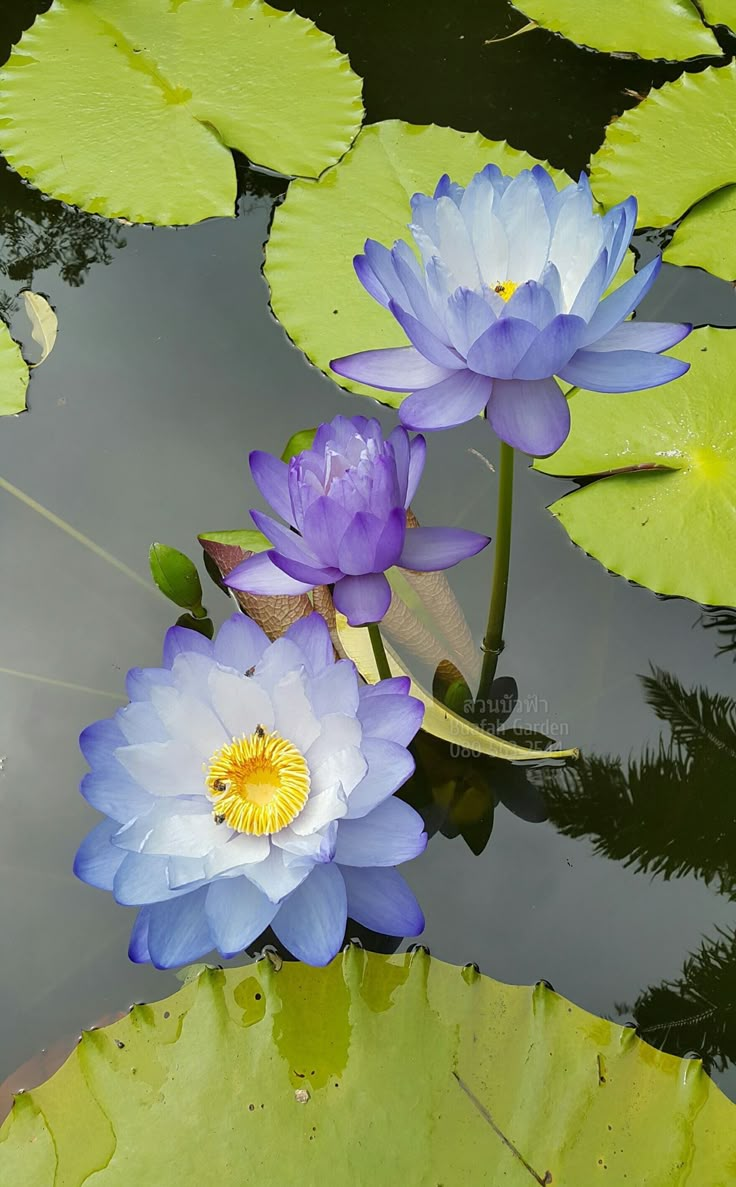
True blue water lilies were once the stuff of horticultural legend, but modern hybridization has brought them into reality. While the color is often closer to a violet-blue or lavender, these varieties represent a significant milestone in cultivation. Similarly, the pursuit of the perfect green water lily color has led to unique variegated leaves, featuring patterns of white and green that shimmer in the water.
The interaction between water color and bloom color is a subtle art. A clear blue sky will make a purple bloom appear richer, while a green lily pad provides the perfect complementary backdrop for almost any flower color. Understanding this dynamic allows pond owners to curate specific moods and atmospheres through plant selection.
Seasonal Shifts and Environmental Influence
It is important to note that water lily colors are not always static. The pH level of the water, much like the hydrangea, can influence the vibrancy and sometimes the actual tone of the bloom. Acidic soils might deepen certain reds, while alkaline conditions can soften others.


Furthermore, the flower's life cycle plays a role. A bud might emerge as a tight, dark bud, only to unfurl into a lighter shade as it matures. Observing these changes adds another layer of enjoyment to the cultivation of these aquatic beauties, connecting the grower to the natural rhythms of the plant.



Related Articles

DIY Pond Waterfall Ideas: How to Create a Stunning Water Feature in Your Garden
Creating a pond waterfall introduces movement, sound, and a dynamic focal point that elevates a standard garden pond into a tranquil ecosystem. The gentle rush...

Grout Paint Colors: 50+ Stunning Shades to Transform Your Tile Game
Selecting the right grout paint colors can fundamentally transform the appearance of your tiled surfaces, turning a basic installation into a design statement...

20+ Stunning Paint Colors Purple Shades for Your Next Design
Selecting the perfect paint colors purple shades can transform a room from ordinary to extraordinary, imbuing the space with a specific mood and character...

20+ Raised Pond Edging Ideas for a Stunning Water Garden
Raised pond edging is the unsung hero of a successful water garden, providing the crucial transition between the aquatic environment and the surrounding...

Elegant Pond Statue Fountains: Transform Your Garden with Timeless Water Features
For architects, landscapers, and homeowners seeking to elevate an outdoor space, a pond statue fountain represents the pinnacle of serene sophistication. This...

20 Backyard Pond Ideas: Stunning Water Garden Designs
Transforming a simple backyard into a personal sanctuary is easier than you might think, and a water garden provides the perfect solution. A well-designed pond...