Victorian Christmas Food: Festive Feasts & Traditional Recipes for a Yuletide Feast
The Victorian Christmas food scene represents a remarkable transformation of the holiday table, evolving from modest peasant fare to an elaborate spectacle of abundance. During the 19th century, particularly under the influence of Queen Victoria and Prince Albert’s German traditions, the English Christmas dinner became a powerful symbol of family, prosperity, and festive celebration. This shift was fueled by increased accessibility of ingredients, the rise of servants enabling complex preparations, and the publication of iconic recipes in bestselling cookbooks, forever changing the landscape of the holiday meal.
The Centerpiece: Roast Goose and the Rise of the Turkey
While the turkey is now synonymous with the modern Christmas dinner, it was actually a relative latecomer to the Victorian table, only becoming affordable for the middle classes in the latter half of the century. For much of the era, a plump roast goose remained the traditional centerpiece for many households, its rich, dark meat prized for its depth of flavor. The bird was often stuffed with a savory mixture of chopped bacon, onions, apples, and herbs, a practice that echoed older culinary traditions. The sight of a golden-brown goose dominating the festive sideboard was a classic Victorian image, representing a hard-earned indulgence for the year’s most important meal.
Accompaniments Fit for a King
No Victorian Christmas feast was complete without an array of lavish side dishes designed to complement the main roast. These were not mere fillers but essential components of the meal’s grandeur, showcasing the family’s ability to provide. The table would groan under the weight of roasted root vegetables like parsnips and carrots, earthy Brussels sprouts, and creamy mashed potatoes. Bread sauce, a humble yet essential accompaniment made from milk, onion, and stale bread, was a ubiquitous Victorian creation, its sweet and savory profile perfectly cutting through the richness of the meat. For the affluent, dishes like breaded oysters or baked salmon might appear as additional luxurious options on the extensive spread.


Festive Bakes and Christmas Pudding
The Victorian era cemented the tradition of the elaborate Christmas pudding, transforming it from a simple boiled pottage into a grand, booathed spectacle. Originally a mixture of meat, greens, and fruit, it had evolved into a dense, rich concoction packed with dried fruits, suet, spices, and a generous splash of brandy or rum, often aged for weeks to develop its complex flavor. This iconic dessert was frequently stirred by family members, with each participant making a wish, and was traditionally presented with a sprig of holly ablaze. Alongside the pudding, an assortment of mince pies—a legacy of medieval spiced meats turned sweet—provided smaller, decorative bites overflowing with dried fruit and warming spices like cinnamon and nutmeg.
| Dish | Key Ingredients | Historical Context |
|---|---|---|
| Christmas Pudding | Dried fruit, suet, breadcrumbs, spices, brandy | Evolved from medieval "frumenty"; became a symbol of prosperity and family tradition. |
| Mince Pies | Mincemeat (fruit, suet, spices), pastry | Originally contained meat; transformed into a sweet, celebratory pastry. |
| Brussels Sprouts | Sprouts, butter, salt, pepper | Gained popularity in Victorian England as a festive vegetable. |
The Christmas Cake and Yule Log
While the Christmas pudding held the stage for many, the Victorian period also saw the rise of the extravagant Christmas cake. Often a multi-tiered affair, this fruit-laden confection was a true showstopper, iced in white sugar to resemble snow-capped peaks and decorated with holly and festive motifs. Another popular centerpiece was the Yule Log, a whimsical cake designed to mimic a real piece of wood. Frosted with chocolate or coffee buttercream and adorned with meringue flames, it was a delicious and visually striking alternative to the dense pudding, offering a lighter, though no less indulgent, end to the savory main course.


Beverages of the Season
Drinks played a crucial role in setting the Victorian Christmas atmosphere, flowing as freely as conversation and goodwill. While water was often unsafe, the tradition of wassailing—hot, spiced cider or ale drunk in a cheering chorus—remained a popular custom, particularly in rural areas. For the more refined table, sweetened wine punches like “Lambswool” (made with apples, sugar, and wine) were served. The most significant beverage innovation, however, was the introduction of tea. By the Victorian era, afternoon tea had become a cherished social ritual, and a festive tea service on Christmas Day offered a moment of quiet reflection and warmth amidst the lively chaos of the family gathering.
A Legacy of Abundance
The Victorian Christmas table was far more than a collection of recipes; it was a carefully curated display of wealth, taste, and familial love. The very abundance on the plate was a direct reflection of the Industrial Age’s agricultural advancements and the growing prosperity of the middle class. Many of the dishes and traditions solidified during this period—from the crackle of the roast goose skin to the ceremonial unveiling of the Christmas pudding—remain the bedrock of our modern holiday celebrations. Understanding the Victorian origins of our feast provides a deeper appreciation for the enduring customs that continue to warm our homes every Christmas day.


Related Articles
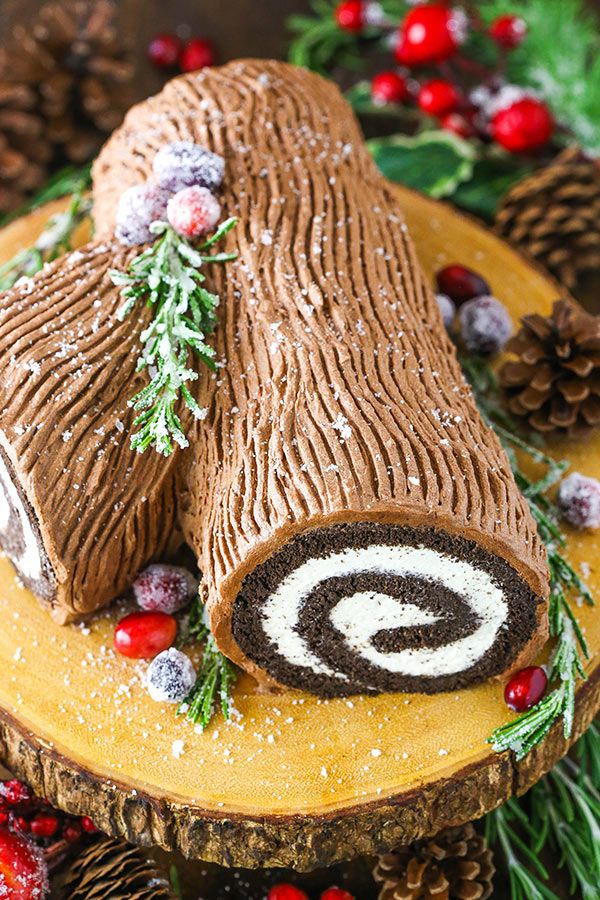
The Ultimate Christmas Yuletide Log: Festive Recipes & Traditions
The Christmas yuletide log is far more than a simple piece of firewood; it is a time-honored symbol of warmth, festivity, and hearthside tradition. This large...

Decadent Chocolate Christmas Dessert Recipes for a Festive Feast
The holiday season is incomplete without the rich, comforting presence of a chocolate christmas dessert. From the first cooling snowflake to the final toast...

Hearty Traditional American Christmas Food Feast
The heart of a traditional American Christmas often beats in time with a familiar rhythm, a comforting cadence of roasted meats and spiced desserts. For many...

Traditional Holiday Food: Festive Recipes & Delicious Classics
From the sizzling turkeys to the simmering pots of stew, traditional holiday food is more than just sustenance; it is the edible architecture of our most...

Delicious Christmas Themed Food Ideas for Festive Feasts
The aroma of mulled wine, the sight of a golden turkey, and the vibrant colors of a fruitcake define the sensory landscape of the holiday season. Christmas...

Delicious Thanksgiving Food Dishes Recipes For Feast
The centerpiece of any Thanksgiving celebration is, of course, the food. From the moment the oven door swings open, releasing that iconic mix of roasted...