Vegan Sugar-Free Banana Bread: Moist & Healthy Recipe
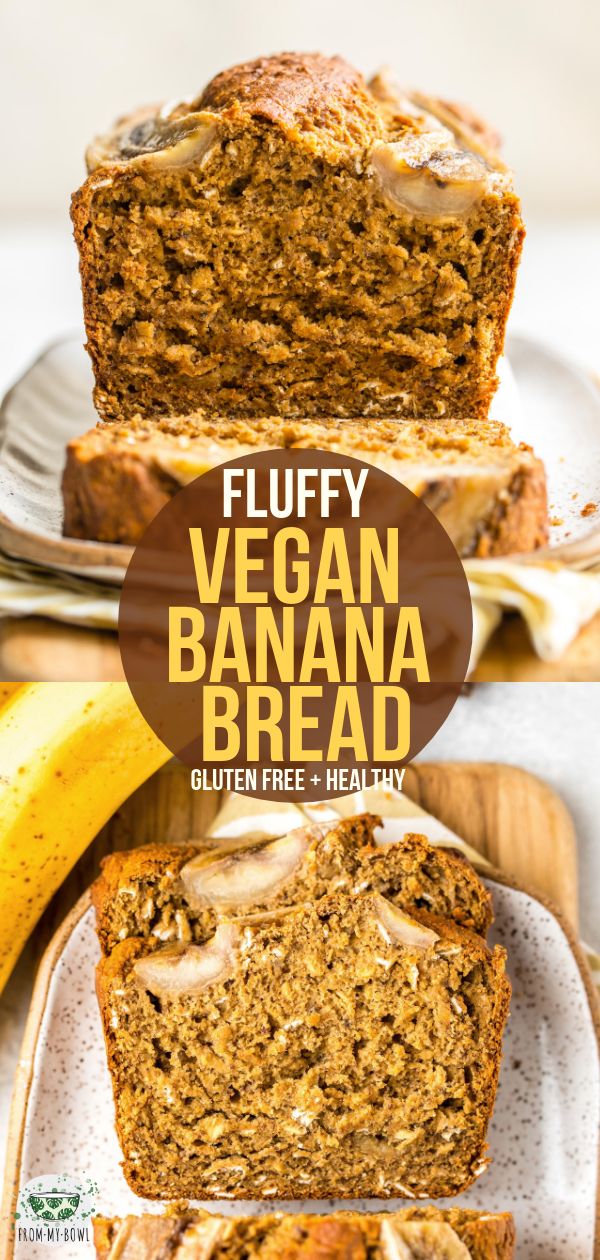
The humble banana bread has long been a staple of home baking, celebrated for its comforting aroma and naturally sweet flavor. For those following a vegan lifestyle or monitoring their sugar intake, however, finding a truly satisfying loaf can feel like a constant compromise. This guide unlocks the secrets to creating the perfect vegan sugar free banana bread, a recipe that delivers on moistness and flavor without relying on refined sugars or animal-derived ingredients.
At its core, the magic of this dessert lies in the ripe banana. When bananas develop those speckled brown spots, their starch has broken down into simple sugars, creating an intense sweetness that eliminates the need for added granulated sugar. This natural fruit sugar, combined with the binding properties of flax or chia seeds instead of eggs, forms the foundation of a loaf that is both vegan and inherently sugar free. The result is a dense, flavorful quick bread that feels indulgent while remaining aligned with specific dietary goals.
Mastering the Dry Ingredients
Building the right texture is essential for a vegan banana bread that doesn't turn out gummy or dry. A careful balance of flours and leavening agents ensures a tender crumb that holds together without being tough. Moving beyond all-purpose flour opens up a world of nuanced flavors and nutritional benefits.


Flour and Texture
While standard all-purpose flour works well, incorporating whole wheat flour or oat flour adds a deeper, more rustic flavor profile and increases the fiber content. The combination creates a soft yet substantial crumb. To prevent the final product from becoming too dense, it is crucial to measure flour correctly by spooning it into the measuring cup and leveling it off, rather than scooping directly from the bag, which compacts the flour and leads to a dry result.
Binding and Leavening
Without eggs, the bread requires a reliable binder to maintain its structure during baking. A mixture of ground flaxseed or chia seed with water creates a gel-like substance that mimics the binding action of an egg perfectly. For leavening, baking soda is the ideal choice, as it reacts with the natural acidity of the bananas and the wet ingredients to create a light, airy rise. A touch of baking powder can be added for an extra boost to ensure a tall, springy loaf.


The Wet Ingredient Symphony
Creating the wet ingredient mixture is a straightforward process, but attention to detail makes all the difference. The goal is to create a smooth emulsion that ensures even distribution of flavor and leavening agents throughout the batter.
- Mashed Bananas: Use a fork to mash the fruit to your preferred consistency. A few small lumps are acceptable and even desirable, as they provide bursts of concentrated flavor.
- Liquid Sweetener: Maple syrup or agave nectar adds moisture and helps to caramelize the edges of the bread during baking, contributing to a richer color and deeper taste.
- Plant-Based Fat: Coconut oil or melted coconut butter adds a luxurious mouthfeel and helps keep the bread moist for several days.
- Vanilla Extract: This is the secret weapon for complexity. It rounds out the banana flavor and masks any potential earthiness from the flax eggs.
Customization and Add-Ins
One of the greatest advantages of baking your own sugar free banana bread is the ability to tailor it to your personal preferences and pantry inventory. The base recipe is remarkably versatile, providing a blank canvas for a variety of textures and flavors.
Nut and Seed Variations
Stirring in a handful of chopped walnuts, pecans, or almonds adds a delightful crunch that contrasts beautifully with the soft interior. Seeds like pumpkin or sunflower can also be incorporated for an extra boost of healthy fats and protein, making the bread more substantial and satisfying as a breakfast option.


Spice and Sophistication
Vegan sugar free banana bread is a prime candidate for warming spices that evoke the feeling of home. A teaspoon of ground cinnamon can transform the flavor profile, while a pinch of nutmeg or ginger adds a sophisticated kick. For those who enjoy a bolder profile, a sprinkle of sea salt on top before baking enhances the natural sweetness of the bananas and creates a delicious flavor contrast.
Baking for Perfection
Oven temperatures can vary significantly, which is why visual and tactile cues are more reliable than the timer alone. Pouring the batter into a well-greased loaf pan ensures even baking and easy removal. To check for doneness, insert a wooden skewer or toothpick into the center of the loaf; if it comes out clean or with only a few moist crumbs attached, the bread is ready to cool.
Allowing the bread to rest in the pan for 10 minutes before transferring it to a wire rack is a critical step. This brief period allows the structure to set, making slicing clean and preventing the loaf from falling apart. Once completely cool, the slices reveal a tender, golden interior that is perfect for a quick breakfast or an afternoon snack. Stored in an airtight container at room temperature, it will stay fresh for several days, or it can be frozen for weeks of convenient enjoyment.


Related Articles

Sugar-Free Vegan Banana Bread: The Ultimate Healthy Recipe
Waking up to the smell of banana bread is a universal comfort, but for those navigating a vegan lifestyle or monitoring their sugar intake, the classic recipe...

Easy Banana Bread Recipe: 10-Minute Moist & Delicious
There is a certain magic to a loaf of easy banana bread rising in the oven, filling the kitchen with the warm, sweet aroma of vanilla and caramelized fruit...

Moist Banana Bread Recipe: The Best Banana Bread Ever
The secret to achieving the best banana bread moist lies not in a single magic ingredient, but in the precise manipulation of fat, sugar, and technique. A...

Vegan Banana Blueberry Muffins: Fluffy, Moist & 100% Plant-Based Recipe
Vegan banana blueberry muffins represent the perfect intersection of health and indulgence, offering a guilt-free treat that does not compromise on flavor or...

Moist Banana Chocolate Chip Bread Recipe – Easy & Delicious
The marriage of banana and chocolate chip creates a dessert that feels both comforting and indulgent. This banana and chocolate chip bread turns overripe fruit...

Air Fryer Banana Bread Recipe: Crispy Crust, Moist Interior
Transforming a classic comfort dessert into a modern, efficient kitchen creation is easier than you might think. This guide focuses on the ultimate banana...