Master USDA Zones Michigan: The Complete Planting Guide
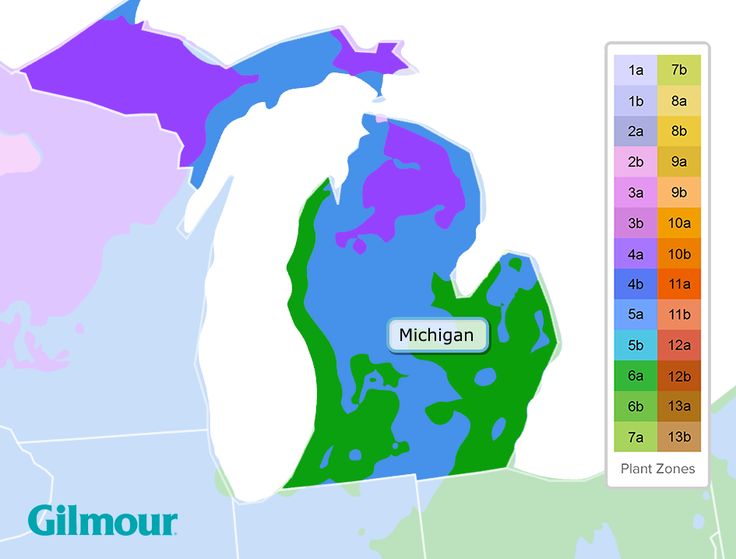
Understanding USDA zones Michigan is essential for any gardener or farmer in the state, as these maps provide the foundational roadmap for plant survival. These zones, defined by the United States Department of Agriculture, are based on the average annual extreme minimum temperature, effectively categorizing the state into distinct climatic regions. For Michigan, this translates to a landscape primarily dominated by Zone 5 and Zone 6, with cooler northern areas falling into Zone 4. This specific temperature data allows residents to move beyond guesswork and select flora that can reliably withstand the harshness of a Michigan winter.
The geography of Michigan creates a fascinating climatic split that directly dictates the hardiness of plants. The Lower Peninsula enjoys a more temperate environment, particularly in the southeastern and southwestern areas closest to Lake Erie and Lake Michigan, which benefit from the moderating influence of the Great Lakes. In contrast, the Upper Peninsula and the northern tier of the Lower Peninsula experience longer, more brutal winters. This geographical variance is the primary reason why the state spans multiple USDA zones, making the selection of suitable trees, shrubs, and perennials a critical first step in any successful landscape plan.
Breaking Down the Michigan Zone Map
While the USDA map provides a general overview, the reality for Michigan gardeners involves a closer look at the specific temperature ranges for each zone. Zone 4, with its extreme minimum temperature range of -30°F to -20°F, is reserved for the coldest northern regions, including areas like the Upper Peninsula's interior and parts of the northern Lower Peninsula. Zone 5, ranging from -20°F to -10°F, covers a significant portion of the state, including many suburban and rural areas. Zone 6, which sees temperatures between -10°F and 0°F, is prevalent in the more protected and southern locales, such as along the shorelines of Lake Michigan and Lake Erie, as well as major urban centers like Detroit and Ann Arbor.


Selecting Plants for Zone 4
Gardeners residing in Zone 4 must prioritize resilience and cold tolerance above all else. This zone demands plants that are not merely hardy but are proven survivors of extreme Arctic blasts. Ideal choices include native species that have evolved to thrive in these conditions, such as paper birch, red osier dogwood, and various species of juniper. When selecting perennials, look for varieties like crown hardy geranium, foamflower, and native grasses, which establish deep root systems that protect them from the freeze-thaw cycles that can heave plants out of the ground.
Thriving in Zone 5 and Zone 6
Expanding your plant palette becomes possible in the slightly milder Zones 5 and 6, though careful consideration is still required. While the winters are less severe, these zones are not without their challenges, including late spring frosts and occasional extreme cold snaps. Zone 5 gardeners can successfully grow a wide range of fruit trees like apples and pears, as well as classic perennials such as peonies, lavender, and many ornamental grasses. Zone 6 opens the door to more Mediterranean and southern-inspired plantings, allowing for the cultivation of fig trees, certain grape varieties, and more delicate flowering shrubs that might struggle in the colder zones.


Microclimates and Urban Heat Islands
It is crucial to remember that the USDA zones are a guideline, not an absolute rule, due to the influence of microclimates. A south-facing wall of a brick house, a courtyard surrounded by buildings, or a garden nestled at the bottom of a slope can all retain heat and create a significantly warmer environment than the surrounding area. Conversely, low-lying areas where cold air settles, known as frost pockets, can be significantly colder. In urban centers, the "urban heat island" effect often allows for a longer growing season, meaning Zone 6 plants might thrive in a downtown Detroit garden but fail just a few miles away in a suburban yard.
Planting Schedules and Seasonal Considerations
Zoning directly impacts not only what you plant but also when you plant it. The average last frost date in Michigan varies dramatically by zone and location, typically falling between late April and late May. Gardeners in Zone 6 can often start warm-season vegetables like tomatoes and peppers earlier in the season, while those in Zone 4 must wait patiently to avoid losing their crops to a sudden freeze. Similarly, the optimal time for dividing perennials or planting spring bulbs shifts earlier in the fall the further south the zone, ensuring roots establish before the ground freezes solid.
Ultimately, leveraging the information provided by the USDA zones Michigan residents can cultivate a successful and vibrant garden. By aligning plant selection with the specific temperature realities of your location, you create a landscape that is not only beautiful but also robust and sustainable. This strategic approach transforms the challenge of a short, cold growing season into an opportunity to design a space that thrives in harmony with the true character of the state.




Related Articles

Master USDA Zones California: The Ultimate Planting Guide
Understanding USDA zones California is essential for anyone looking to cultivate a thriving garden or landscape in the state. The complex climate, ranging from...

Michigan Garden Zone Map 2023: Planting Guide & USDA Hardiness Chart
Understanding the Michigan garden zone map is the critical first step for any gardener looking to cultivate a thriving landscape in the Great Lakes State. The...

Georgia Planting Zones Guide: Master Your Garden's Growing Season
Understanding planting zones in Georgia is the foundational step for any gardener looking to cultivate a thriving landscape. The state's diverse geography...
Georgia Hardiness Zone Map 2023: Planting Guide & USDA Zones
Understanding the hardiness zone map Georgia is essential for any gardener or landscaper aiming to cultivate a thriving outdoor space. This specific map...

Master Ontario Planting Zones: Your Ultimate Gardening Guide
Understanding planting zones Ontario is the foundational step for any gardener looking to cultivate a thriving landscape. The province's diverse climate...

Tennessee Hardiness Zone Map 2023: Planting Guide & USDA Zones
Understanding the hardiness zone map Tennessee is essential for any gardener or landscaper aiming to cultivate thriving plants in the Volunteer State. This...