Creative Upcycle Ideas For The Garden: Transform Trash Into Treasure
Transforming everyday household discards into thriving garden assets is one of the most satisfying ways to cultivate both beauty and sustainability. Upcycling for the garden diverts waste from landfills while providing unique, personalized elements that mass-produced decor often lacks. This approach encourages creativity, turning forgotten objects into functional art that supports local ecosystems.
The Philosophy of Garden Upcycling
At its core, upcycling is about reimagining an item's purpose without compromising its integrity. Unlike simple repurposing, upcycling enhances the original material, adding value in the form of aesthetics or utility. In the garden context, this means evaluating sturdy containers, robust metals, and weathered woods for their potential as planters, edging, or habitat structures. The goal is to integrate these creations seamlessly, ensuring they complement the natural landscape rather than clashing with it.
Creative Planters and Vertical Gardens
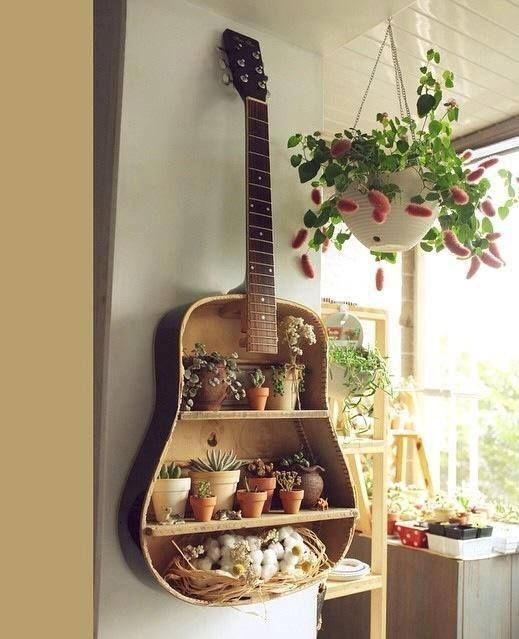
One of the most accessible upcycle ideas involves converting kitchenware into chic plant vessels. Items such as chipped mugs, colanders, and even old teapots can become charming homes for succulents or herbs, provided they have adequate drainage holes drilled into them. For a more dramatic effect, consider building vertical gardens using pocket shoe organizers. These sturdy, fabric-based units hang on walls or fences, transforming blank vertical spaces into lush, green tapestries that maximize small areas.


Hanging Boot and Shoe Organizers
These organizers are specifically designed for robust outdoor use, turning a forgotten closet staple into an instant herb garden or flower display.
Constructing Furniture and Edging
Wooden pallets are a classic upcycling resource, easily converted into sturdy benches, coffee tables, or vertical composters. To ensure longevity, it is crucial to source pallets marked with "HT" (Heat Treated) rather than "MB" (Methyl Bromide), as the latter involves chemically questionable practices. Beyond wood, old tires offer surprising versatility; when stacked and painted, they become vibrant retaining walls or sturdy bases for raised garden beds, effectively defining planting areas without the cost of new lumber.


Attracting Wildlife with Salvaged Materials
Upcycling extends its benefits to the local fauna, turning scraps into essential habitats. A simple bird bath can be created by placing a large, inverted terracotta pot lid on a sturdy brick or log, providing a vital water source for birds. Similarly, bundled bamboo canes or hollowed-out logs stacked in a corner offer shelter for beneficial insects and solitary bees, crucial pollinators that support the health of the entire garden ecosystem.
Lighting and Garden Art
Outdoor ambiance is easily elevated with DIY lighting projects that repurpose glass jars and bottles. By placing battery-operated LED fairy lights inside clean glass pasta sauce jars, you create a warm, inviting glow that outlines pathways or highlights key plants. Additionally, old silverware or broken ceramic plates can be transformed into striking garden mobiles or wind chimes. These artistic elements catch the light and move gracefully with the breeze, adding a layer of personality that is both eco-conscious and visually intriguing.
Planning and Execution Tips
Success in upcycling hinges on careful preparation and material assessment. Always clean discarded items thoroughly to remove grease, chemicals, or residual food that could harm plants or degrade the material. When drilling into ceramics or metal, remember to use appropriate safety gear and take your time to prevent cracking or injury. Finally, consider the scale and color palette of your existing garden; the most effective upcycled pieces integrate harmoniously, enhancing the overall design rather than overwhelming it.


| Material | Potential Project | Key Consideration |
|---|---|---|
| Plastic bottles | Self-watering planters | Ensure structural stability when cut |
| Old drawers | Tiered herb garden | Line interiors to prevent wood rot |
| Wine corks | Sealant for leaky pots | Use only natural, untreated cork |


Related Articles
Creative Upcycle Art Ideas: Transform Trash into Treasure Today
Transforming discarded materials into striking pieces of art is more than a trend; it is a powerful movement that reconnects us with the objects we often...

Creative Upcycling Tin Cans Ideas: Transform Trash Into Treasure
Upcycling tin cans transforms a mundane household item into a statement of creativity and sustainability. Instead of viewing these containers as disposable...

Creative DIY Upcycling Projects: Transform Trash into Treasure Today
DIY upcycling projects transform forgotten objects into purposeful pieces, bridging the gap between creativity and sustainability. Rather than viewing...

Creative Garden Ideas to Transform Your Old Tree Stump into a Stunning Focal Point
Discovering a weathered tree stump in your garden can feel like an unexpected obstacle, yet this remnant of a once-mighty giant presents a unique opportunity...

Creative Garden Recycling Ideas: 10 Eco-Friendly Upcycle Projects
Transforming household and yard waste into garden gold is one of the most satisfying ways to cultivate a healthier outdoor space. Instead of viewing organic...

Transform Your Empty Garden Space Ideas Into a Lush Oasis
Staring out at a bare patch of earth can feel like an invitation rather than a problem. An empty garden space is a blank canvas, a chance to design a personal...