The Ultimate Guide to Underlayment for Metal Roof Installation: Best Picks
When planning a metal roof installation, the focus often lands on the sleek panels, durable coatings, and energy efficiency. However, the layer beneath those visible components is just as critical for long-term performance. Underlayment for metal roof installation acts as the essential barrier that protects the building structure from the elements, providing a secondary line of defense that should never be overlooked.
Understanding the Role of Underlayment
Underlayment serves multiple functions that extend far beyond simple water resistance. It provides a smooth, secondary surface that can hide minor imperfections in the substrate, ensuring a cleaner finish for the metal panels. More importantly, it manages moisture that might penetrate through fasteners or small gaps, preventing condensation from becoming trapped between the metal and the roof deck. This protection is vital for maintaining the integrity of the sheathing and preventing mold growth within the building envelope.
Types of Underlayment Materials
The choice of material is the most significant decision when specifying underlayment for metal roof installation. Each type offers distinct advantages depending on the climate and building requirements.


| Material Type | Key Characteristics | Best Use Case |
|---|---|---|
| Asphalt-Saturated Felt | Cost-effective, breathable, code-compliant | Standard residential applications |
| Synthetic Underlayment | Lightweight, tear-resistant, UV-stable | High-wind areas and modern construction |
| Self-Adhering Membrane | Forms a waterproof seal at seams, ice dam protection | Low-slope roofs and ice-prone regions |
Installation Best Practices
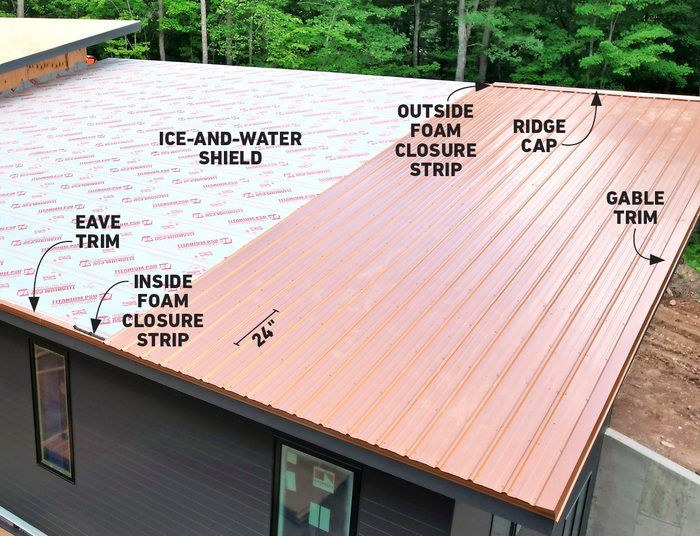
Proper installation is just as important as material selection. For underlayment for metal roof installation to be effective, it must be applied methodically. The underlayment should be installed parallel to the roof slope, starting from the bottom edge of the roof and working upward. Each row should be overlapped correctly to ensure water flows over the seams without finding a way to seep underneath. Fastening patterns must align with the intended panel layout to avoid unnecessary holes that compromise the waterproofing layer.
Ventilation and Thermal Considerations
Metal roofs are subject to significant temperature fluctuations, and the underlayment must be able to handle these variations without degrading. In hot climates, the underlayment should resist tearing and wrinkling when the substrate expands. In cold environments, it must remain flexible to accommodate contraction and prevent cracking. Adequate ventilation is also necessary to allow heat and moisture to escape, reducing the thermal stress on both the underlayment and the metal panels themselves.


The Impact on Longevity and Warranty
Ignoring the underlayment is a common misstep that can lead to premature failure of the entire roofing system. By managing water intrusion and protecting the roof deck, the underlayment directly contributes to the longevity of the metal roof. Many manufacturers of metal panels require specific underlayment types to validate the product warranty. Failing to meet these specifications can void coverage, leaving the building owner financially responsible for leaks or rot that could have been easily prevented.
Environmental and Safety Factors
Modern underlayment options cater to sustainable building practices and safety concerns. Look for products with high recycled content and low environmental impact. Fire resistance is another critical factor; the underlayment should ideally complement the non-combustible nature of metal rather than introduce a vulnerable layer. Choosing a product that meets local building codes for fire rating ensures that the entire roof assembly performs safely in the event of a nearby fire.
Final Recommendations
Selecting the right underlayment for metal roof installation is a balance of science and practical application. It is the unsung hero that ensures the roof performs as intended through heavy rain, driving snow, and punishing sun. By understanding the specific demands of the project—such as climate, roof pitch, and budget—builders can specify an underlayment that provides security, durability, and peace of mind for the life of the installation.


Related Articles

Electrical Box for Drywall: Ultimate Installation Guide & Best Picks
When planning a new build or a renovation, the infrastructure behind the walls is often out of sight and, consequently, out of mind. However, one component...

The Best Beach Cart: Ultimate Guide to Top Picks & Deals
Choosing the right beach cart can transform a day of sun and surf from a logistical hassle into a seamless escape. For anyone who has ever balanced a dripping...

The Ultimate Guide to the Best Flooring Wood: Expert Picks and Trends
Selecting the best flooring wood for your home is a decision that impacts both aesthetics and functionality for years to come. The right hardwood can elevate a...

The Ultimate Guide to Standing Seam Metal Roof Material: Durability, Style & Cost
Standing seam metal roof material has become a preferred choice for both residential and commercial construction, offering a blend of durability, aesthetics...

The Ultimate Guide to Underlayment for Linoleum Flooring: Types, Benefits & Installation
When installing new linoleum flooring, the underlayment is often the unseen hero that dictates long-term performance. This foundational layer sits directly...

Ultimate Guide to Roof Shingles Types: Best Choices for Your Home
When it comes to protecting your home from the elements, few components are as critical as the roof. The shingles laid across this frame form the first line of...