Spicy Showdown: The Ultimate Guide to Types of Red Hot Peppers
From the subtle heat of a fresh poblano to the intense, eye-watering burn of a Carolina Reaper, the world of red hot peppers offers an astonishing spectrum of flavor and fire. Understanding the specific characteristics of each type is essential for both culinary enthusiasts and gardeners, as it transforms the simple act of cooking into a precise craft. This guide moves beyond the generic label of "hot pepper," diving into the distinct profiles, uses, and heat levels that define the most popular varieties.
Decoding the Heat: The Scoville Scale
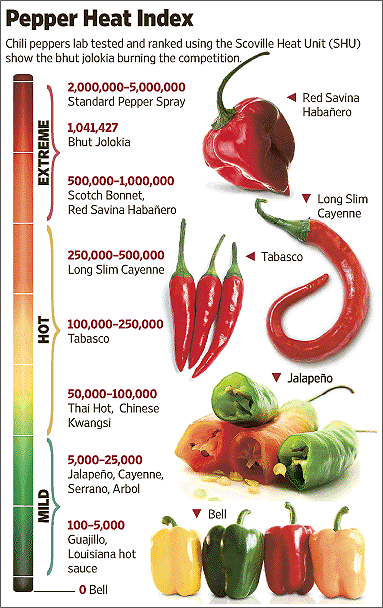
The foundation for appreciating red hot peppers is understanding how we measure heat. The Scoville Heat Unit (SHU) scale, developed by Wilbur Scoville in 1912, quantifies the concentration of capsaicin, the compound responsible for a pepper's spicy sensation. Originally measured by a panel of human tasters diluting a solution until the heat was no longer detectable, modern methods use High-Performance Liquid Chromatography (HPLC) for greater accuracy. This scale is crucial because it provides a concrete reference point, allowing cooks to select peppers with intention rather than guessing and praying.
Mild to Medium Heat: The Culinary Workhorses
Anaheim
Often the first red pepper many people encounter, the Anaheim is a staple of Southwestern and Mexican cuisine. Harvested while green, it turns a vibrant red as it matures, offering a thin wall and a mild, slightly sweet, and grassy flavor. With a Scoville rating of 500–2,500, it provides a pleasant warmth perfect for roasting, stuffing, or adding to salsas without overwhelming the palate.


Poblano
Deep, dark, and almost heart-shaped, the poblano is a large, mild chili that is the star of dishes like chiles rellenos. When dried, it becomes ancho, offering a rich, raisin-like sweetness with hints of tobacco and plum. Its heat level, ranging from 1,000 to 1,500 SHU, is a gentle backdrop that allows complex flavors to shine, making it a favorite for slow-cooked sauces and stews.
Building Block Heat: The Medium Peppers
Fresno
Visually similar to a jalapeño but often thinner and with a smoother skin, the Fresno pepper delivers a significantly bigger punch. As it ripens to a bright red, its flavor profile shifts from grassy to distinctively smoky and fruity. With a Scoville range of 2,500–10,000, it is a versatile workhorse that adds a robust kick to fajitas, burgers, and pepper jellies.


Jalapeño
Arguably the most recognizable pepper globally, the jalapeño is the gateway spice for many. When left to ripen fully on the vine, it turns a brilliant red, often developing small cracks known as "corking." These cracks are a testament to its full, smoky flavor, which is more intense than its green counterpart. Ranging from 2,500 to 8,000 SHU, red jalapeños are perfect for chipotle production, adding a deep, complex heat to nachos, sauces, and marinades.
Intense Heat: Chambers of Fire and Beyond
Cayenne
A mainstay in spice racks worldwide, the cayenne pepper is a long, slender chili that is almost always dried and ground into a fine powder. While fresh cayenne varieties exist, the red powder is the standard for adding heat to countless dishes. With a Scoville rating of 30,000–50,000, it delivers a sharp, penetrating heat that is not about flavor complexity but pure, intense fire, commonly found in hot sauces and rubs.
Habanero
For those who seek serious heat, the habanero is the logical next step. These small, lantern-shaped pods pack a fruity, citrusy flavor that belies their intense heat. Ranging from 100,000 to 350,000 SHU, they are among the hottest commonly available peppers. When ripe, they turn a fiery red or orange, and they are the key ingredient in many of the world's hottest sauces, demanding respect and careful handling.


Extreme Heat: The Final Frontier
Ghost Pepper (Bhut Jolokia)
Originating from India, the ghost pepper caused a global sensation upon its introduction as one of the world's first superhots. With a staggering Scoville rating of 855,000 to 1,042,000, it delivers a delayed, intense heat that can cause sweating and respiratory discomfort. The ripe red pods are wrinkled and have a distinct, smoky, and slightly sweet flavor profile, pushing the boundaries of what is considered edible.
Carolina Reaper
Currently recognized by the Guinness World Records as the world's hottest chili pepper, the Carolina Reaper represents the pinnacle of pepper breeding. Its bumpy, bright red exterior belies a flavor that has been described as sweet and fruity before the brutal heat kicks in. With an average Scoville rating of 1,500,000—peaking over 2 million—it is a test of endurance rather than a culinary ingredient, used primarily by the extreme heat challenge community.




Related Articles

The Ultimate Chili Pepper Plant Care Guide: Grow Spicy Peppers Successfully
Growing chili peppers at home starts with understanding the specific environmental needs of these vibrant plants. Whether you are cultivating fiery habaneros...

Grow Spicy Tabasco Peppers: Ultimate Gardening Guide
Growing tabasco peppers from seed to harvest is a rewarding process for any gardener who appreciates flavor and heat. This journey requires attention to...

The Ultimate Guide to Caring for Jalapeño Plants: Grow Spicy & Healthy Peppers
Jalapeno plants are among the most rewarding crops for both novice and experienced gardeners, offering a reliable harvest of fiery peppers that can transform...

Trader Joe's Mini Peppers: The Ultimate Sweet & Spicy Snack Guide
Trader Joe’s Mini Peppers have become a quiet star in the produce aisle, offering a concentrated burst of flavor in a small package. These petite vegetables...

Blue Berries Unveiled: The Ultimate Guide to Types of Blue Berries
When we think of blue foods, the spectrum is often surprisingly narrow. While blueberries dominate the conversation, nature offers a diverse array of blue and...

Grow Peppers and Cucumbers Together: The Ultimate Companion Planting Guide
Gardeners often look to maximize their space and optimize their harvests, leading to thoughtful questions about companion planting. One frequent inquiry...