Traditional Swedish Meatballs Recipe – Classic Guide & Secrets
Swedish meatballs, or köttbullar, are perhaps the country’s most iconic culinary export, yet their story is far richer than the simple, savory orbs served with lingonberry sauce. This dish represents a century of culinary evolution, born from royal kitchens and refined by the practical needs of the Swedish people. It is a recipe built on balance, where the texture of the meat, the aromatic depth of the spices, and the brightness of the accompanying elements create a harmonious whole. To truly understand this classic, one must look beyond the bowl and into the heart of Swedish food culture.
The Historical Origins of a National Dish
The lineage of the Swedish meatball is not a straight line but a winding path influenced by royal chefs and international trends. While often associated with the rustic traditions of Sweden, the dish is believed to have been adapted from Turkish köfte. King Charles XII of Sweden brought this culinary concept back to Stockholm in the early 18th century after his travels in the Ottoman Empire. It was the royal kitchen of King Gustav III that first codified the recipe, introducing cream and egg yolks to create a richer, more refined texture that distinguished it from its rustic cousin. This act of culinary translation laid the foundation for what would become a beloved national staple.
Key Ingredients and Their Roles
The magic of a great Swedish meatball lies in the quality and balance of its components. The traditional base is a mixture of ground beef and pork, providing a robust flavor and the necessary fat for a juicy interior. However, the true character is built in the supporting cast. A classic recipe will include:


- Panko Breadcrumbs: These create a light, airy texture, preventing the meatballs from becoming dense.
- Onion: Finely minced and sautéed in butter, it adds a sweet and aromatic foundation.
- Cream: Essential for the signature rich and velvety sauce.
- Allspice and White Pepper: These are the quintessential spices, providing a warm, complex flavor without overwhelming the palate.
Unlike their Americanized counterparts, Swedish versions are notable for their restraint, avoiding heavy herbs like oregano or basil in favor of these more Nordic profiles.
The Technique Behind the Texture
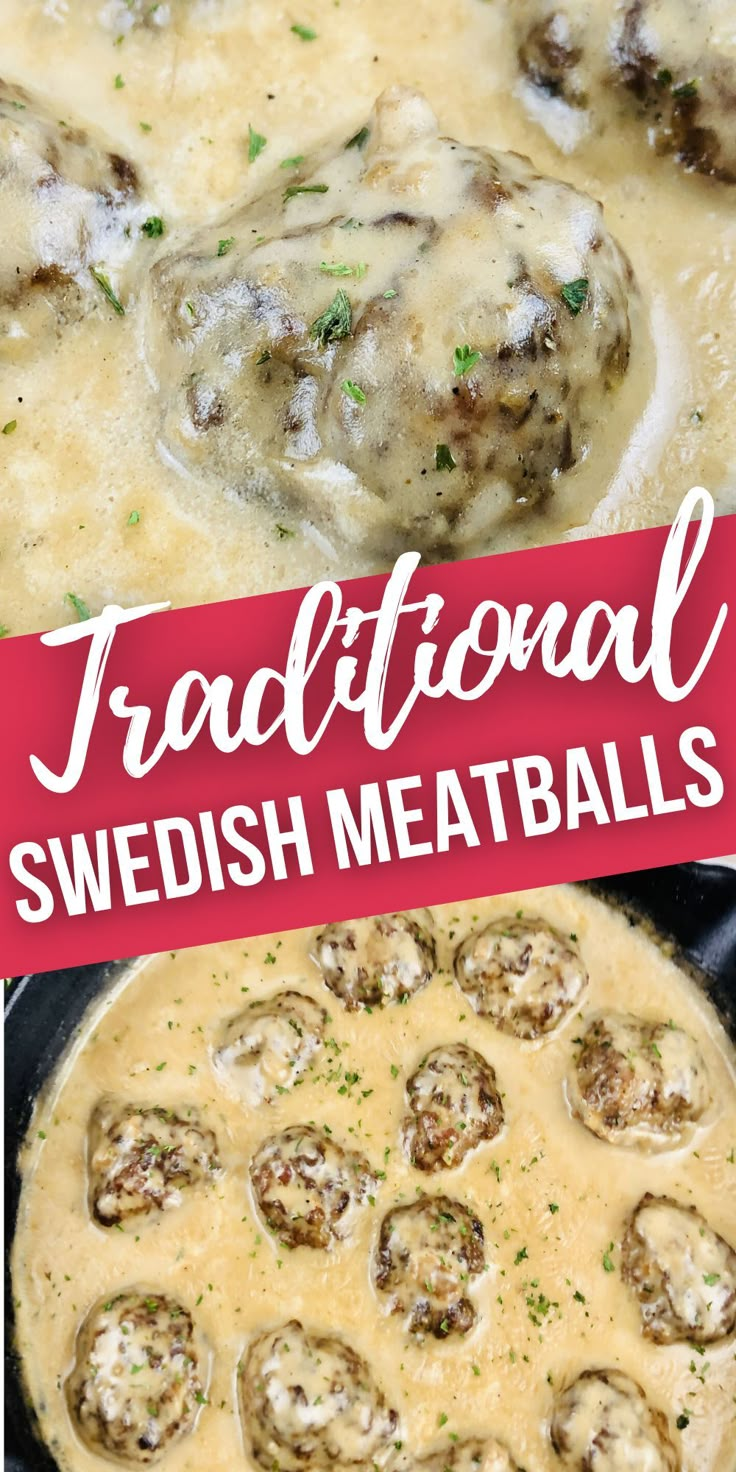
Crafting the perfect meatball is as much about technique as it is about ingredients. The mixture must be handled gently to avoid compacting the meat, which would result in a tough bite. Many chefs recommend partially frying the meatballs in a generous amount of butter before simmering them in the sauce. This initial sear locks in moisture and encourages the panko to toast, enhancing the crust. The simmering process in a creamy sauce, often enriched with a splash of cognac or sherry, allows the flavors to meld slowly, resulting in a tender interior that practically melts in the mouth.


The Serving Ritual: More Than Just a Meal
In Sweden, the presentation of köttbullar is a deliberate and satisfying experience. They are rarely served alone but are part of a composed plate known as a smörgåsbord. The meatballs are nestled upon a foundation of creamy mashed potatoes, which act as the perfect vessel for the sauce. Lingonberry jam, with its bright acidity and slight sweetness, is the traditional condiment, cutting through the richness of the cream. A side of crisp, pickled cucumber provides a necessary textural and acidic contrast, cleansing the palate between bites. This specific arrangement is not arbitrary; it is the ideal balance of flavors, temperatures, and textures that defines the authentic Swedish experience.
While deeply rooted in tradition, Swedish meatballs have proven to be adaptable to modern tastes and dietary needs. Today, it is common to find variations that cater to contemporary preferences. Vegetarian versions using lentils or mushrooms have gained popularity, while health-conscious cooks might opt for turkey or chicken instead of beef. The fundamental principle remains the same: creating a flavorful, juicy component paired with a creamy sauce and bright accompaniments. This versatility ensures that köttbullar remain relevant, bridging the gap between classic home cooking and current food trends.
The Cultural Significance and Global Reach
For Swedes, the meatball is more than just food; it is a symbol of comfort and national identity. It evokes memories of family dinners, festive gatherings, and the warmth of home. The famous IKEA cafeteria, a global ambassador of Swedish culture, has played a significant role in democratizing this dish. By making Swedish meatballs accessible to millions of visitors worldwide, the furniture giant cemented the dish’s place in the international culinary lexicon. Yet, for all its global fame, the soul of the dish remains in the Swedish kitchen, where it is prepared with a level of care and attention that transforms a simple recipe into a cherished tradition.


Related Articles

Classic Traditional Bean Pie Recipe: Heirloom Secret Family Dish
Few desserts manage to capture the soul of a culture quite like the traditional bean pie. While the name might suggest a simple, savory snack, this iconic...

Classic Apple Tart Recipe: Easy Step-by-Step Guide
The classic apple tart is a timeless dessert that marries the humble simplicity of pantry staples with the rich, complex flavor of perfectly spiced fruit. At...

Anniversary Traditional Gifts: The Ultimate Guide to Classic Celebration Ideas
Anniversary celebrations mark significant milestones in relationships, symbolizing endurance and commitment. Selecting the perfect gift to honor these...

The Ultimate Guide to Making Classic Milk Tea: A Delicious DIY Recipe
There is a quiet, almost meditative satisfaction in transforming a few simple ingredients into a perfect glass of classic milk tea. This beloved beverage, with...

Mastering Traditional French Sauces: A Complete Guide to Classic Culinary Techniques
To understand classic French cuisine is to navigate a landscape defined by its sauces. More than mere accompaniments, they are the soul of the cuisine, the...

Classic Cabbage Rolls: The Ultimate Comfort Food Recipe
Traditional cabbage rolls offer a quiet comfort that transcends trends. This humble dish, known by many names such as golabki, sarma, or stuffed cabbage...