Thrips Damage on Plants: Identify, Treat, and Prevent Infestation
Thrips are among the most prevalent and frustrating pests for cultivators and gardeners, operating on a scale that is often invisible until the damage is already significant. These slender, winged insects feed by puncturing individual plant cells and sucking out the contents, which leads to a cascade of physiological disruptions that compromise the plant's health and vitality. Managing an infestation requires an understanding of the specific signs of thrips damage, the mechanisms of their destruction, and the proactive strategies needed to protect valuable foliage and blooms.
Identifying the Visual Signs of Thrips Damage
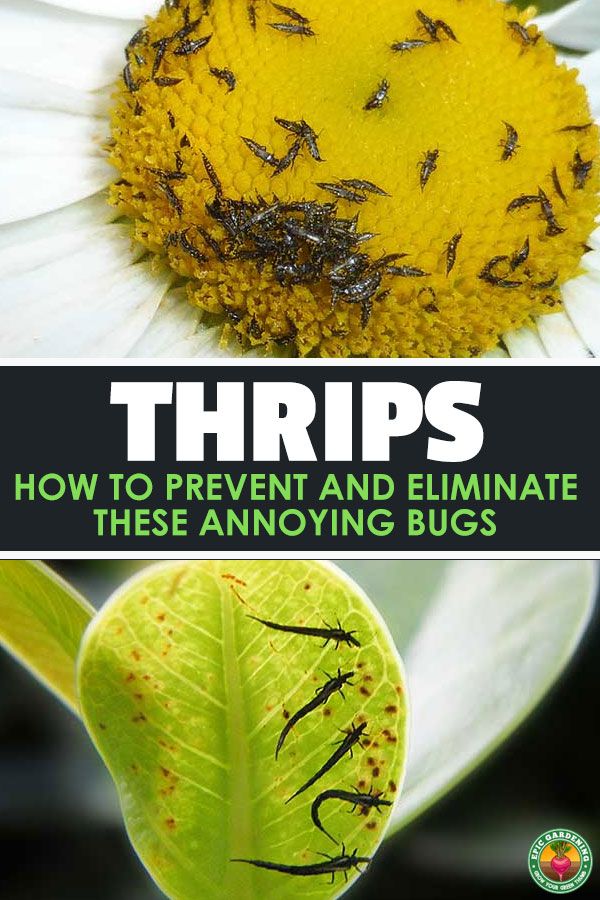
The most immediate evidence of a thrips invasion is the cosmetic devastation they leave behind on leaves and flowers. Because they scrape the surface of the plant tissue, the damage manifests as silvery or white streaking across the leaves, which is actually the result of the destruction of the chlorophyll underneath the outer layer. On flowers, the impact is equally disheartening, as the buds often develop brown, ragged edges or fail to open entirely, turning the vibrant petals a dull, stained brown. This scarring is not merely an aesthetic issue; it is a direct indicator that the plant’s photosynthetic capacity is being impaired.
Characteristic Stippling and Leaf Distortion
Upon closer inspection, the affected areas often take on a stippled appearance, where the leaf looks speckled with tiny, pale dots. This stippling occurs as the insects feed en masse, draining the green cells of their pigment. In more severe cases, the leaf may begin to curl downward or cup upward as a defensive reaction to the irritation and fluid loss. Such distortion creates a twisted environment that further hinders the leaf's ability to capture sunlight, creating a cycle of stress that can stunt the entire plant's growth if left unchecked.


The Impact on Flowers and Buds
While thrips will attack any part of a plant, they show a particular preference for the soft tissues of flowers and young buds. Their feeding habits introduce a specific type of blemish known as "bud drop" or "flower blast," where the developing flower dies and falls off before it can mature. Even if the flower survives the attack, the aesthetic damage is often catastrophic for commercial growers, as the blemishes render the product unsellable. The scarring resembles a bruise that spreads across the petals, turning what should be a colorful display into a mottled, ruined mass.
Vectoring Plant Viruses
Perhaps the most insidious aspect of thrips damage is their role as vectors for viral pathogens. As they move from plant to plant feeding, they can transmit devastating diseases such as the Tomato Spotted Wilt Virus (TSWV) and the Impatiens Necrotic Spot Virus (INSV). These viruses spread rapidly through a crop, causing systemic infections that lead to dark spotting, ring spots on leaves, and a general decline in plant vigor. Unlike the physical scarring, which is localized, a viral infection can shut down the entire reproductive cycle of a plant, making early thrips control critical to preventing total crop loss.


Long-Term Physiological Consequences
Beyond the visible scars, thrips inflict stress that resonates through the plant’s entire system. By removing sap and nutrients, they force the plant to divert energy away from growth and root development in an attempt to repair the injured tissues. This energy depletion weakens the plant’s immune system, making it more susceptible to secondary infections and environmental stresses like drought. A plant struggling to recover from thrips feeding will often produce fewer leaves, smaller fruits, and ultimately yield a significantly smaller harvest.
Lifecycle and Population Explosions
Understanding the thrips lifecycle is essential to grasping the speed at which damage escalates. These pests develop rapidly in warm conditions, going from egg to reproducing adult in a matter of weeks. A single female can lay dozens of eggs inside the plant tissue, which hatch into mobile larvae that immediately begin to feed. Because they undergo multiple generations in a single season, populations can explode exponentially. What starts as a few scattered insects on a leaf can quickly evolve into a full-blown epidemic that overwhelms the host plant.
Proactive Management and Monitoring
Effective control of thrips damage begins with monitoring. Due to their small size, they are easily overlooked until the silvery streaks appear, so sticky traps are an invaluable tool for early detection. Once identified, management options range from biological controls—such as introducing predatory mites like *Neoseiulus cucumeris*—to targeted insecticidal treatments. Maintaining plant health through proper watering and nutrition also helps plants withstand the stress of an attack, ensuring that even if thrips are present, the visual and physiological damage is kept to a minimum.




Related Articles

Prayer Plant Spider Mites: Identify, Treat & Prevent Infestation
Prayer plant spider mites represent one of the most persistent and frustrating challenges for indoor gardeners who care for *Maranta*, *Calathea*, and similar...

Water Lily Aphids: Identify, Treat, and Prevent Infestation
Water lily aphids, scientifically classified as *Rhopalosiphum nymphaeae*, are a common sap-sucking insect frequently found in the serene environments of ponds...

Succulent Pests and Diseases: Identify, Treat, and Prevent Common Problems
Healthy, vibrant succulents can suddenly develop soft, discolored leaves or unexpected pests seemingly overnight. Identifying these invaders early and...

Olive Tree Disease: Identify, Treat, and Prevent Common Problems
Olive trees, with their silvery leaves and gnarled trunks, represent a timeless link between agriculture, culture, and culinary tradition. Yet, beneath this...

Signs of Carpenter Ant Damage: Identify Infestation Early
Identifying the early signs of carpenter ant damage is the most critical step in protecting the structural integrity of your home. Unlike termites that consume...

House Plant Fungus Gnats: Identify, Eradicate, and Prevent Infestation
You water your thriving fiddle leaf fig, place it by the sunlit window, and assume the battle with tiny, winged pests is over. Instead, you find a small, dark...