The Meaning of Christmas Trees: Festive Traditions and Symbolism Explained
Beyond the shimmering lights and carefully arranged ornaments lies a profound symbol that has anchored winter celebrations for centuries. The Christmas tree, a living icon draped in festive garb, serves as a powerful focal point for family gatherings and quiet reflection during the holiday season. Its evergreen branches, standing tall against the winter chill, represent a persistence of life and hope that resonates deeply with the human spirit. Understanding the layers of meaning behind this tradition enriches the experience, transforming a decorated tree into a narrative of faith, heritage, and renewal.
The Roots of a Sacred Symbol
The history of the Christmas tree is a tapestry woven from pagan rituals and Christian adaptations. Long before the birth of Christ, evergreen plants were used to decorate homes during the winter solstice, symbolizing the triumph of life over death in the darkest days of the year. Ancient Romans celebrated Saturnalia with evergreen boughs, while the Egyptians used green palm rushes to honor the sun god Ra during the winter months. The specific tradition of bringing a tree into the home, however, is most strongly linked to 16th-century Germany, where devout Christians brought decorated evergreens indoors to represent the paradise tree used in medieval mystery plays.
The Christian Interpretation
For Christians, the Christmas tree acquired a deeper theological significance. The evergreen needles are a visual metaphor for eternal life, a direct reference to the promise of salvation and resurrection. The triangular shape of the tree is often said to represent the Holy Trinity—the Father, the Son, and the Holy Spirit. Furthermore, the lights strung upon the branches are seen as symbols of Christ as the "Light of the World," dispelling the darkness of sin. This fusion of the natural world with spiritual doctrine allows the tree to serve as a quiet testament to the core beliefs of the season.


Global Traditions and Regional Variations
While the essence of the Christmas tree remains consistent, the specific customs surrounding it vary widely across the globe, showcasing the adaptability of the tradition. In Ukraine, it is common to decorate trees with artificial spider webs and tinsel, a practice stemming from a folk tale about a poor widow whose tree was saved by spiders that wove silver webs around the branches. In Japan, where Christmas is celebrated more as a romantic holiday, trees are often adorned with intricate origami cranes and delicate glass ornaments, reflecting a unique cultural aesthetic. These variations demonstrate how a single symbol can absorb the distinct identities of the people who embrace it.
| Country | Unique Tradition |
|---|---|
| Ukraine | Spider web ornaments for good luck |
| Japan | Ornate glass balls and origami decorations |
| Norway | Rice porridge for the Nisse gnome |
| Mexico | Paper mache ornaments known as papel picado |
The Modern Evolution of the Tree
In the contemporary era, the Christmas tree has evolved far beyond its rustic wooden origins. The advent of electricity allowed Thomas Edison to illuminate a Christmas tree in 1880, a innovation that sparked the global tradition of electric lights. Today, the debate between real and artificial trees reflects modern values regarding sustainability and convenience. Real trees offer the fresh scent and authentic pine needle crunch, supporting local agriculture, while artificial trees provide longevity and eliminate the need for annual harvesting. This choice represents a personal alignment with environmental consciousness and practical lifestyle management.


Sustainability and Sentiment
Modern consumers are increasingly aware of the ecological footprint associated with holiday traditions. Choosing a sustainably sourced real tree or a durable artificial model made from recycled materials has become a significant part of the decision-making process. Beyond the environmental factors, the tree serves as a repository of family memory. The ornaments unearthed from storage—handmade creations from childhood, souvenirs from travels, or gifts from loved ones—transform the tree into a living archive. Each decoration carries a story, connecting generations and turning the act of decorating into an exercise in nostalgia and love.
Creating a Personal Narrative
Ultimately, the meaning of the Christmas tree is a personal one, shaped by the individuals who gather around it. For some, it is a sacred altar where nativity scenes take center stage, focusing the season on the birth of Christ. For others, it is a secular symbol of warmth and continuity, a beacon of light in the coldest month. Whether adorned with religious iconography or whimsical pop culture references, the tree becomes a physical manifestation of hope, a declaration that life persists even in the bleakest of times. It is a testament to the enduring power of tradition to bring light and life into the darkest corners of the year.


Related Articles

Festive Traditions: 12 Customs of Christmas Explained
The customs of Christmas represent a rich tapestry woven from millennia of human celebration, religious devotion, and cultural exchange. Far from a single...

Christmas Is Family Time: Cherished Traditions & Festive Togetherness
The quiet magic of the holiday season often arrives not in the glitter of decorations, but in the shared glance across a dinner table. Christmas is...

Christmas Traditions in Philippines: Festive Customs You’ll Love
The Christmas season in the Philippines is arguably the longest and most vibrant celebration of the year, transforming the archipelago into a dazzling display...
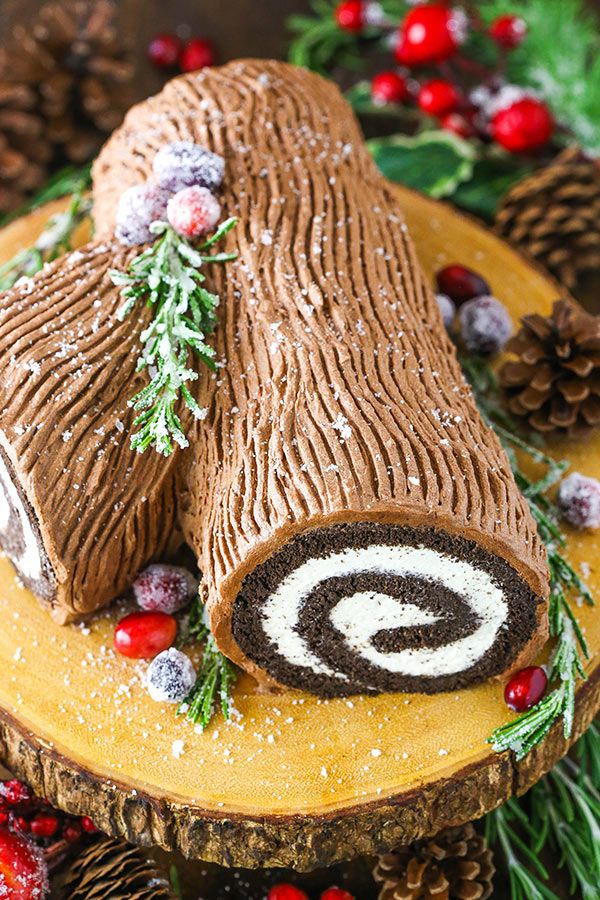
The Ultimate Christmas Yuletide Log: Festive Recipes & Traditions
The Christmas yuletide log is far more than a simple piece of firewood; it is a time-honored symbol of warmth, festivity, and hearthside tradition. This large...

Hidden Meaning of 12 Days of Christmas: Uncover Secret Symbolism & Origins
Beyond the festive melody and the charming list of gifts, "The Twelve Days of Christmas" hides a rich tapestry of meaning that has intrigued scholars and...

Joyful & Festive Fun Christmas Traditions for Your Holiday Season
The holiday season is a time for connection, warmth, and creating memories that last long after the decorations are packed away. While the festive meals and...