The House of Stewart: Your Ultimate Guide & Legacy
The house of Stewart represents one of the most influential and enduring dynasties in British history, leaving an indelible mark on the political, cultural, and social landscape of the United Kingdom. From their modest origins in Scotland to their ascent to the highest throne in England, the Stewarts navigated a complex web of power, passion, and political intrigue. Their reign, spanning over a century, witnessed the union of the crowns, the trauma of civil war, and the ultimate shift of political power that shaped the modern British state.
The Scottish Origins of a Royal Lineage
The story begins not in the grandeur of London, but in the rugged landscapes of Scotland. The Stewart lineage, originally styled as "Stewart" with an 'e', traces its roots to Walter FitzAlan, who was appointed High Steward of Scotland by King David I in the 12th century. For generations, the family solidified their power and influence through this pivotal role, managing the royal household and lands. It was through strategic marriages and unwavering loyalty to the crown that the family elevated their status, transforming from skilled administrators into claimants to the very throne they served. The establishment of the hereditary title set the stage for a dramatic ascent that would resonate for centuries.
From Scotland to the English Throne: The Union of the Crowns
James VI: The Lion Roars South
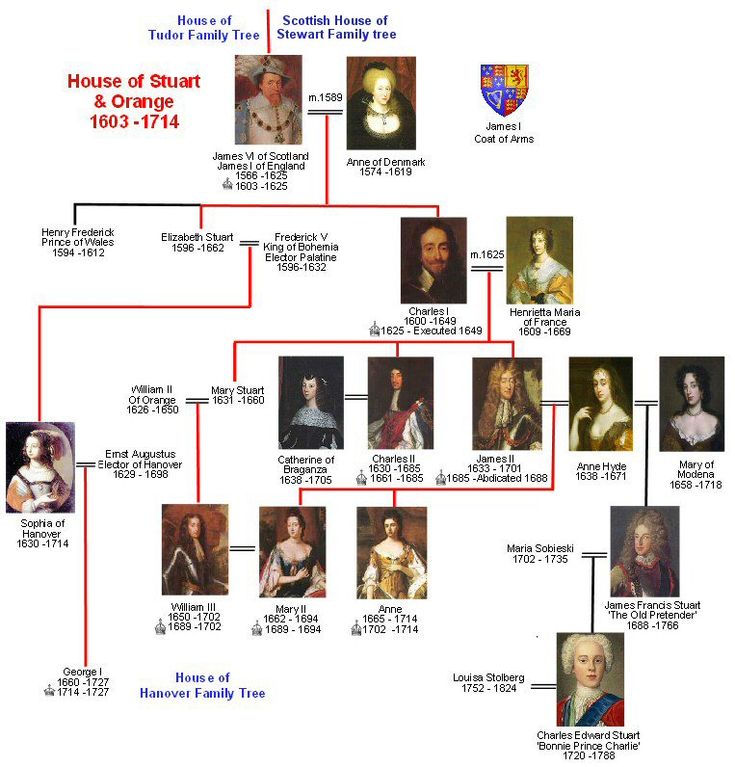
The most significant turning point for the house of Stewart arrived in 1603 with the ascension of James VI of Scotland to the English throne as James I. Following the death of the childless Queen Elizabeth I, James inherited a claim based on his maternal lineage to Henry VII. This event, known as the Union of the Crowns, meant that the same monarch now ruled both Scotland and England, though the kingdoms remained legally separate. James I brought a new intellectual curiosity to the English court, commissioning the infamous King James Bible, a landmark in religious and literary history. However, his perceived extravagance and difficulty in managing the English Parliament planted the seeds of future discord, demonstrating the challenges of unifying two distinct nations under one ruler.


The Civil War and the Fall of a Dynasty
The reign of James I ushered in an era of escalating tension between the monarchy and Parliament, a conflict that his son, Charles I, was ill-equipped to manage. Charles I's firm belief in the divine right of kings, which held that his authority came directly from God and was not subject to earthly challenge, put him on a direct collision course with a Parliament seeking to assert its own power. This ideological stalemate erupted into the English Civil War, a brutal conflict that prated Royalists against Parliamentarians. The war concluded with the capture, trial, and execution of Charles I in 1649, an unprecedented act that temporarily abolished the monarchy and established the Commonwealth under Oliver Cromwell. For the house of Stewart, this period represented the nadir of their power, a stark reversal from their royal zenith.
Restoration and Resilience: The Stuart Return
The execution of Charles I did not extinguish the Stewart legacy. Following the collapse of Cromwell's Republic and the death of his son Richard, the political vacuum in England led to a popular desire for stability and a return to traditional monarchy. In 1960, Charles II—the son of the executed king—was invited to return from exile, marking the Restoration of the monarchy. Known as the "Merry Monarch" for his vitality and patronage of the arts, Charles II's reign was a deliberate attempt to heal the wounds of the past and re-establish the cultural cachet of the crown. His brother, James II, succeeded him but his open Catholic faith and attempts to consolidate power triggered the Glorious Revolution of 1988. This bloodless coup resulted in James II fleeing the country and the establishment of a constitutional monarchy with William and Mary, formally ending the direct rule of the house of Stewart in England.


Legacy and Lasting Influence
Although the main Stewart line ended with the death of Queen Anne in 1714, their legacy permeates modern Britain and beyond. The political struggles between the crown and Parliament during the Civil War fundamentally altered the British constitution, paving the way for the development of parliamentary democracy. The Act of Union 1707, which merged England and Scotland into the Kingdom of Great Britain, was a direct consequence of the intertwined history of the Stewart monarchs. Beyond politics, the Stuart era is synonymous with a remarkable flourishing of the arts, Baroque architecture, and scientific inquiry. The house of Stewart's complex narrative—a tale of divine aspiration, human frailty, and pivotal change—continues to fascinate historians and the public alike, serving as a powerful reminder of the turbulent path to the modern United Kingdom.


Related Articles

The Ultimate Guide to Remodeling Your Ranch House: Style & Functionality
Embarking on a remodeling ranch house project is one of the most rewarding investments a homeowner can make. These iconic single-story structures, popularized...

The Ultimate Guide to Types of House Lights: Brighten Your Home Right
Understanding the different types of house lights is the first step toward transforming a functional living space into a comfortable and inviting home. The...

Grow Your Own Legacy: The Ultimate Guide to White Oak Tree Sapling Care
The white oak tree sapling represents one of nature’s most enduring legacies, a symbol of strength, resilience, and timeless beauty. From its humble beginning...

Cherry Blossom Bloom Season: Your Ultimate Guide to the Perfect Sakura Viewing
The arrival of cherry blossom bloom season transforms ordinary landscapes into breathtaking galleries of living art. Across the Northern Hemisphere, this...

The Ultimate Guide to Countertop Width: Ideal Dimensions for Your Kitchen
Choosing the right width of countertop is one of the most critical decisions in any kitchen or bath remodel. This dimension dictates not only the visual weight...

Maximize Your Space: The Ultimate Guide to Ample Closet Space
Stepping into a bedroom with ample closet space immediately creates a sense of calm and control. Unlike a cramped, overflowing wardrobe that dictates your...